
The Best Hiking Trails Across South America
South America’s top hiking trails follow the legendary Qhapaq Ñan spanning 30,000+ kilometers from Colombia to Argentina. These trails offer unmatched diversity—Ecuador’s volcanic landscapes, Peru’s iconic Machu Picchu paths, Bolivia’s high-altitude adventures, and Chile’s dramatic terrain.
Peru: Heart of South American Trekking
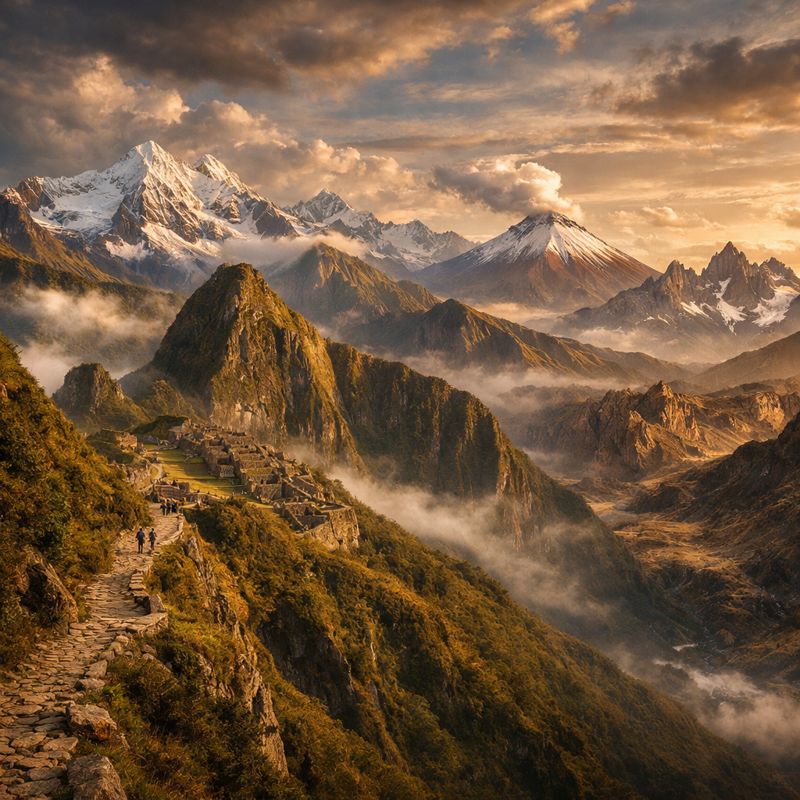
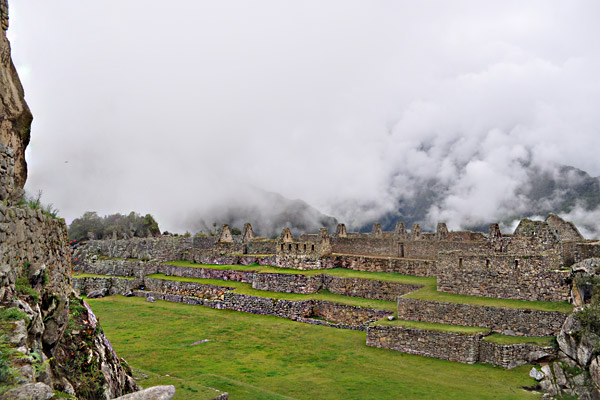
Peru contains the most celebrated hiking trails including the world-famous Inca Trail to Machu Picchu, the challenging Salkantay Trek, and the remote Choquequirao route. These trails showcase the finest Inca engineering while traversing cloud forests, high passes, and archaeological wonders.
Beyond Peru: Continental Trail Diversity
The Qhapaq Ñan extends across South America. Ecuador’s volcanic trails circle Cotopaxi. Bolivia’s Altiplano routes reach extreme elevations. Colombia’s northern segments reveal pre-Inca cultures. Chile and Argentina’s southern extensions approach sub-Antarctic wilderness.
UNESCO Heritage: World-Class Trail Standards
Inscribed as a UNESCO World Heritage Site in 2014, the Qhapaq Ñan represents humanity’s most ambitious ancient road network. The 137 protected sites across six countries preserve engineering marvels—stone staircases, suspension bridges, and mountain tunnels—making these top hiking trails historically significant.