
Inca Trail Reservations

The Best Alternative Hiking Route to Machu Picchu

Salkantay Trek

Duration

Difficulty

Challenging

Group Size

Price From

$ 639 USD

per person

4.8

From 6589 reviews

Year-round (best April-November), Inca Trail closed February

Trek Highlights

Experience Peru’s most dramatic alternative trek to Machu Picchu. The 5-day Salkantay Trek takes you beneath towering glaciers at 4,650m, through pristine cloud forests rich with orchids and hummingbirds, and culminates at the ancient Inca citadel. Named one of the world’s top 25 treks by National Geographic Adventure, this route offers fewer crowds and more diverse ecosystems than the Classic Inca Trail.

Salkantay Mountain & High Pass

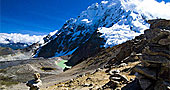
Cross the dramatic Salkantay Pass at 4,650m beneath the sacred snow-capped peak (6,271m), experiencing thin-air exhilaration

Humantay Lake Sacred Lagoon

Witness the stunning turquoise glacial lake at 4,200m, surrounded by towering Andean peaks and Inca spiritual energy

Diverse Ecosystem Journey

Trek through five distinct climate zones from alpine tundra to cloud forest to tropical jungle in just 5 days

Llactapata Ruins Viewpoint

Discover the rarely visited Inca site with spectacular views of Machu Picchu across the valley

Expert Mountain Guides

Professional certified guides with wilderness first aid training and deep knowledge of Andean ecology and Inca history

Committed to Conservation

5% of your trip cost is donated to the Himalayan Trust, supporting environmental conservation efforts and local community development in the Khumbu region.

“The best alternative hiking route to Machu Picchu”

You will traverse one of the most dramatic scenario in the Andes Mountains of Peru.

check all available options: https://salkantay.org

Frequently Asked Questions

The Salkantay Trek is rated Challenging, similar to the Classic Inca Trail but with higher altitude. The main difficulty is Day 2’s crossing of Salkantay Pass at 4,650m (300m higher than Dead Woman’s Pass on the Inca Trail). However, the Salkantay route has better-established campsites and more gradual ascents overall. Good physical fitness and 2 days acclimatization in Cusco (3,400m) are essential. Most trekkers in reasonable shape complete it successfully.

The best months are April through November (Peru’s dry season). May-September offers the clearest weather with minimal rain, perfect for mountain photography and comfortable camping. The shoulder months (April, October-November) have fewer trekkers and occasional afternoon showers. December-March is the rainy season with cloudy conditions, muddy trails, and potential avalanche risk at high passes, though some operators still run treks. Unlike the Inca Trail, the Salkantay route never closes.

No government permit is required for the Salkantay Trek itself, making it more flexible than the Classic Inca Trail. However, you do need a Machu Picchu entrance ticket, which is included in your trek package. We recommend booking 2-3 months ahead during peak season to secure your preferred dates and hotel category in Aguas Calientes. Last-minute bookings (within 2 weeks) are usually possible in low season.

Essential items include: broken-in hiking boots with ankle support, warm sleeping bag rated to -10°C (or rent ours for $25), layered clothing for temperatures ranging from -5°C at the pass to 25°C in cloud forest, rain jacket and pants, sun protection (hat, sunglasses, SPF 50+ sunscreen), headlamp with extra batteries, 2-3 liter water capacity, personal medications including altitude pills, and trekking poles for knee protection on descents. Horses carry camping gear; you hike with a daypack containing 7kg maximum personal items.

Yes, altitude is significant but manageable with proper acclimatization. You’ll reach 4,650m at Salkantay Pass on Day 2. We strongly recommend spending 2-3 days in Cusco (3,400m) before starting the trek. Symptoms like headache, nausea, and shortness of breath are common above 4,000m. Stay well hydrated, avoid alcohol, trek slowly, and consider bringing Diamox (acetazolamide) prescribed by your doctor. Our guides carry oxygen and are trained in altitude illness recognition and response. Descending quickly is the best treatment.

While technically possible, we strongly advise against independent trekking for safety and environmental reasons. The route crosses remote high-altitude terrain where weather can change rapidly, trails can be unclear, and emergencies require expert response. Our experienced guides provide navigation, altitude illness monitoring, cultural interpretation at archaeological sites, meal preparation, and emergency evacuation coordination. They also ensure Leave No Trace principles are followed, protecting the fragile ecosystems you’ll traverse. The investment in a guided trek significantly enhances safety, comfort, and cultural understanding.