
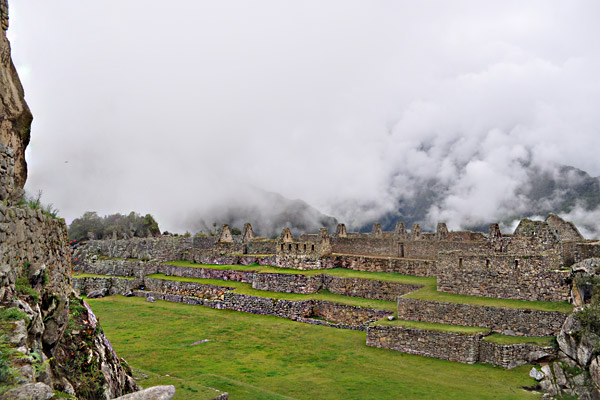
Essential Peru Travel Information
Planning a journey to Peru requires understanding unique regulations, cultural considerations, and practical logistics that differ significantly from typical travel destinations. From permit requirements for the Inca Trail to altitude acclimatization strategies and cultural etiquette, comprehensive preparation ensures a safe, respectful, and enriching experience. This guide provides essential information to help travelers navigate Peru’s distinctive requirements while maximizing their adventure in the Andes.
Permit Requirements & Regulations
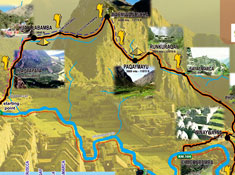
The Classic Inca Trail to Machu Picchu requires advance permits limited to 500 people daily (including guides and porters), making booking 5-6 months ahead essential during peak season. Permits are non-transferable and require exact passport information. Alternative treks like Salkantay or Lares don’t require permits but still benefit from early booking for quality guides. All visitors to Machu Picchu need tickets purchased online, with morning and afternoon time slots. Additional permits may be required for Huayna Picchu or Montana Machu Picchu climbs.
Best Time to Visit & Climate Considerations
Peru’s dry season (May-September) offers the most reliable weather for trekking, with clear days and cold nights at altitude. The wettest months (January-March) see trail closures and challenging conditions, though landscapes are lush and green. Shoulder seasons (April and October) provide excellent compromise with fewer crowds and decent weather. Cusco sits at 3,400 meters elevation, requiring 2-3 days acclimatization before high-altitude activities. Temperature variations can exceed 30°C between day and night, necessitating versatile layered clothing.
Cultural Preparation & Responsible Travel
Learning basic Spanish phrases and Quechua greetings demonstrates respect for local culture and enhances interactions with communities. Understanding Andean cosmovision, particularly the sacred nature of mountains (Apus) and Pachamama (Mother Earth), provides context for cultural practices encountered. Dress modestly in rural communities, always ask permission before photographing people, and participate respectfully in any ceremonies. Supporting local economies through ethical purchases of handicrafts directly from artisans and choosing locally-owned services ensures tourism benefits reach communities maintaining this extraordinary cultural landscape.