
Cusco travel guide: what to do and where to stay
What Is Cusco?
Cusco is a UNESCO World Heritage city in the Peruvian Andes at 3,400 meters (11,150 feet) above sea level. It served as the capital of the Inca Empire from the 12th century until the Spanish conquest in 1533. Today, Cusco is a city of roughly 450,000 people and the primary gateway to Machu Picchu, the Sacred Valley, and the Inca Trail. Its historic center blends Inca stone foundations with Spanish colonial architecture, and it remains the cultural heart of Peru’s indigenous Quechua-speaking communities.
Why Cusco Is Peru’s Must-Visit Destination
The first thing you notice isn’t the ancient walls or the mountain backdrop. It’s the light.
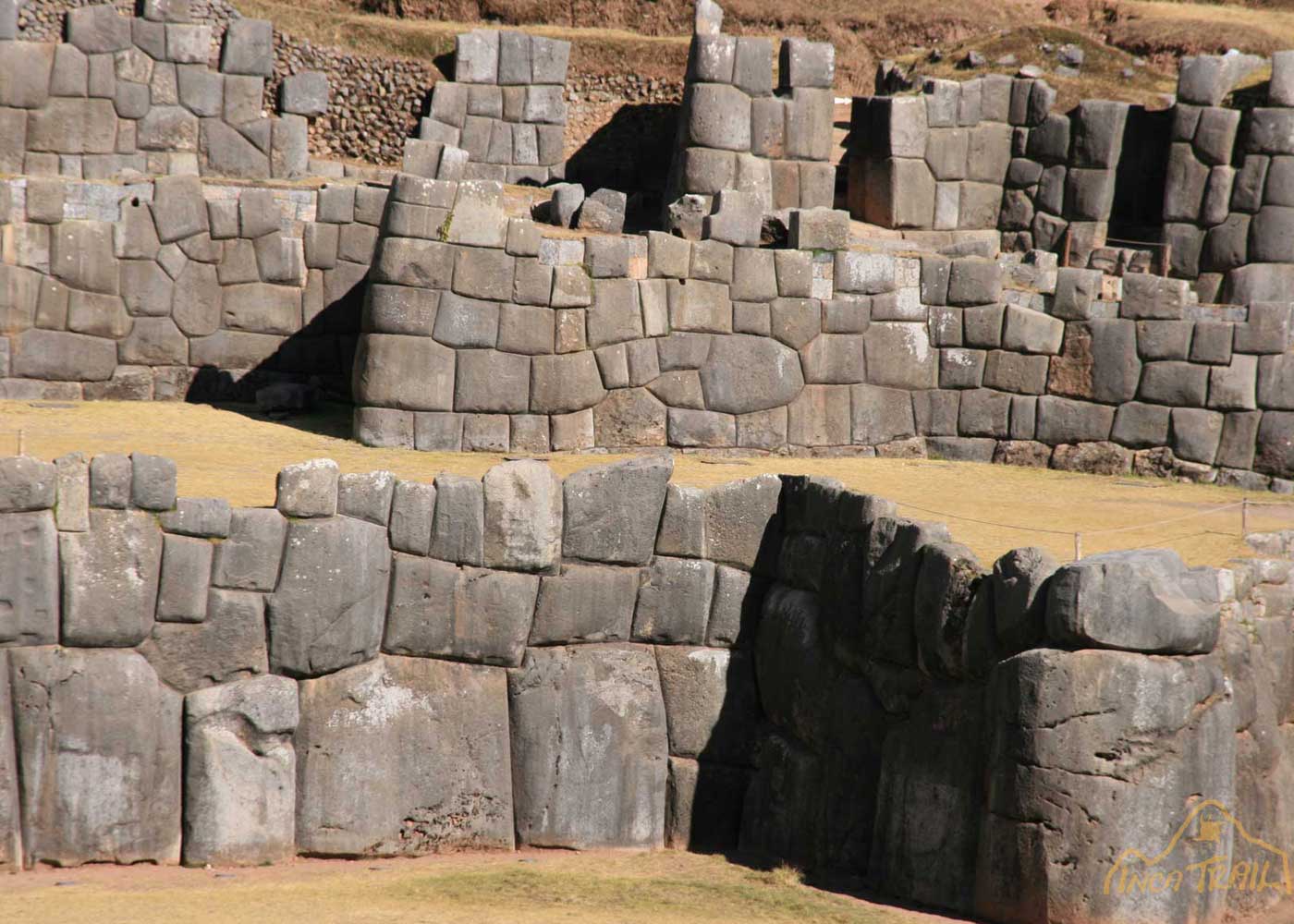
At 3,400 meters above sea level, the Andean sun cuts through thin atmosphere with an intensity that makes colors vibrate. The terracotta rooftops glow. The whitewashed colonial buildings shimmer. And the massive Inca stones, fitted together without mortar over 500 years ago, catch shadows that seem to shift as you watch.
Cusco defies simple description. It’s the former capital of the largest empire in pre-Columbian America. It’s a UNESCO World Heritage city (inscribed in 1983, per UNESCO World Heritage List) where Catholic churches rise from Inca temple foundations. It’s a modern Peruvian city of 450,000 people where Quechua is still spoken in the markets and traditional textiles are woven using techniques unchanged for centuries.
For most travelers, Cusco serves as the gateway to Machu Picchu and the famous Inca Trail. But reducing Cusco to a staging area misses the point. This city deserves your time. The cobblestone streets of San Blas, the chaos of San Pedro Market at dawn, the impossible precision of the 12-angled stone, the view from Sacsayhuaman as sunset paints the valley gold – these experiences rival anything you’ll find at the ancient citadel.
This guide draws on our two decades of operating tours from Cusco. We’ve welcomed thousands of travelers, watched them adapt to altitude, helped them find their way around neighborhoods, and heard their feedback on what worked and what didn’t. Consider this your handbook from people who live and work here, not just people who visited once.
We’ll cover everything you need: acclimatization (critical and often underestimated), where to stay, what to see, how to eat, and how to get around. By the end, you’ll have a practical plan for making the most of your Cusco visit.
From Inca Empire to Modern Marvel: Cusco’s Living History
Understanding where you’re walking transforms the experience from tourism into time travel.
The Navel of the World
According to Inca origin mythology, the god Viracocha sent his children Manco Capac and Mama Ocllo from Lake Titicaca to find the center of the world. They wandered the highlands until Manco’s golden staff sank easily into the earth at a fertile valley surrounded by mountains. He named the place Qosqo, meaning “navel” in Quechua.
That founding myth, placed around 1100 AD, marked the beginning of what would become the Inca Empire. Over four centuries, Cusco grew from a small settlement to the capital of Tawantinsuyu – “The Four Regions Together” – an empire spanning modern-day Peru, Ecuador, Bolivia, Chile, Argentina, and Colombia.
At its peak under emperor Pachacuti (who also built Machu Picchu), Cusco’s population exceeded 200,000, according to estimates by historian John Hemming in The Conquest of the Incas. The city was laid out in the shape of a puma, with Sacsayhuaman fortress forming the head and the Tullumayo and Huatanay rivers forming the tail. Streets were paved. Water flowed through stone channels. Temples were covered in gold.
Spanish Conquest and Colonial Legacy
Francisco Pizarro’s arrival in 1533 ended Inca rule but didn’t destroy Cusco. The Spanish recognized the city’s strategic and symbolic importance. Rather than raze it, they built upon it – literally.
The Church of Santo Domingo rises from the foundations of Qorikancha, the Temple of the Sun. The Cathedral dominates one side of the Plaza de Armas, built using stones taken from Sacsayhuaman. Throughout the historic center, you’ll see this fusion: colonial walls sitting atop Inca foundations, Christian crosses mounted above doorways framed by precisely cut Inca stonework.
The 1650 earthquake devastated much of the colonial city, but the Inca foundations largely survived. Rebuilding efforts created the baroque churches and plazas visible today. This layered architecture – Inca base, colonial superstructure, modern life flowing through both – defines Cusco’s unique character.
Cusco Today
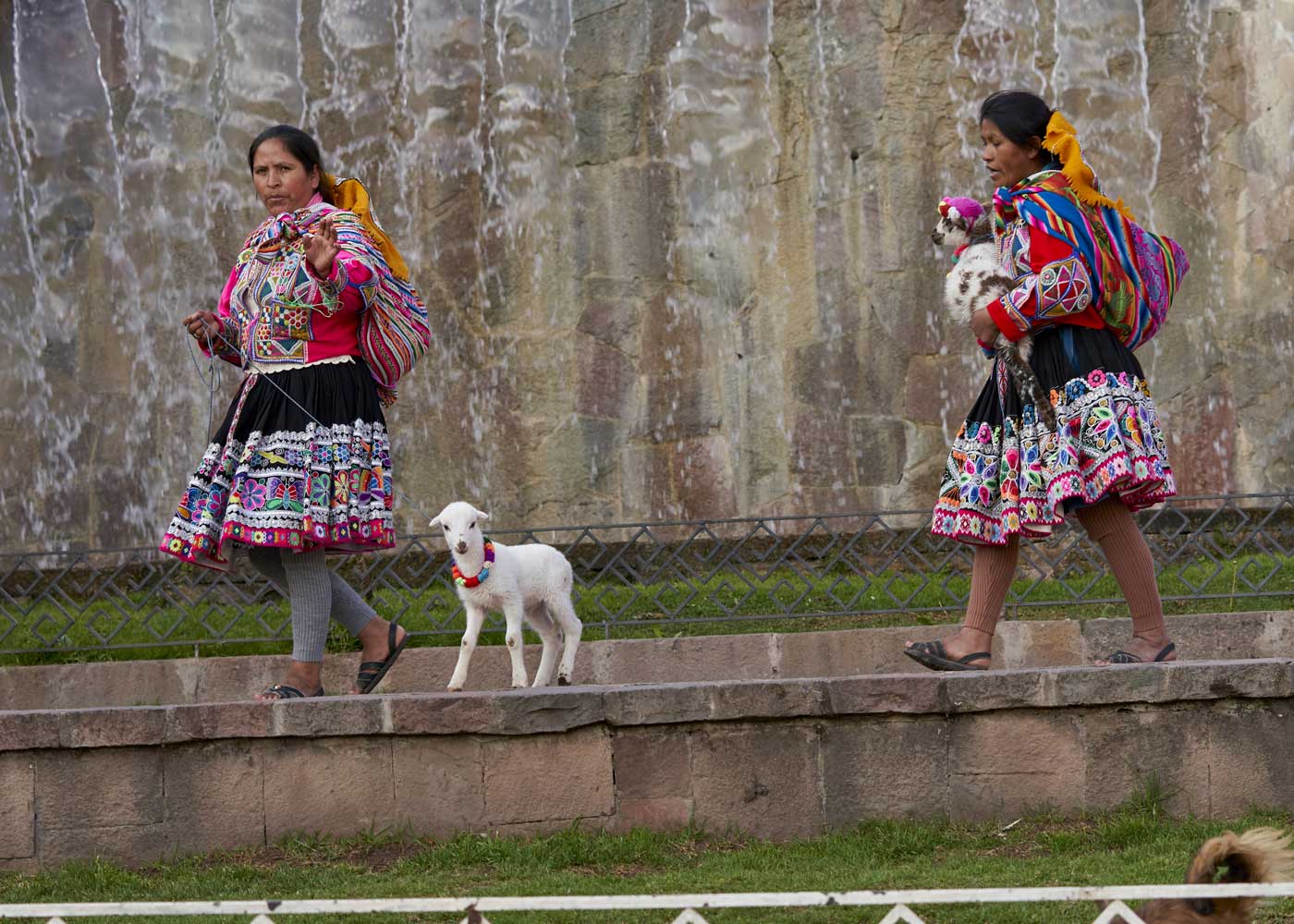
Walk through San Pedro Market and you’ll hear Quechua alongside Spanish. Watch women in traditional dress spinning alpaca wool using drop spindles unchanged for centuries. Taste dishes that blend Inca ingredients (quinoa, potatoes, guinea pig) with Spanish techniques.
Every wall in Cusco’s historic center tells two stories at once: the Inca engineers who shaped these stones, and the Spanish builders who placed their churches on top. Walking here means walking through both civilizations at the same time.
Tourism drives much of Cusco’s economy, but this remains a living city with its own rhythms. University students crowd cafes. Families gather in plazas on Sunday evenings. Religious festivals fill streets with processions. The past isn’t a museum exhibit here – it’s infrastructure for daily life.
10 Things to Do in Cusco That Define Your Visit
Plaza de Armas
Start here. Every visitor does, and for good reason.
The main square sits on what was once Huacaypata, the Inca ceremonial center where festivals, military parades, and religious observances took place. Today it’s anchored by the Cathedral (built 1559-1654) and the Church of La Compania, both stunning examples of colonial baroque architecture.
The best time to visit is sunset, when the low sun illuminates the surrounding buildings and locals gather on benches as the day cools. Grab a seat at one of the second-floor restaurants overlooking the plaza, order a pisco sour, and watch the light change.
Practical info: Free to enter plaza; Cathedral entry $7 or included in Boleto Religioso ($15); allow 1-2 hours including cathedral interior.
Sacsayhuaman Fortress
The scale defies logic.
Perched above Cusco, this ceremonial complex features three parallel walls made from limestone blocks weighing up to 200 tons. The largest stones stand over 8 meters tall. The Inca had no iron tools, no wheels, no draft animals. How they quarried, transported, and fitted these megaliths remains partially mysterious.
The site hosted Inti Raymi, the Festival of the Sun, during Inca times – and still does every June 24th. Walking among these stones, running your hand along joints so precise you can’t fit a knife blade between them, you begin to understand why Spanish conquistadors assumed giants or demons built them.
Practical info: 20-minute taxi from plaza ($3-5); entry with Boleto Turistico ($45 for 10 sites) or individual ticket ($15); allow 2 hours; go early morning for best light and fewer crowds.
Qorikancha (Temple of the Sun)
The most sacred site in the Inca world has had a church built on top of it.
Qorikancha (“Golden Courtyard”) was the empire’s religious center. Walls were covered in 700 sheets of gold. Life-size gold statues of plants, animals, and people filled the gardens. A golden sun disc reflected light into chambers designed for specific solstice alignments.
The Spanish stripped the gold, but the Inca stonework remains beneath the Church of Santo Domingo. You can walk through chambers where priests once performed rituals, seeing both the original curved Inca walls (earthquake-resistant) and the colonial additions (which crumbled in 1650 and again in 1950 while the Inca foundations stood firm).
Practical info: Entry $5 (not included in Boleto Turistico); allow 1 hour; best combined with walking route through historic center.
San Pedro Market
This is where Cusco shops, eats, and gossips.
The central market sprawls across an entire block near the train station. Vendors sell everything: potatoes in dozens of varieties, fresh cheese, jungle fruits, medicinal herbs, whole pig heads, and a dizzying selection of juices blended on request.
For visitors, the best experiences are breakfast and people-watching. Head to the juice ladies for a mixed fruit juice ($1) or try a bowl of soup at one of the lunch counters. Walk the aisles slowly, camera ready, watching local commerce in action.
Practical info: Free; best visited before 10am; watch your belongings (pickpockets active); located 10-minute walk from plaza.
San Blas Neighborhood
The artisan quarter climbs steep cobblestone streets above the main plaza.
San Blas draws artists, gallery owners, and travelers seeking boutique accommodations and quality restaurants. The neighborhood centers on a small plaza with a 16th-century church featuring an intricately carved wooden pulpit said to be made from a single cedar trunk.
Wander the steep streets (remember: altitude makes climbing harder), ducking into galleries and workshops. This is where you’ll find serious textile arts, ceramics, and jewelry – not the mass-produced souvenirs of the main plaza.
Practical info: Free to explore; 15-minute uphill walk from Plaza de Armas; best in late morning or late afternoon; combine with dinner at one of the neighborhood restaurants.
Museo Inka
The best single introduction to Inca civilization occupies a colonial mansion one block from the plaza.
Run by the National University, this museum displays mummies, ceramics, textiles, metalwork, and scale models explaining Inca engineering and agriculture. The courtyard often hosts weavers demonstrating traditional techniques – and selling their work at fair prices.
Practical info: Entry $3; allow 1.5 hours; good rainy-day option; limited English signage (consider guide).
Cristo Blanco and City Viewpoint
The white Christ statue overlooking Cusco provides the classic panoramic view.
Located on a hillside near Sacsayhuaman, Cristo Blanco offers the postcard shot: terracotta rooftops spreading across the valley floor, surrounding mountains rising beyond. The statue itself, an 8-meter-tall gift from Palestinian refugees in 1945, is less remarkable than the view.
Practical info: Free; combine with Sacsayhuaman visit; best at sunset; accessible by taxi or 30-minute uphill walk.
The 12-Angled Stone
One stone. Twelve perfectly fitted angles. Zero mortar.
The famous Hatun Rumiyoc stone sits in a wall along a narrow street, demonstrating Inca masonry at its most precise. Each of the twelve angles fits flush against neighboring stones. The technique made walls earthquake-resistant – this stone has survived multiple major quakes while colonial additions crumbled.
Practical info: Free; on Hatun Rumiyoc street; 5 minutes from plaza; brief photo stop rather than extended visit.
Rainbow Mountain Day Trip
Vinicunca, the “Mountain of Seven Colors,” offers landscapes unlike anywhere else on Earth.
The striped mountainside, colored by mineral deposits revealed after glacial retreat, sits at 5,036 meters – significantly higher than Cusco. The day trip involves a 3-hour drive each way and a moderate hike at extreme altitude.
Warning: Only attempt this after acclimatizing in Cusco for at least 3-4 days. The altitude is serious. Our detailed Rainbow Mountain guide covers preparation requirements.
Practical info: Day tours $80-150; leave Cusco 3am, return 6pm; extremely challenging if not acclimatized.
Free Walking Tours
Multiple operators offer tip-based walking tours departing from Plaza de Armas.
These 2-3 hour orientations cover historic center highlights with local guides sharing context you’d miss exploring alone. Quality varies, but most provide solid introductions. Tips of $10-15 per person are appropriate for good guides.
Practical info: Daily departures, usually 10am and 2pm; meet at designated plaza locations; book through hotels or show up.
Sacred Valley Excursions: Your Gateway to Peru’s Greatest Adventures
Cusco serves as the launching point for Peru’s most celebrated experiences. Understanding your options helps you plan efficiently.
Machu Picchu Day Trip
The ancient citadel can be visited in a single (long) day from Cusco.
Most day trips depart Cusco around 4am, transfer to Ollantaytambo, board trains to Aguas Calientes, bus up to Machu Picchu, explore for 3-4 hours, then reverse the journey – arriving back in Cusco around 9pm.
It works, but it’s exhausting. If time allows, consider overnighting in Aguas Calientes for a more relaxed experience with early morning entry.
Train options: Peru Rail and Inca Rail operate multiple service levels from budget ($60 round trip) to luxury ($500+ for the Hiram Bingham). Book well ahead for peak season.
Our complete Machu Picchu guide covers all logistics in detail.
Sacred Valley Circuit
A full-day tour hits the valley’s highlights: Pisac (market and ruins), Ollantaytambo (impressive Inca fortress), and often the Moray agricultural terraces and Maras salt mines.
The Sacred Valley sits lower than Cusco (2,800m vs 3,400m), making it excellent for acclimatization. Many travelers spend their first night or two in Urubamba or Ollantaytambo before moving to Cusco proper.
Tour cost: $40-80 for group tours; $150-250 for private.
Multi-Day Treks
Cusco is base camp for South America’s most iconic treks:
Inca Trail (4 days): The classic pilgrimage, entering Machu Picchu through the Sun Gate at dawn. Permits required and limited – book 4-6 months ahead for peak season. Our Inca Trail guide covers everything.
Salkantay Trek (5 days): No permits required, dramatic mountain scenery, ends at Machu Picchu via Aguas Calientes. Details in our Salkantay guide.
Lares Trek (4 days): Cultural focus through traditional Quechua communities, hot springs, less crowded than alternatives.
Choquequirao (4-5 days): Machu Picchu’s “sister city,” reached by only 30 visitors daily. For fit trekkers seeking solitude.
Choosing Your Adventure
| Trek | Days | Difficulty | Permits | Daily Traffic | Best For |
|---|---|---|---|---|---|
| Inca Trail | 4 | Moderate-Hard | Required | ~200 | History buffs, bucket-listers |
| Salkantay | 5 | Hard | Not required | ~50 | Scenery seekers, flexible planners |
| Lares | 4 | Moderate | Not required | ~20 | Cultural immersion |
| Choquequirao | 4-5 | Very Hard | Not required | ~30 | Adventure seekers |
Every trek requires acclimatization. Plan your Cusco time accordingly.
Beating Altitude Sickness: How to Acclimatize in Cusco at 3,400m
This section matters more than any other for your trip success.
Understanding High Altitude
Cusco sits at 3,400 meters (11,150 feet). For perspective:
- Denver, the “Mile High City”: 1,609m
- Highest point in UK: 1,345m
- Highest point in eastern US: 2,037m
At 3,400m, atmospheric pressure drops to roughly 65% of sea-level values, according to the Institute for Altitude Medicine. Each breath delivers less oxygen. Your body must adapt.
Most healthy travelers begin to feel altitude effects above 2,500 meters, and Cusco at 3,400 meters is where symptoms become hard to ignore. The biggest mistake visitors make is treating the first day like a normal travel day.
Everyone feels altitude to some degree. Fitness doesn’t protect you – in fact, very fit people sometimes suffer more because they expect to feel normal. Age, genetics, hydration status, and previous altitude exposure all influence individual responses.
Symptoms to Recognize
Mild (common, manageable):
- Headache
- Fatigue beyond normal tiredness
- Shortness of breath during light exertion
- Difficulty sleeping
- Reduced appetite
Moderate (monitor closely):
- Persistent headache not responding to ibuprofen
- Nausea or vomiting
- Dizziness
- Decreased coordination
Severe (seek medical attention immediately):
- Confusion or altered mental state
- Inability to walk straight
- Chest tightness or severe breathlessness at rest
- Blue-tinged lips or fingernails
- Persistent vomiting
Prevention Strategies That Work
1. Arrive Early
The most effective strategy: land in Cusco 48-72 hours before any strenuous activity. Do nothing taxing your first afternoon. Walk slowly. Rest.
2. Hydrate Aggressively
Drink 3-4 liters of water daily. Altitude increases respiration and urination, depleting fluids faster than normal. If your urine isn’t pale, you’re not drinking enough.
3. Avoid Alcohol Initially
Alcohol dehydrates you and intensifies altitude effects. One beer at altitude feels like two or three. Wait 24-48 hours before drinking, and keep it moderate.
4. Eat Light, Carb-Heavy Meals
Your digestive system slows at altitude. Heavy, fatty meals sit uncomfortably. Soups, rice, pasta, and bread digest easier. Eat smaller portions more frequently.
5. Walk Slowly
Resist the urge to hustle. Take stairs deliberately. Pause to admire views (genuinely – this isn’t weakness, it’s wisdom). Your body needs time to adapt with each elevation gain.
6. Consider the Sacred Valley First
Urubamba and Ollantaytambo sit at 2,800-2,900m. Spending your first 1-2 nights at lower altitude, then moving up to Cusco, helps many travelers acclimatize more comfortably.
7. Embrace Coca
Coca leaves have been used for altitude relief for thousands of years. Coca tea (mate de coca) is served in every hotel lobby and restaurant. It’s legal, mild, and genuinely helpful. Chewing coca leaves is more intense but equally traditional.
Medication Options
Diamox (Acetazolamide)
The most studied altitude medication. It works by increasing breathing rate and helping your kidneys remove bicarbonate, accelerating natural acclimatization.
- Requires prescription in most countries
- Start 24 hours before arriving at altitude
- Preventive dose: 125mg twice daily (250mg twice daily is the treatment dose)
- Side effects: Tingling in fingers/toes, frequent urination, altered taste (carbonated drinks taste flat)
- Discuss with your doctor before travel
Ibuprofen
Helps manage altitude headaches. Keep some handy.
Hotel Oxygen
Many mid-range and all luxury hotels provide supplemental oxygen for guests experiencing symptoms. Don’t hesitate to ask.
When to Seek Medical Help
Cusco has excellent medical facilities experienced with altitude cases. Seek help if:
- Symptoms worsen rather than improve after 24 hours
- You cannot keep water down
- You experience chest pain or severe breathlessness at rest
- You notice confusion or coordination problems in yourself or travel companions
Clinics can provide oxygen, stronger medications, and monitoring. In severe cases, descent to lower altitude (Lima, or Sacred Valley) provides rapid relief.
Best Neighborhoods and Hotels in Cusco for Every Budget
Where you stay shapes your experience. Choose based on priorities.
Neighborhood Comparison
| Area | Best For | Elevation | Character | Walk to Plaza |
|---|---|---|---|---|
| Centro | First-timers, convenience | 3,400m | Busy, touristy | 0-5 min |
| San Blas | Boutique seekers, foodies | 3,450m | Bohemian, artistic | 10-15 min |
| San Cristobal | Budget travelers | 3,500m | Local, residential | 15-20 min |
| Sacred Valley | Altitude-sensitive | 2,800m | Rural, peaceful | 1-2 hr drive |
Centro (Plaza de Armas area) puts you at the center of everything. Step outside and you’re in the main square. Restaurants, tour agencies, and attractions surround you. The tradeoff: noise, crowds, and higher prices.
San Blas appeals to travelers seeking character over convenience. The steep cobblestone streets host boutique hotels, galleries, and excellent restaurants. The uphill walk from the plaza becomes a feature, not a bug – you earn those views.
San Cristobal offers value. The neighborhood sits higher (meaning slightly more altitude challenge) but delivers authentic local atmosphere and budget-friendly guesthouses. The walk to the center passes Cristo Blanco viewpoint.
Sacred Valley (Urubamba, Ollantaytambo) makes sense for altitude-sensitive travelers. Sleep at 2,800m, day-trip to Cusco for sightseeing, move into the city once acclimatized. This approach works especially well before multi-day treks.
Budget Accommodations ($15-40/night)
Budget travelers find excellent hostels throughout the city:
- Pariwana Hostel: Social atmosphere, good common areas, free breakfast
- Milhouse Cusco: Party hostel reputation, central location, rooftop bar
- Loki Cusco: Backpacker institution, events, travel desk
- Wild Rover: Irish-owned, another party option
Private rooms in family guesthouses cluster in San Cristobal and outskirts, running $20-40 for basic but clean accommodations.
Mid-Range Hotels ($50-150/night)
This range delivers excellent value in Cusco:
- Tierra Viva Cusco Centro: Reliable chain, good locations, breakfast included
- Casa Andina Standard: Multiple properties, consistent quality
- Antigua Casona San Blas: Colonial courtyard, character property
- El Mercado Tunqui: Hip design hotel, excellent restaurant
Look for hotels advertising oxygen availability and heating – both matter at altitude.
Luxury Options ($200+/night)
Cusco’s luxury scene competes with any world capital:
- Belmond Palacio Nazarenas: Former convent, butler service, suites with private oxygen systems
- JW Marriott El Convento: Five-star reliability, central location, spa
- Inkaterra La Casona: Boutique intimacy, just 11 suites, colonial mansion
- Belmond Hotel Monasterio: Monastery converted to hotel, oxygen-enriched rooms, stunning courtyards
At this level, oxygen enrichment comes standard – reducing altitude symptoms noticeably.
Pre-Trek Accommodation Strategy
Planning a trek? Consider this approach:
- Arrival day: Stay near airport (optional) or transfer to Sacred Valley
- Days 1-2: Sacred Valley hotel for gentle acclimatization
- Day before trek: Move to Cusco, stay near pickup point (usually Plaza area)
- Post-trek: Treat yourself to an upgrade after days of camping
Zooming out from room rates, most travelers plan around an overall daily budget: roughly $30-50/day covers hostels, local food, and walking; $80-150/day covers 3-star hotels, restaurants, and tours; luxury trips exceed $300/day. Cusco remains affordable relative to comparable world destinations at every tier.
Cusco Restaurants: From Street Food to World-Class Dining
Peruvian cuisine ranks among the world’s best, and Cusco showcases regional Andean traditions alongside contemporary innovation.
Must-Try Peruvian Dishes
Cuy (Guinea Pig): The traditional Andean protein, roasted whole. It’s a cultural experience as much as culinary. Try it at Kusikuy (touristy but reliable) or Pachapapa (atmospheric San Blas courtyard).
Lomo Saltado: Stir-fried beef with onions, tomatoes, and fries over rice. The perfect example of Chifa (Chinese-Peruvian) influence. Available everywhere, quality varies.
Alpaca Steak: Lean, tender, similar to beef but more distinctive. Ethical and sustainable (alpacas aren’t endangered). Find it at better restaurants throughout the city.
Ceviche: Fresh fish “cooked” in lime juice with onions and chili. Peru’s national dish. Quality depends heavily on fish freshness – stick to reputable restaurants.
Chicha Morada: Purple corn drink, slightly sweet, refreshing. Non-alcoholic version available everywhere. Fermented chicha is traditional but an acquired taste.
Best Restaurants by Category
Fine Dining
MAP Cafe occupies the courtyard of the Pre-Columbian Art Museum. The setting alone justifies the price – contemporary Peruvian cuisine served surrounded by colonial architecture and museum-quality artifacts.
Cicciolina blends Italian techniques with Peruvian ingredients. The upstairs dining room attracts a sophisticated crowd. Wine list is exceptional for Cusco.
Chicha bears Gaston Acurio’s name (Peru’s celebrity chef). The menu celebrates traditional Cusquenan cuisine with modern presentation. Worth the splurge.
Mid-Range
Pachapapa serves traditional dishes in a cobblestoned San Blas courtyard. The cuy is prepared in a clay oven. Outdoor seating fills quickly – arrive early or reserve.
Morena Peruvian Kitchen offers modern takes on classics in a stylish setting. Good cocktails, vegetarian options, reasonable prices.
Greens Organic caters to health-conscious travelers. Vegetarian-friendly, organic ingredients, reliable quality.
Budget
San Pedro Market provides the most authentic budget eating. Juice stands blend fresh fruit for $1. Lunch counters serve generous portions for $3-5. Point at what looks good.
Menu del dia restaurants throughout the city offer set lunches – soup, main course, drink – for $3-5. Look for places packed with locals at noon.
Jack’s Cafe has been feeding hungry travelers hearty breakfasts for years. Nothing fancy, just good portions at fair prices.
Eating for Altitude
Your digestive system works differently at 3,400m. Some strategies:
- Eat light for the first 24-48 hours
- Soups are your friend: warm, hydrating, easy to digest
- Avoid heavy, fatty meals that sit in your stomach
- Coca tea after meals aids digestion
- Smaller portions, more frequent meals
- Skip alcohol initially
Food Safety
Cusco caters to over 3 million tourists annually, according to Peru’s Ministry of Foreign Trade and Tourism (MINCETUR). Food safety standards are generally good:
- Market food is safe (it’s what locals eat)
- Drink bottled water (tap water isn’t reliably safe)
- Peel fruit yourself
- Busy restaurants = fresh ingredients
- Trust your instincts – if something seems off, move on
Cusco After Dark: Bars, Live Music, and Evening Entertainment
Cusco’s nightlife ranges from quiet pisco tastings to clubs open until dawn. One important note first.
Alcohol and Altitude
Altitude intensifies alcohol’s effects significantly. One drink at 3,400m hits like two or three at sea level. Combined with dehydration and the exertion of walking steep streets, overindulgence leads to miserable mornings.
Best practice: Avoid alcohol entirely for your first 48 hours. After that, drink slowly, alternate with water, and know your altered limits.
Popular Bars and Clubs
Museo del Pisco: More education than bar. Pisco tasting flights, knowledgeable bartenders explaining Peru’s national spirit, cocktail menu showcasing variations. Best for appreciation rather than getting drunk.
Republica del Pisco: Creative cocktails in a historic building. Popular with both tourists and locals. Good food menu too.
Paddy’s Irish Pub: The expat hangout, showing international sports, familiar if you need a break from Peruvian intensity.
Mama Africa: The late-night dancing destination. Things pick up after midnight, continue until dawn. Reggaeton, international music, young crowd.
Ukukus: Live music most nights, more local scene than tourist crowd. Find it up the stairs near the plaza.
Live Music and Cultural Shows
Centro Qosqo de Arte Nativo hosts traditional dance performances nightly at 7pm. The hour-long show presents regional dances from throughout Peru in colorful costume. Tourist-oriented but genuinely educational.
Several upscale restaurants include live music or smaller folklore presentations with dinner.
Evening Walking
The Plaza de Armas takes on a different character after dark. Cathedral and surrounding buildings illuminate beautifully. The energy shifts from daytime commerce to evening socializing.
San Blas galleries stay open late, their lit interiors spilling warmth onto cobblestones. Evening walks through the neighborhood feel romantic and slightly mysterious.
Safety note: Stick to main tourist areas and well-lit streets. Take taxis back to your hotel after midnight regardless of distance.
What to Buy in Cusco: Textiles, Crafts, and Authentic Souvenirs
Alpaca Textiles
The signature Cusco purchase. But quality varies enormously.
Understanding grades: Baby alpaca (from first shearing, softest) commands premium prices. Regular alpaca is still excellent. Blends with synthetic fibers cost less but lack the same feel and warmth. Markets overflow with “alpaca” that’s actually acrylic.
The test: Genuine alpaca feels silky-smooth, has subtle luster, and generates warmth immediately when worn. Squeeze it – real alpaca springs back. Synthetics feel scratchy, look dull, and stay cold.
Where to buy quality: Kuna and Sol Alpaca stores sell certified genuine products. Prices start around $50 for scarves, $200+ for sweaters. You’re paying for verified authenticity.
Market cautions: That $15 “alpaca” sweater at San Pedro? Almost certainly synthetic or heavily blended. If the price seems too good, it is.
Traditional Crafts
Chullo hats: The knitted ear-flap hats seen throughout the Andes. Quality ranges from machine-made tourist souvenirs to hand-knitted works of art. Look for wool weight and pattern complexity.
Woven textiles: Blankets, table runners, wall hangings featuring traditional motifs. The best pieces come from specific weaving communities with distinct styles.
Pottery: Pisac and Cusco produce distinctive ceramics. Traditional shapes and glazes make authentic pieces recognizable.
Silver jewelry: Peru has worked silver for millennia. Contemporary jewelry blends traditional motifs with modern design. Look for .950 silver stamps (higher purity than sterling).
Where to Shop
San Pedro Market: Cheapest prices, widest selection, most aggressive vendors. Bargaining essential. Quality mixed – examine carefully.
Pisac Market: Best on Sundays, draws artisans from surrounding villages. Better quality than San Pedro, slightly higher prices, more pleasant shopping experience.
San Blas galleries: One-of-a-kind pieces, artist interactions, no bargaining. Highest prices but genuine craftsmanship.
Center for Traditional Textiles of Cusco: Fair trade organization supporting weaving communities. Museum-quality pieces with documentation of origins and techniques. Higher prices fund cultural preservation.
A genuine handwoven textile from Chinchero can take weeks to produce, working from raw fleece through spinning and natural dyeing to the finished piece. When someone offers you an ‘alpaca’ scarf for $5, that price alone tells you it came from a factory.
Bargaining Tips
Bargaining is expected in markets, not in established stores.
- Start at 50-60% of the asking price
- Be friendly – hostility backfires
- Be prepared to walk away (often triggers final offers)
- Don’t bargain unless genuinely interested in buying
- Cash gets better prices than cards
- Compare prices at multiple stalls before committing
- Morning often yields better deals (vendors want good luck)
What to Avoid
- “Antique” textiles (almost certainly fake, illegal to export if genuine)
- Anything involving animal parts (customs will confiscate)
- Extremely cheap “alpaca” (it’s synthetic)
- Aggressive vendors who follow you (their desperation suggests low quality)
How to Get to Cusco: Flights, Buses, and Airport Transfers
By Air
Alejandro Velasco Astete International Airport (CUZ) handles all commercial flights. The airport sits just 15 minutes from Plaza de Armas by taxi.
From Lima: Multiple daily flights (LATAM, Avianca, JetSmart, Sky Peru), 1 hour 15 minutes. Prices: $80-200 one-way depending on advance booking and class.
International connections: Direct flights from Bogota (Colombia), La Paz (Bolivia), and occasional charter routes. Most international travelers connect through Lima.
Important: You’re flying from sea level (Lima) to 3,400m. Altitude hits immediately upon landing. Plan accordingly.
Airport to City
Official taxi stand operates inside airport exit. Fixed prices to common destinations: $8-12 to Plaza de Armas area. Safe and reliable.
Pre-booked private transfer: $15-25, driver meets you with sign, vehicle waiting. Worth it for peace of mind, especially after long travel days.
Note: Uber and ride-sharing don’t operate reliably in Cusco. Stick with official taxis.
By Bus
Long-distance buses connect Cusco to other Peruvian cities:
From Lima: 20-22 hours. Not recommended unless you enjoy 20-hour bus rides. Flying takes 1 hour and often costs similarly.
From Puno (Lake Titicaca): 6-7 hours. The scenic route passes through high-altitude plains with stunning views. Makes sense as part of a Peru circuit.
From Arequipa: 10 hours. Another viable overland connection.
Recommended companies: Cruz del Sur, Oltursa, and Movil Tours offer the safest, most comfortable services. Pay extra for business class (semi-cama or cama) on overnight routes.
Arriving by bus: Terminals sit outside the historic center. Taxi to your hotel ($2-5).
Arriving at Altitude
Whether by plane or bus, you’ll notice the altitude immediately:
- Move slowly through the airport/terminal
- Have coca tea waiting at your hotel
- Don’t schedule anything strenuous for arrival day
- Drink water from the moment you land
- Rest before exploring
Entry Requirements: Visa, Passport, and Peru’s TAM Card
Before booking flights to Cusco, confirm you can legally enter Peru. Most nationalities, including the US, Canada, the EU, the UK, and most of South America, enter Peru visa-free for tourism, for stays of up to 90 days within a 365-day period, according to Peru’s Superintendencia Nacional de Migraciones (National Superintendency of Migrations). Your passport must have at least six months of validity remaining from your entry date, or you may be denied boarding or entry.
Entry is recorded on the Tarjeta Andina de Migracion (TAM), the Andean Immigration Card. Travelers arriving at Lima’s Jorge Chavez International Airport now receive this electronically (TAM Virtual) rather than a paper card, with no passport stamp, and can verify or download it through Peru’s Migraciones portal. If you overstay, a daily fine applies, and the authorized stay period generally cannot be extended from inside the country – so request the full amount of time you need from the immigration officer when you land in Lima, before connecting on to Cusco.
Getting Around Cusco: Taxis, Walking, and Local Transport
Walking
The historic center was built for foot traffic (and llamas). It remains highly walkable today.
Most major attractions lie within 20 minutes of Plaza de Armas. The cathedral, San Pedro Market, the 12-angled stone, Qorikancha, and San Blas are all accessible on foot.
Altitude complicates things: What looks like a short walk on a map becomes challenging at 3,400m, especially on steep streets. San Blas involves significant climbing. Sacsayhuaman sits on a hill. Build in more time than you’d expect.
Shoes matter: Cobblestones are uneven and occasionally slippery. Leave the sandals for the beach.
Taxis
Cusco taxis are plentiful and cheap:
- Within the historic center: $1-2
- To outlying areas: $2-5
- To airport: $8-12
How it works: No meters. Agree on price before getting in. Small bills help (drivers rarely have change). Don’t expect receipts.
Safety: Use taxis with company markings (yellow coloring, logo decals). At night, have your hotel call a taxi rather than hailing on the street. Major incidents are rare but precaution is sensible.
Colectivos
These shared vans provide local transport to Sacred Valley towns (Pisac, Urubamba, Ollantaytambo).
- Leave when full from designated street corners
- Very cheap ($1-2 to most valley destinations)
- Crowded and not comfortable with luggage
- Acceptable for adventurous travelers, not recommended for arrival day
Rental Cars
Generally not recommended within Cusco:
- Narrow colonial streets
- Aggressive local driving style
- Parking challenges
- Walkable center makes driving unnecessary
For Sacred Valley exploration, rental cars make more sense. International license required, automatic transmission hard to find, book in advance.
Tour Transport
Day tours include all transport in pricing. Multi-day treks include Cusco pickup and return. Private transfers to trailheads, train stations, and Sacred Valley sites are available through tour operators.
Money, SIM Cards & the Boleto Turistico
The local currency is the Peruvian Sol (S/). US dollars are widely accepted for tours and larger hotels, but change comes back in soles, so carry local currency for markets, taxis, and small restaurants. ATMs are plentiful around Plaza de Armas and in San Blas; withdraw from bank-branded machines when possible rather than standalone kiosks. A modest tip (locally, around 10% at sit-down restaurants where a service charge isn’t already added) is appreciated but not obligatory, and small tips for guides and porters are customary on tours and treks.
Claro and Movistar sell prepaid tourist SIM cards at the airport and at shops around the historic center; most mid-range and luxury hotels also include wifi. For sightseeing, many of Cusco’s landmark sites – including Sacsayhuaman, Qorikancha, and several museums – are bundled into the Boleto Turistico (Cusco Tourist Ticket), a multi-site pass that works out cheaper than paying individual entries if you plan to visit several. Some sites, like the Cathedral, sell separate tickets instead. Confirm which pass or ticket a given site requires before you go.
Is Cusco Safe? Practical Safety Advice for Visitors
Overall Assessment
Cusco is generally safe for tourists.
The city’s economy depends on tourism. Local authorities, businesses, and residents have strong incentives to keep visitors secure. Violent crime against tourists is rare.
Your realistic concerns are petty theft and altitude sickness – not personal safety in the traditional sense.
Petty Crime Prevention
Pickpocketing represents the main risk, particularly in:
- San Pedro Market
- Crowded festivals and events
- Busy streets around the plaza
- Public transport
Prevention:
- Keep valuables in front pockets or a money belt worn under clothing
- Don’t flash expensive jewelry, cameras, or phones
- Wear backpacks on your front in crowded areas
- Use hotel safes for passport, excess cash, and electronics not needed for the day
- Stay aware of your surroundings, especially in crowds
Taxi Safety
- Use official taxis (yellow coloring, company logos)
- Avoid unmarked cars, especially at night
- Have your hotel call a taxi after dark
- Agree on price before entering
- Sit in the back seat
Altitude: The Real Risk
More travelers have medical issues from altitude than from crime. Take acclimatization seriously:
- Know the symptoms of severe altitude sickness
- Don’t push through moderate symptoms – rest and monitor
- Cusco has excellent clinics experienced with altitude cases
- Travel insurance covering emergency evacuation is essential
Nighttime Precautions
Tourist areas (Plaza de Armas, San Blas, main restaurant streets) feel safe until late evening. After midnight:
- Take taxis regardless of distance
- Avoid poorly lit side streets
- Don’t walk back drunk (altitude + alcohol + uneven cobblestones = falls)
- Stay with groups when possible
Common Scams
Fake tour operators: Book through verified companies. If a deal seems too good, it is.
Overly friendly strangers: The “I want to practice English” approach sometimes precedes distraction theft or drink spiking.
Credit card skimming: Use cash at small vendors, cards only at established businesses.
“Voluntary donations”: Understand what’s actually required versus optional at free tours and churches.
Emergency Contacts
- Tourist Police: (084) 235-123 (English-speaking officers available)
- Emergency: 105
- US Embassy Lima: (01) 618-2000
When to Visit Cusco: Weather, Seasons, and Crowd Levels
Season Overview
Dry Season (May-October): Clear skies, cold nights, peak crowds, highest prices. Best for trekking.
Wet Season (November-April): Afternoon rains, warmer temperatures, fewer tourists, better deals. Trekking possible but more challenging.
Shoulder Months (April, November): Often the sweet spot – transitional weather with moderate crowds.
Dry Season vs. Wet Season: Pros and Cons
Dry Season (May-October)
Pros:
- Clear skies nearly every day, ideal for photography and trekking
- All trails and mountain passes open and accessible
- Best conditions for Inca Trail, Salkantay, and Rainbow Mountain
- Reliable transport schedules with minimal delays
Cons:
- Hotel rates 20-40% higher than wet season
- Popular sites crowded, especially June-August
- Inca Trail permits sell out months in advance
- Cold nights (temperatures drop below freezing at higher elevations)
Wet Season (November-April)
Pros:
- Hotel and tour prices drop 20-40%
- Fewer tourists at all sites
- Lush green landscapes, waterfalls at full volume
- Warmer daytime and nighttime temperatures
Cons:
- Afternoon rain showers most days (mornings usually clear)
- Inca Trail closed all of February for maintenance
- Some mountain passes can be muddy or impassable
- Occasional flight delays due to low cloud cover
Month-by-Month Guide
| Month | Weather | Crowds | Events | Verdict |
|---|---|---|---|---|
| January | Rainy | Low | – | Budget travel |
| February | Rainy | Low | Carnival | Inca Trail closed |
| March | Rainy | Low | – | Budget travel |
| April | Transitional | Moderate | Holy Week | Excellent |
| May | Dry begins | Moderate | – | Excellent |
| June | Dry, cold nights | High | Inti Raymi (24th) | Peak |
| July | Dry, cold nights | Highest | Fiestas Patrias | Peak |
| August | Dry | High | – | Very good |
| September | Dry | Moderate | – | Excellent |
| October | Dry ends | Moderate | – | Very good |
| November | Rains begin | Low | – | Good value |
| December | Rainy | Moderate | Christmas markets | Festive |
Special Events
Inti Raymi (June 24): The Festival of the Sun. Massive reenactment at Sacsayhuaman recreating Inca solstice ceremonies. Entire city celebrates. Book months ahead.
Corpus Christi (May/June): Catholic festival with processions carrying saints from 15 churches to the cathedral. Traditional food stalls throughout plaza.
Fiestas Patrias (July 28-29): Peru Independence Day. National holiday with parades, parties, and Peruvian patriotism.
Santurantikuy (December 24): Christmas Eve craft market. Artisans from throughout the region sell nativity figures and traditional crafts.
Best Time for Treks
| Trek | Best Months | Closed |
|---|---|---|
| Inca Trail | May-September | February |
| Salkantay | May-September (year-round possible) | Never |
| Rainbow Mountain | April-November | Heavy snow risk Dec-Mar |
Budget Considerations
Dry season rates run 20-40% higher for hotels. Popular restaurants fill up. Tour prices increase. Booking ahead becomes essential.
Wet season offers significant discounts, more availability, and fewer crowds – at the cost of afternoon rains and occasional trail closures.
How Long Should You Stay in Cusco? Itinerary Planning Guide
Minimum: 2 Days
- Day 1: Arrive, rest, altitude adjustment, light walking
- Day 2: City highlights (Plaza, San Pedro, San Blas)
Verdict: Too rushed. Only if severely time-constrained. You’ll spend most of your energy adjusting to altitude rather than exploring.
Recommended: 3-4 Days
- Day 1: Arrive, acclimatize, walking tour or gentle exploration
- Day 2: Sacsayhuaman, Qorikancha, museums
- Day 3: Sacred Valley day trip
- Day 4: Shopping, neighborhoods, flexible
Verdict: Good balance for most visitors. Enough time to acclimatize and see major highlights.
Ideal: 5-7 Days
- Day 1: Arrive, rest
- Day 2: City exploration
- Day 3: Sacsayhuaman and viewpoints
- Day 4: Sacred Valley full day
- Day 5: Rainbow Mountain (if acclimatized) or second Sacred Valley day
- Days 6-7: Deep exploration, neighborhoods, markets, cooking classes
Verdict: Best for proper acclimatization, especially before treks. Time for spontaneous discoveries.
Extended: 1-2 Weeks
Adds multi-day treks (Inca Trail needs 4 days on trail plus acclimatization), deeper cultural immersion, potential Lake Titicaca excursion.
Verdict: Complete Peru experience centered on Cusco.
Pre-Trek Planning Formula
- Arrive Cusco: 2-3 days minimum before trek starts
- Trek days: As required (2-5 depending on route)
- Post-trek: 1 day minimum for recovery
- Example: 4-day Inca Trail needs 7-8 day total Cusco window
Sample 5-Day Itinerary
Day 1: Arrive, transfer to hotel, coca tea, rest. Light evening walk around plaza if feeling good.
Day 2: Free walking tour (morning), San Pedro Market (lunch), San Blas exploration (afternoon), dinner with view.
Day 3: Sacsayhuaman (morning, hire taxi), Cristo Blanco viewpoint, 12-angled stone (afternoon walk), Qorikancha.
Day 4: Sacred Valley full-day tour (Pisac, Ollantaytambo, Moray, Maras).
Day 5: Shopping, museum visits, final neighborhood wandering, pre-trek briefing if applicable.
Plan Your Cusco Adventure
You’ve read about the altitude, the attractions, the neighborhoods, and the logistics. Now picture yourself standing in Plaza de Armas as the cathedral bells ring, the setting sun turning colonial facades gold, the mountains framing the scene.
That moment awaits.
Cusco rewards those who give it time. Rushing through on a Machu Picchu mission means missing the city’s soul – the market chaos at dawn, the galleries of San Blas in evening light, the conversations over pisco sours, the quiet astonishment at Inca stonework that shouldn’t be possible.
As operators based in Cusco for over twenty years, we’ve watched thousands of travelers arrive uncertain and depart transformed. The combination of altitude, history, culture, and natural beauty creates something powerful.
Ready to start planning?
- Check availability for the Inca Trail – permits sell out months ahead
- Explore our Machu Picchu options – day trips and multi-day treks
- Browse Peru trekking adventures – all starting from Cusco
- Contact our team – we respond within 24 hours
We look forward to welcoming you to our city.
Questions about visiting Cusco? Our team lives here and loves helping travelers plan. Get in touch – we’re happy to help.