
Peru trekking: the best treks in the Andes
Why Peru Is the World’s Premier Trekking Destination
Stand at 4,650 meters on the Salkantay Pass. Snow-capped peaks pierce a sky so blue it hurts. Below you, the trail descends through cloud forest toward the Amazon basin. Behind you lies the high puna grassland where alpacas graze. In four days of walking, you’ve crossed more ecosystems than most countries contain.
This is Peru trekking.
What Is Peru Trekking?
Peru trekking is multi-day hiking through the Andes mountains, typically along ancient Inca pathways, crossing passes above 4,000 meters while moving through ecosystems ranging from alpine grassland to cloud forest. Most treks last 2-12 days, require a licensed guide, and combine physical challenge with archaeological discovery and cultural immersion.
The Andes: Where Geography Creates Adventure
Peru occupies a unique position on Earth. The Andes mountains run the entire length of the country, creating a vertical world that rises from Pacific beaches to glaciated peaks above 6,000 meters in less than 200 kilometers. No other country offers this compression of landscape.
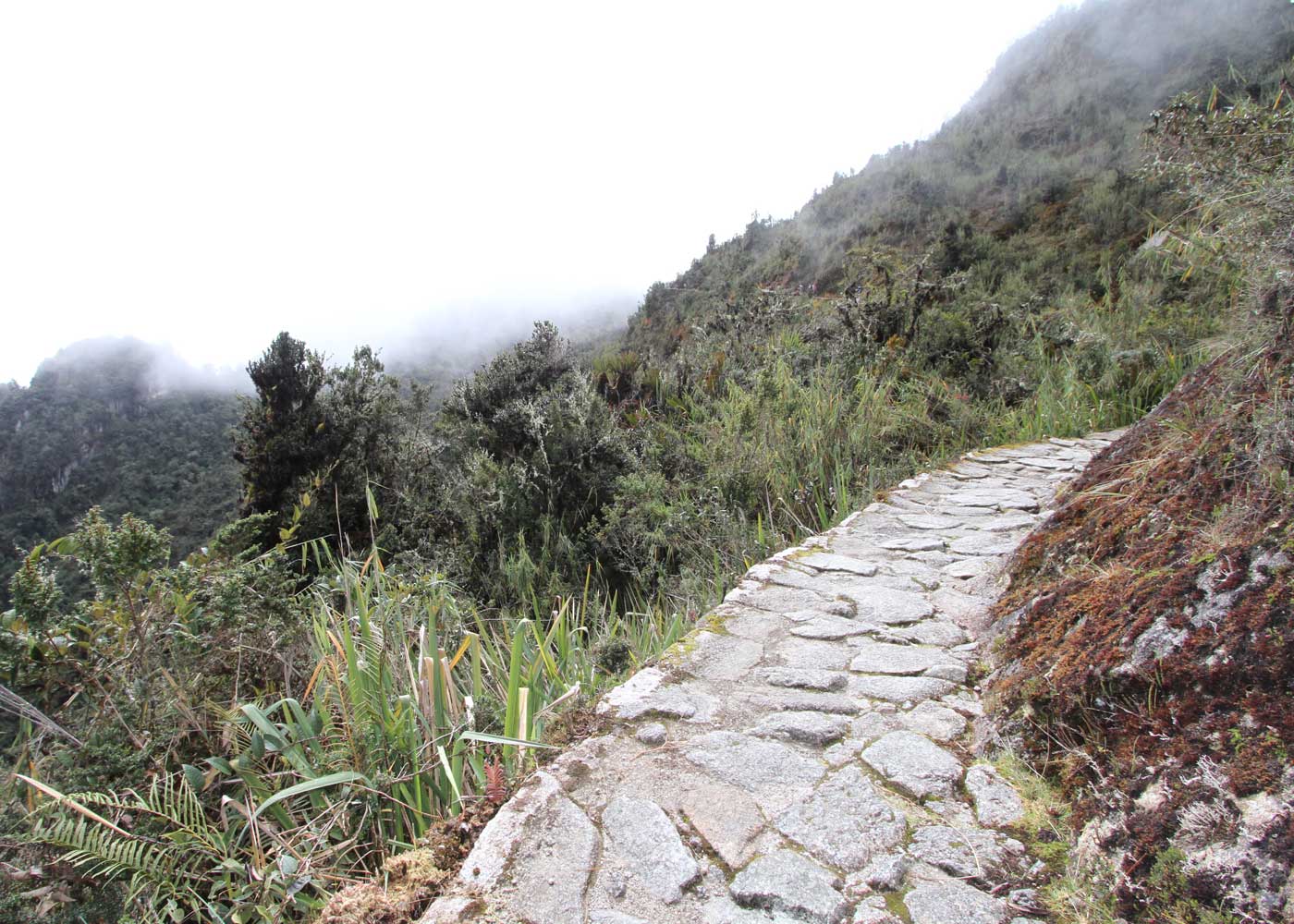
The result is staggering diversity. Trek through desert canyons in Arequipa. Cross alpine passes in the Cordillera Blanca. Descend into cloud forests thick with orchids and hummingbirds. Walk ancient Inca pathways carved into mountainsides five centuries ago. Each region offers distinct terrain, climate, and culture.
Peru’s highest point, Huascaran, reaches 6,768 meters. Many popular treks cross passes above 4,000 meters, with some exceeding 5,000 meters. This altitude defines the experience. It demands respect, preparation, and acclimatization. It rewards those who come ready with views and accomplishments that stay vivid for decades.
Ancient Paths, Living Culture
According to research by Inca road historian John Hyslop, the Inca Empire built over 25,000 miles of roads across six modern countries. Peru contains the heart of this network, known as Qhapaq Nan. UNESCO designated these ancient highways a World Heritage Site in 2014, recognizing them as one of the most extensive pre-Columbian infrastructure achievements in the Americas.
When you trek in Peru, you often walk these same paths. The Inca Trail to Machu Picchu follows a ceremonial route used by royalty. The Lares Trek passes through Quechua communities where traditional weaving and farming continue unchanged. The Ausangate circuit circumnavigates a mountain sacred to Andean cosmology for millennia.
This cultural dimension separates Peru trekking from pure wilderness experiences. You’re not just hiking through beautiful scenery. You’re walking through living history, past archaeological sites, and among communities that maintain traditions predating European contact.
Why Trekkers Choose Peru Over Other Destinations
Nepal offers higher mountains. Patagonia offers remoter wilderness. The Alps offer more developed infrastructure. Yet Peru consistently ranks among the world’s top trekking destinations. Here’s why.
Accessibility. Lima sits roughly equidistant from North American and European hubs. No other major trekking destination offers comparable convenience for Western travelers. You can leave New York on Thursday and begin acclimatizing in Cusco by Saturday.
Value. Peru delivers world-class trekking experiences at costs significantly below comparable destinations. A premium guided Inca Trail trek costs less than a basic lodge trek in Nepal. Excellent local cuisine, affordable accommodations, and strong infrastructure support the experience.
Variety. Within Peru, you can choose archaeological treks, pure mountain treks, cultural immersion treks, canyon treks, and technical mountaineering. Few destinations match this range of options within a single country.
The destination. Many Peru treks end at Machu Picchu, consistently rated among the world’s most spectacular archaeological sites. Walking through the Sun Gate at dawn, seeing the citadel emerge from morning mist, creates a culmination that no other trek can match.
Peru’s Three Great Trekking Regions
Peru’s trekking opportunities cluster into three primary regions, each with distinct character, climate, and appeal. Understanding these regions helps you choose the right experience.
Cusco Region: The Heart of Inca Trekking
The Cusco region dominates Peru trekking for good reason. The former Inca capital sits at 3,400 meters, surrounded by the Sacred Valley and the trails that once connected this highland empire.
Key characteristics:
- Elevation range: 2,400m to 5,200m
- Climate: Clear dry season (April-October), defined rainy season
- Infrastructure: Excellent tourist facilities, multiple airport connections
- Character: Archaeological sites, Inca heritage, well-developed trails
The Cusco region contains Peru’s most famous treks. The Inca Trail draws thousands annually with its combination of history and scenery. The Salkantay Trek offers striking mountain views without permit restrictions. The Ausangate Trek provides remote adventure around a sacred mountain. The Lares Trek emphasizes cultural encounters over archaeology.
Rainbow Mountain, reaching 5,036 meters, has become Peru’s most-photographed day hike. Its striped mineral formations create landscapes that look digitally enhanced but exist exactly as your eyes perceive them.
Best for: First-time Peru trekkers, Machu Picchu seekers, those interested in Inca history, travelers wanting reliable infrastructure.
Arequipa Region: Canyons and Volcanoes
South of Cusco, the Arequipa region offers sharply different terrain. Here, trekking means canyon descents rather than mountain passes, volcanic landscapes rather than glaciated peaks.
Key characteristics:
- Elevation range: 1,200m to 5,800m
- Climate: Drier than Cusco, less seasonal variation
- Infrastructure: Good facilities in Arequipa city, more basic in canyons
- Character: Dramatic canyons, volcanic terrain, condor habitat
Colca Canyon plunges twice as deep as the Grand Canyon. Condors ride thermals above the Cruz del Condor viewpoint. Traditional villages perch on canyon walls, their pre-Inca terraces still under cultivation. Trekking here means descending to the canyon floor, following the river, and climbing back out through agricultural settlements.
Cotahuasi Canyon reaches even deeper, though with less developed tourism. This is Peru’s frontier trekking, where infrastructure remains basic and crowds nonexistent.
The volcanic cones of Misti and Chachani offer summit climbs for those seeking peak experiences without technical mountaineering requirements.
Best for: Trekkers seeking alternatives to Cusco crowds, bird enthusiasts (condors), those interested in canyon landscapes, climbers wanting non-technical summit options.
Huaraz & Cordillera Blanca: Technical Mountain Paradise
North of Lima, the Cordillera Blanca contains the world’s highest tropical mountain range. This is Peru’s technical trekking heartland, where glacier-clad peaks exceed 6,000 meters and alpine lakes dot high valleys.
Key characteristics:
- Elevation range: 3,000m to 5,000m+ on treks (peaks to 6,768m)
- Climate: Similar dry/wet pattern to Cusco, colder temperatures
- Infrastructure: Good in Huaraz, basic on remote circuits
- Character: Alpine scenery, glacial landscapes, challenging terrain
The Huayhuash Circuit frequently appears on “world’s best treks” lists. Over 8-12 days, trekkers circumnavigate a compact range containing some of Earth’s finest mountain scenery. This is expedition-style trekking requiring strong fitness and high-altitude experience.
The Santa Cruz Trek offers a more accessible introduction to the Cordillera Blanca. Four days through glacier valleys, past turquoise lakes, beneath towering peaks. Challenging but achievable for fit trekkers without prior high-altitude experience.
For a single-day introduction to the range, the Laguna 69 hike climbs to a turquoise glacial lake inside Huascarán National Park. It is one of Peru’s most popular day hikes and a good way to sample high-altitude trekking without committing to a multi-day circuit.
Best for: Experienced trekkers, mountain photography enthusiasts, those seeking remote wilderness, technical mountaineering base.
Emerging Regions: Chachapoyas and Beyond
Northern Peru around Chachapoyas offers archaeological trekking without Cusco crowds. The pre-Inca Chachapoya civilization left cliff tombs and fortress ruins throughout cloud forest terrain. Infrastructure remains developing, but adventurous trekkers find rewarding alternatives here.
Many trekkers also extend their trip south to Lake Titicaca, adding a lower-altitude stop on Peru’s border with Bolivia after days in the high Andes.
Peru’s Most Iconic Treks: A Complete Overview
Peru offers dozens of trek options. These eight represent the range of experiences available, from the world-famous Inca Trail to remote circuits known mainly to dedicated trekkers.
The Inca Trail to Machu Picchu
The facts:
- Distance: 42 km (26 miles)
- Duration: 4 days, 3 nights (classic route)
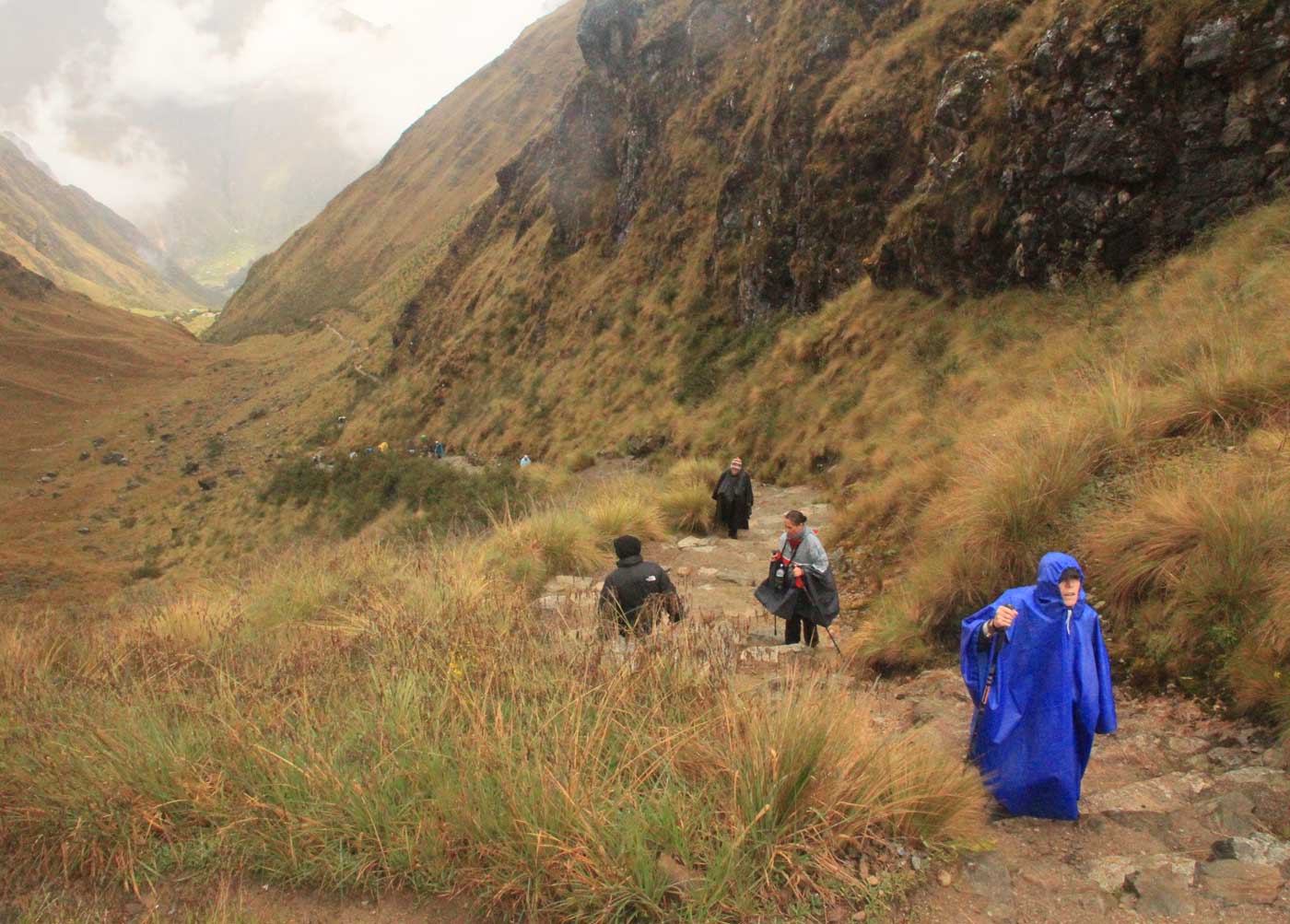
- Highest point: 4,215m (Dead Woman’s Pass)
- Difficulty: Moderate to challenging
- Permits: Required, strictly limited to 500/day
The Inca Trail remains Peru’s signature trek. Not because it’s the longest, highest, or most scenic, but because of what lies at the end and along the way.
You’ll walk original Inca stonework for four days, passing archaeological sites that most Peru visitors never see. Llactapata, Runkurakay, Sayacmarca, Phuyupatamarca, Winay Wayna. Each site reveals more about Inca engineering and spirituality. Then, on the final morning, you walk through Inti Punku, the Sun Gate, as Machu Picchu materializes from the mist below.
This approach, the same one Inca pilgrims took centuries ago, creates an emotional arrival that train visitors never experience.
The permit system limits daily entries, creating both challenges (book months ahead) and benefits (less crowding than you’d expect). Our 4-day Inca Trail tour covers the classic route. A 2-day option provides the Sun Gate experience for those with time constraints.
Best for: History enthusiasts, those who want the iconic Machu Picchu arrival, travelers who plan well ahead.
Salkantay Trek
The facts:
- Distance: 74 km (46 miles)
- Duration: 5 days, 4 nights
- Highest point: 4,650m (Salkantay Pass)
- Difficulty: Challenging
- Permits: Not required
The Salkantay Trek has become Peru’s most popular Inca Trail alternative. It offers equally impressive scenery, higher passes, and more flexibility.
Salkantay peak (6,271m) dominates the trek. Glaciers cling to its flanks. The high pass crosses terrain where nothing grows, then descends through orchid-filled cloud forest to semi-tropical valleys. The ecological transition exceeds even the Inca Trail’s diversity.
Without permit restrictions, Salkantay accommodates last-minute planners. Fewer trekkers spread across the route. Lodge options exist for those preferring beds to tents.
You don’t enter Machu Picchu through the Sun Gate. Instead, you approach via train from Hidroelectrica or Aguas Calientes. Some find this disappointing. Others appreciate trading a single moment for an overall superior mountain experience.
Best for: Scenery-focused trekkers, those who missed Inca Trail permits, travelers seeking fewer crowds, lodge trek preference.
Ausangate Trek
The facts:
- Distance: 70 km (43 miles) for full circuit
- Duration: 5-7 days
- Highest point: 5,200m (multiple passes)
- Difficulty: Challenging to strenuous
- Permits: Not required (local fees apply)
Ausangate mountain (6,384m) holds deep significance in Andean cosmology. Local communities consider it an Apu, a powerful mountain spirit. Trekking its circuit means entering sacred geography still actively venerated.
The Ausangate Trek reaches higher than the Inca Trail or Salkantay, crossing multiple passes above 5,000 meters. Turquoise lakes, red-striped mountains, grazing alpaca herds, and hot springs define the landscape. Remote communities offer basic homestay accommodations and glimpses of traditional highland life.
This trek connects naturally with Rainbow Mountain, either as a day extension or integrated route.
Best for: Experienced high-altitude trekkers, those seeking cultural authenticity, Rainbow Mountain visitors wanting extended adventures.
Lares Trek
The facts:
- Distance: 33 km (20 miles)
- Duration: 4 days, 3 nights
- Highest point: 4,450m
- Difficulty: Moderate
- Permits: Not required
The Lares Trek prioritizes cultural immersion over archaeological sites. The route passes through isolated Quechua villages where traditional weaving, farming, and herding continue as they have for generations.
Hot springs along the route provide welcome relaxation. The final day typically includes train and bus transport to Machu Picchu, combining the trek with the citadel visit even without Inca Trail permits.
Shorter distances and far fewer stone steps make Lares one of Peru’s more accessible multi-day options, though its pass (about 4,450 m) is higher than Dead Woman’s Pass on the Inca Trail (4,215 m). See how Lares compares with the Inca Trail.
Our Lares trek guide covers the route, the hot springs and the weaving villages.
Best for: Cultural enthusiasts, weavers and textile artists, those wanting a gentler introduction to Peru trekking.
Choquequirao Trek
The facts:
- Distance: 60 km (37 miles)
- Duration: 4-5 days (to Choquequirao and back); 8-9 days (continuing to Machu Picchu)
- Highest point: 3,050m
- Difficulty: Challenging
- Permits: Not required
Choquequirao was Machu Picchu’s “sister city,” equally impressive but reached by only 30-50 visitors daily. Less than 30% of the site has been excavated. You’ll see ruins that archaeologists are still uncovering.
The Choquequirao Trek doesn’t climb as high as other Peru treks, but it descends into and climbs out of the Apurimac Canyon, creating substantial daily elevation changes. The effort filters out casual visitors, leaving those who arrive feeling they’ve earned something exclusive.
Extended routes continue from Choquequirao to Machu Picchu via the Vilcabamba range, creating 8-9 day expeditions for dedicated trekkers. Our Choquequirao trek guide covers both versions day by day.
Best for: Adventure seekers, archaeology enthusiasts, those avoiding crowds, experienced trekkers seeking challenge.
Rainbow Mountain (Vinicunca)
The facts:
- Distance: 10-12 km round trip (day hike)
- Duration: 1 day (or multi-day with Ausangate)
- Highest point: 5,036m
- Difficulty: Challenging (due to altitude)
- Permits: Entry fee required
Rainbow Mountain became Peru’s viral sensation. The striped mineral formations, exposed by recent glacial retreat, create landscapes that photograph like digital art.
This is not a technical trek. The path climbs steadily from the trailhead at 4,300m to the viewpoint at 5,036m. The challenge is purely altitude. At 5,036 meters, according to the Institute for Altitude Medicine, you’re breathing air with roughly 50% of sea-level oxygen. Even fit trekkers feel it.
Crowds have grown significantly. Early morning starts help. Better yet, incorporate Rainbow Mountain into the Ausangate circuit for a multi-day experience with this viewpoint as a highlight rather than the sole objective.
Best for: Photographers, Instagram culture, day-trip visitors, those adding onto longer itineraries.
Huayhuash Circuit
The facts:
- Distance: 130 km (80 miles)
- Duration: 8-12 days
- Highest point: 5,000m+ (multiple passes)
- Difficulty: Strenuous
- Permits: Local community fees
The Huayhuash Circuit regularly appears on “world’s greatest treks” lists. National Geographic, Outside Magazine, and Lonely Planet have all featured it prominently.
The Cordillera Huayhuash packs jaw-dropping mountain scenery into a compact range. Trekkers cross eight passes above 4,500m, camp beside glacial lakes, and walk beneath some of Earth’s most imposing peaks. Siula Grande, made famous by “Touching the Void,” towers above the route.
This is expedition trekking. Remoteness means self-sufficiency. High passes demand fitness and altitude experience. Support comes from local arrieros (mule drivers) rather than established camp infrastructure.
Best for: Experienced high-altitude trekkers, mountain photography enthusiasts, those seeking remote wilderness, peak baggers.
Trek Comparison Table
| Trek | Duration | Distance | Max Elevation | Difficulty | Permits | Best For |
|---|---|---|---|---|---|---|
| Inca Trail | 4 days | 42 km | 4,215m | Moderate-Challenging | Required | History, iconic arrival |
| Salkantay | 5 days | 74 km | 4,650m | Challenging | No | Scenery, flexibility |
| Ausangate | 5-7 days | 70 km | 5,200m | Challenging-Strenuous | No | Culture, high altitude |
| Lares | 4 days | 33 km | 4,450m | Moderate | No | Cultural immersion |
| Choquequirao | 4-5 days | 60 km | 3,050m | Challenging | No | Adventure, archaeology |
| Rainbow Mountain | 1 day | 12 km | 5,036m | Challenging | Fee | Photography, day trip |
| Huayhuash | 8-12 days | 130 km | 5,000m+ | Strenuous | Fees | Remote wilderness |
Peru Trekking: Pros and Cons
Pros:
- Ancient Inca trails with archaeological sites you won’t find anywhere else
- Diverse ecosystems from desert canyons to cloud forests within a single trek
- Strong value compared to Nepal, Patagonia, or European alpine treks
- Well-developed guide and porter support system
- Many treks end at Machu Picchu, one of the world’s great archaeological sites
Cons:
- Altitude above 4,000m commonly causes symptoms in travelers who ascend without proper acclimatization
- The Inca Trail permit system sells out months ahead, limiting spontaneous travel
- Rainy season (November-March) shuts down many routes
- Budget operators sometimes exploit porters with low wages and heavy loads
- Remote treks like Huayhuash require high fitness and prior altitude experience
Inca Trail vs. Salkantay Trek
This is the most common comparison question we receive. Here’s how they stack up:
| Factor | Inca Trail | Salkantay Trek |
|---|---|---|
| Permits required | Yes, book 4-6 months ahead | No |
| Highest pass | 4,215m (Dead Woman’s Pass) | 4,650m (Salkantay Pass) |
| Machu Picchu entry | Sun Gate at dawn (iconic) | Train from Aguas Calientes |
| Archaeological sites | 5+ ruins along the route | Minimal |
| Mountain scenery | Good, forested sections | Superior, glaciated peaks |
| Price range | $600-$1,300 | $300-$1,200 |
| Lodge option available | No (camping only) | Yes |
| Flexibility | Low (fixed dates) | High (year-round, last-minute) |
Understanding Trek Difficulty: How to Choose Your Challenge
Peru trek ratings vary across operators and sources. Here’s a standardized framework based on our experience guiding thousands of trekkers.
Our Difficulty Rating System
We assess difficulty across five factors:
- Maximum altitude – Higher passes demand more acclimatization
- Daily distance – Longer days increase cumulative fatigue
- Terrain – Stone stairs, steep grades, and uneven surfaces affect effort
- Duration – Multi-day exhaustion compounds individual challenges
- Remoteness – Distance from support affects risk profile
Easy Treks (Suitable for Beginners)
Characteristics:
- Maximum elevation below 4,000m or very brief exposure above
- Daily distances under 10 km
- Well-maintained paths
- Strong support infrastructure
Examples:
- Sacred Valley day hikes
- 2-Day Inca Trail
- Single-day excursions around Cusco
Who succeeds: Anyone in reasonable health who can walk 3-4 hours. No prior trekking experience necessary.
Moderate Treks (Average Fitness Required)
Characteristics:
- Maximum elevation 4,000-4,500m
- Daily distances 10-15 km
- Some steep sections
- Established trail systems
Examples:
- Lares Trek
- Salkantay Trek (moderate to challenging)
- Humantay Lake day hike
Who succeeds: Regular exercisers who can hike 6-8 hours with a daypack. Some prior hiking experience helpful. 8-12 weeks of focused preparation recommended.
Challenging Treks (Good Fitness Essential)
Characteristics:
- Maximum elevation 4,500-5,000m
- Daily distances can exceed 15 km
- Significant elevation gain/loss daily
- Variable terrain requiring attention
Examples:
Who succeeds: Active individuals who exercise 3-4 times weekly. Prior multi-day hiking experience strongly recommended. 12-16 weeks of altitude-focused preparation.
Strenuous & Expert Treks
Characteristics:
- Maximum elevation exceeds 5,000m
- Multi-day exposure to extreme altitude
- Remote locations with limited support
- Demanding daily efforts over extended periods
Examples:
- Huayhuash Circuit
- Extended Choquequirao to Machu Picchu
- Technical mountaineering approaches
Who succeeds: Experienced trekkers with demonstrated high-altitude success. Athletes who train seriously. 6+ months of preparation for first-time high-altitude attempts.
The Altitude Factor
Altitude matters more than distance in Peru.
At 4,000 meters, atmospheric pressure drops to roughly 60% of sea level. Your body works harder to deliver oxygen to muscles. Heart rate increases. Breathing deepens. What would be an easy climb at home becomes genuinely effortful.
This is why a fit runner sometimes struggles more than a moderate hiker who has trekked at altitude before. Flatland fitness doesn’t fully transfer. Your body needs time to produce additional red blood cells and adapt respiratory patterns.
The biggest mistake trekkers make is training hard at sea level and assuming that fitness alone means they’re ready for 4,500 meters. Fitness helps, but it doesn’t replace acclimatization. Spend the extra days in Cusco before your trek starts.
The solution: adequate acclimatization before your trek and an honest assessment of your altitude experience.
When to Trek in Peru: Season-by-Season Guide
Peru’s best trekking season runs from May through September, with dry skies and clear mountain views across the Andes.
Peru’s weather follows predictable patterns, but regional variations matter. Here’s what to expect and when to go.
Dry Season (April-October): Prime Trekking Months
This is when most trekkers visit, and conditions justify the crowds.
Rainfall drops to near zero. Mountain views stay clear. Trails remain firm and passable. Temperatures during the day reach pleasant levels (15-20°C in valleys), though nights at altitude drop to freezing or below.
Peak months (June-August) align with Northern Hemisphere summer holidays. Expect the best weather but also:
- Fastest-selling Inca Trail permits
- Highest prices
- Fullest campsites
- Coldest nighttime temperatures
For the Cusco region, June through August delivers the most reliable conditions. For Huaraz and the Cordillera Blanca, July through September optimizes for clear mountain views.
Shoulder Seasons (April-May, September-October): Best Balance
We often recommend shoulder months to trekkers seeking the ideal combination of good weather, available permits, and manageable crowds.
April and May follow the rainy season. Landscapes remain lush and green. Wildflowers bloom. The occasional afternoon shower is possible but rarely problematic. Waterfalls run stronger than later in the dry season.
September and October offer stable weather before rains return. Trails are well-maintained. Slightly warmer nights than peak dry season. Permits become available closer to travel dates.
For most trekkers, May or September represents the sweet spot.
Rainy Season (November-March): Proceed with Caution
Rain gear can only do so much.
November through March brings daily afternoon storms to highland Peru. Trails become muddy and slippery. Mountain views disappear behind clouds. River crossings can become impassable.
The upside: Fewer trekkers, sharply lower prices, and green landscapes.
The reality: January and February see the heaviest, most sustained rainfall. Landslides occasionally close trail sections. We recommend against treks during these months unless you’re exceptionally flexible and prepared for challenging conditions.
The Inca Trail closes every February for maintenance and conservation work. No permits are issued.
Some treks handle rain better than others. Colca Canyon’s lower elevation and different weather patterns make it viable during Cusco’s rainy season.
Month-by-Month Summary
| Month | Weather | Crowds | Permits | Recommendation |
|---|---|---|---|---|
| January | Heavy rain | Low | Available | Not recommended |
| February | Rain | N/A | Inca Trail closed | Avoid for trekking |
| March | Decreasing rain | Low | Available | Acceptable |
| April | Transitional | Moderate | Book 2-3 mo ahead | Recommended |
| May | Dry, clear | Moderate | Book 3-4 mo ahead | Recommended |
| June | Dry, cold nights | High | Book 5-6 mo ahead | Excellent |
| July | Dry, cold nights | Highest | Book 5-6 mo ahead | Excellent |
| August | Dry, cold nights | High | Book 5-6 mo ahead | Excellent |
| September | Dry, warming | Moderate | Book 3-4 mo ahead | Recommended |
| October | Transitional | Moderate | Book 2-3 mo ahead | Recommended |
| November | Increasing rain | Low | Available | Acceptable |
| December | Rain | Low | Available | Acceptable |
How to Prepare for Trekking in Peru
Start training 12 weeks before your trek, arrive in Cusco 2-3 days early to acclimatize, and bring broken-in waterproof boots.
Proper preparation separates rewarding treks from miserable ones. Here’s what actually matters.
Physical Preparation Timeline
3 months before: Base building
- Establish consistent cardio routine (3-4 sessions/week)
- Walking, cycling, swimming, or elliptical
- Build aerobic foundation without overtraining
- One longer session weekly (60-90 minutes)
6 weeks before: Elevation focus
- Replace flat cardio with incline work
- Stair climbing becomes central (stadiums, office buildings, gym machines)
- Add weighted pack (start at 5 kg, build to 10 kg)
- Practice on uneven terrain when possible
2 weeks before: Trek simulation
- Back-to-back hiking days
- Full daypack weight
- Wear your actual trekking boots
- Test clothing layers
Key exercises:
- Stair climbing – The trail is stairs. Train accordingly.
- Lunges and squats – Builds quad and glute strength for descents
- Calf raises – Prepares for constant elevation change
- Core stability – Maintains balance with a pack on uneven terrain
Altitude Acclimatization
This matters more than your fitness level.
Peru treks regularly exceed 4,000 meters. Ausangate reaches 5,200 meters at its highest pass, and the Rainbow Mountain viewpoint reaches 5,036 meters. At these elevations, your body needs time to adapt.
Pre-trek protocol:
- Arrive in Cusco (3,400m) at least 48 hours before your trek
- Day 1: Rest. Walk gently. Drink coca tea. Stay hydrated.
- Day 2: Light activity. Consider a Sacred Valley tour (lower elevation).
- Day 3: Trek begins with some altitude adaptation complete.
Extending to 3-4 pre-trek days significantly improves outcomes for sea-level residents, travelers over 50, or those with respiratory considerations.
During the trek:
- Ascend slowly
- Drink 3+ liters daily
- Eat light, carbohydrate-rich meals
- Communicate symptoms to guides immediately
For detailed altitude sickness prevention strategies, see our dedicated guide.
Mental Preparation
Peru trekking involves long days, physical discomfort, and conditions you can’t control.
Expect:
- 6-10 hours of hiking daily
- Cold nights, even in dry season
- Basic toilet facilities
- Muscle soreness that accumulates
- Moments of genuine challenge
What helps:
- Realistic expectations
- Focus on pace, not speed
- Appreciation for small moments
- Willingness to ask for help
The trekkers who struggle most often aren’t the least fit. They’re those who expected something easier than reality delivered. Come prepared for genuine effort, and you’ll find the experience rewarding rather than overwhelming.
Health Considerations
Vaccinations: Consult a travel medicine specialist 6-8 weeks before departure. Common recommendations include Hepatitis A, Typhoid, and routine boosters. Yellow fever may be required if entering jungle regions.
Medications: Bring more than you need of any regular prescriptions. Discuss altitude sickness prevention (Diamox/acetazolamide) with your doctor before traveling.
Travel insurance: Required by most operators. Ensure coverage includes emergency evacuation from altitude and activity-specific coverage for trekking.
Pre-existing conditions: Be honest with your operator about any health considerations. Most conditions are manageable with proper planning, but guides need accurate information to support you safely.
Peru Trek Permits: What You Need to Know
Permit confusion ranks among the top questions we receive. Here’s the clear breakdown.
Treks That Require Permits
Inca Trail: Strict permit system managed by Peru’s Ministry of Culture (SERNANP). 500 daily permits total (including guides, porters, cooks). Approximately 200 go to trekkers. Non-transferable, non-refundable. Must book through licensed operators. Sells out months ahead for peak season.
Rainbow Mountain: Entry fee collected at trailhead (approximately $10 USD). Not a limited permit system, just a fee.
Other regulated areas: Some community-managed treks collect fees at entry points. These are not limited permits, just access fees supporting local communities.
Treks Without Permit Requirements
Most Peru treks operate without formal permit systems:
- Salkantay Trek
- Lares Trek
- Ausangate Trek
- Choquequirao Trek
- Huayhuash Circuit
- Colca Canyon
This doesn’t mean you should trek independently. Licensed operators provide safety, logistics, and local expertise that independent trekking lacks. It does mean booking flexibility. You can often arrange these treks weeks rather than months ahead.
How to Secure Permits
For the Inca Trail:
- Choose your dates with flexibility if possible
- Contact a licensed operator (like us) with preferred dates
- Provide passport information exactly as printed
- Pay deposit to secure permit application
- Receive confirmation once permit is issued
Booking timeline:
- Peak season (June-August): 4-6 months ahead
- Shoulder season: 2-3 months ahead
- Low season: 4-6 weeks (sometimes less)
For current availability, check our permit tracker.
2026 Permit Information
Permits for 2026 were released in late October 2025. Peak season dates filled quickly. As of February 2026:
- June-August: Extremely limited availability
- April-May: Moderate availability
- September-October: Good availability
- November-December: Generally available
Prices remain consistent with recent years. Inca Trail permits cost approximately $200 USD per person, included in tour pricing.
What Trekking in Peru Actually Looks Like
Understanding daily reality helps you prepare appropriately.
A Typical Day on the Trail
5:00-6:00 AM: Wake-up call with coca tea delivered to your tent. Pack sleeping bag and personal items.
6:30-7:30 AM: Breakfast in the dining tent. Hot options (eggs, pancakes), bread, fruit, tea and coffee.
7:30 AM-12:30 PM: Morning hiking. Usually the larger climb of the day while temperatures remain cool.
12:30-1:30 PM: Lunch. Hot meal prepared by cook team. Rest period.
1:30-4:30 PM: Afternoon hiking. Usually descending or moderate terrain.
4:30-5:00 PM: Arrive at camp. Tents already set up by porters who moved ahead.
5:00-7:00 PM: Free time. Rest, explore, socialize, photograph sunset.
7:00 PM: Dinner. Multiple courses, often surprisingly elaborate given the location.
8:30-9:00 PM: Early to bed. Altitude and exertion make this feel natural.
Accommodations: Camping vs. Lodge Treks
Traditional camping remains the standard for most Peru treks. Operators provide:
- 4-season tents (typically 2-person)
- Sleeping pads (quality varies by operator)
- Dining tent with tables and chairs
- Toilet tent at camps
You’ll sleep in the same tent each night, moved by porters between camps. Bring a sleeping bag rated to -5°C minimum (rentals available).
Lodge treks exist on some routes, primarily Salkantay and Lares. Private rooms, hot showers, and actual beds replace camping. Prices increase accordingly. The experience feels less adventurous but suits those unwilling to sacrifice comfort.
Food on the Trail
Trek cuisine consistently surprises visitors. Cook teams produce remarkable meals from camp kitchens.
Typical menu:
- Hot breakfasts (eggs, pancakes, oatmeal, bread)
- Trail snacks and packed lunches
- Multi-course dinners (soup, main course, dessert)
- Endless coca tea
Dietary accommodations (vegetarian, vegan, gluten-free) are standard with advance notice. Communicate restrictions when booking.
Hydration: Operators provide boiled or treated water. Bring 2-3 liter capacity and refill at meals and water points.
Porter and Guide Support
Understanding the support system helps you appreciate your experience.
Guides lead the group, provide historical and cultural context, manage safety, and coordinate logistics. Licensed guides undergo training and certification through Peru’s Ministry of Culture.
Porters carry group equipment (tents, food, cooking gear) plus your duffel bag (typically 7 kg limit). They move faster than trekking groups, arriving at camps ahead to set up.
Cooks transform basic ingredients into surprisingly elaborate meals under challenging conditions.
Ethical treatment of support staff matters. Ask operators about wage policies, weight limits, and working conditions. Porter welfare distinguishes responsible operators from exploitative ones.
Regulations now set weight limits and minimum wages for porters, but enforcement varies by operator. Travelers should ask directly about wage policies and equipment before booking. The best operators pay above minimum and provide proper gear for their porters.
Weather and Conditions
Daily patterns: Mornings typically start clear. Clouds may build by afternoon, especially during shoulder seasons. Rain is rare during dry season but possible.
Temperature ranges:
- Valley camps (2,500-3,500m): 10-20°C day, 5-10°C night
- High camps (4,000m+): 5-15°C day, -5 to 5°C night
- Passes (4,500m+): Often freezing, wind chill significant
Layer accordingly. Conditions can shift within a single day from warm valley hiking to cold, windy pass crossing.
Essential Gear for Peru Trekking
Pack right and you’ll barely notice your gear. Pack wrong and you’ll suffer.
Footwear and Clothing
Boots: Broken-in, waterproof hiking boots with ankle support. This is non-negotiable. New boots cause blisters that ruin treks.
Layering system:
- Base: Moisture-wicking (synthetic or merino, never cotton)
- Mid: Lightweight fleece or down jacket
- Shell: Waterproof, breathable rain jacket
Pants: Zip-off hiking pants or quick-dry alternatives. Bring one pair for hiking, one for camp.
Warmth: Warm hat, gloves, buff/neck gaiter for high passes and cold nights.
Socks: 4+ pairs of hiking socks. Merino wool preferred. This is where extra packing pays off.
Equipment Essentials
Daypack: 20-30 liter capacity for daily essentials (water, snacks, rain layer, camera)
Sleeping bag: Rated to -5°C/23°F minimum. Rentals available (~$25-40).
Trekking poles: Highly recommended. Essential for steep descents. Rentals available ($30 a pair).
Headlamp: Essential for early morning starts and camp navigation. Bring spare batteries.
Water capacity: 2-3 liters. Bottles or hydration bladder.
Health and Safety Items
- Personal medications (bring extra)
- Altitude sickness medication (Diamox, consult doctor)
- Pain relievers, anti-diarrheal
- Blister treatment
- Sunscreen SPF 30+ and lip balm with SPF
- Insect repellent
- Hand sanitizer
- Basic first aid
What NOT to Bring
- Cotton clothing (absorbs moisture, causes chafing)
- Heavy books (weight matters)
- Multiple outfit changes (one hiking, one camp is sufficient)
- Valuables you’d be devastated to lose
- Single-use plastics (pack out what you pack in)
For a complete checklist, see our Peru trekking packing guide.
How Much Does Trekking in Peru Cost?
The Inca Trail costs $600 to $1,300 for a budget or mid-range group trek and up to $4,000 for a luxury departure, while alternative treks like Salkantay start at $300. Our own classic 4-day Inca Trail is $749 per person and ends at Machu Picchu; the Cusco round trip, with the train back to Cusco included, is $819.
Transparency builds trust. Here’s what to actually budget.
Trek Pricing Overview
Prices vary by:
- Trek length and difficulty
- Service level (budget/mid-range/premium)
- Group size (smaller groups cost more)
- Season (peak months premium)
- Inclusions (sleeping bags, poles, etc.)
Price Ranges by Trek
| Trek | Budget | Mid-Range | Premium/Private |
|---|---|---|---|
| Inca Trail 4-day | $600-900 | $900-1,300 | $1,900-4,000 |
| Inca Trail 2-day | $500-650 | $650-900 | $900-1,200 |
| Salkantay 5-day | $300-400 | $450-650 | $700-1,200 |
| Ausangate 5-day | $400-500 | $550-700 | $800-1,200 |
| Lares 4-day | $350-450 | $500-650 | $700-1,000 |
| Huayhuash 10-day | $700-900 | $1,000-1,400 | $1,600-2,500 |
Additional Costs to Budget
| Item | Approximate Cost |
|---|---|
| Sleeping bag rental | $25-40 |
| Sleeping pad rental | $15-25 |
| Trekking poles rental | $30 a pair |
| Extra porter for gear | $80-120 |
| Tips (guides, porters, cook) | $50-100 total |
| Pre/post-trek hotels | $30-150/night |
| Meals in Cusco | $15-30/day |
| Travel insurance | $50-150/trip |
Value Considerations
The cheapest option isn’t always the best value.
Budget operators sometimes cut costs through:
- Lower porter wages
- Heavier porter loads
- Worn-out equipment
- Larger group sizes
- Reduced meal quality
Mid-range pricing typically provides:
- Fair porter wages and conditions
- Quality equipment in good repair
- Reasonable group sizes (8-14)
- Solid meals with dietary accommodation
Premium pricing adds:
- Smaller groups (4-8)
- Superior equipment
- Gourmet-level meals
- More experienced guides
- Flexible pacing
Responsible tourism costs money. When pricing seems too good, question what’s being sacrificed.
Start Planning Your Peru Trek
You’ve read the regions, studied the options, and considered the logistics. Now picture yourself standing at a high pass, mountains stretching to every horizon, ancient pathways beneath your feet.
That moment is waiting.
Peru trekking rewards those who prepare well and choose wisely. Whether you’re drawn to the iconic Inca Trail, the dramatic peaks of Salkantay, the cultural depth of Lares, or the remote wilderness of Huayhuash, these experiences stay vivid for decades.
We’ve guided thousands of trekkers across Peru’s mountain ranges. We know which treks match which travelers. We understand the logistics, the permits, the preparation that separates good experiences from great ones.
Your next steps:
- Browse our Peru trek options to see what matches your interests
- Check Inca Trail permit availability if that’s your target
- Contact us with questions. We respond within 24 hours.
The trails are waiting. The mountains don’t care about your schedule, but they reward those who show up ready.
Questions about trekking in Peru? Our team has walked these trails hundreds of times. Get in touch. We’re happy to help you find the right trek.
This guide is maintained by Inca Trail Reservations, a licensed Peru tour operator that has organized guided treks across the Andes since 2006.