Bolivia offers raw adventure in South America’s most geographically extreme country. From the Salar de Uyuni shimmering at 3,656 meters to La Paz’s streets carved into canyon walls, Bolivia rewards travelers seeking authentic experiences far from established tourist circuits.
Why Bolivia Belongs on Your Travel List
Bolivia has what Peru had 30 years ago: adventure without the crowds. Challenging terrain and limited infrastructure kept mass tourism at bay, preserving indigenous cultures and landscapes that still feel like discoveries. Today, improved roads and tour services make Bolivia accessible without sacrificing its frontier character.
This is where the Andes reach their widest span, where ancient Tiwanaku predates the Inca Empire by centuries, and where Aymara and Quechua traditions remain living daily practice rather than tourist performance.
Extreme Landscapes
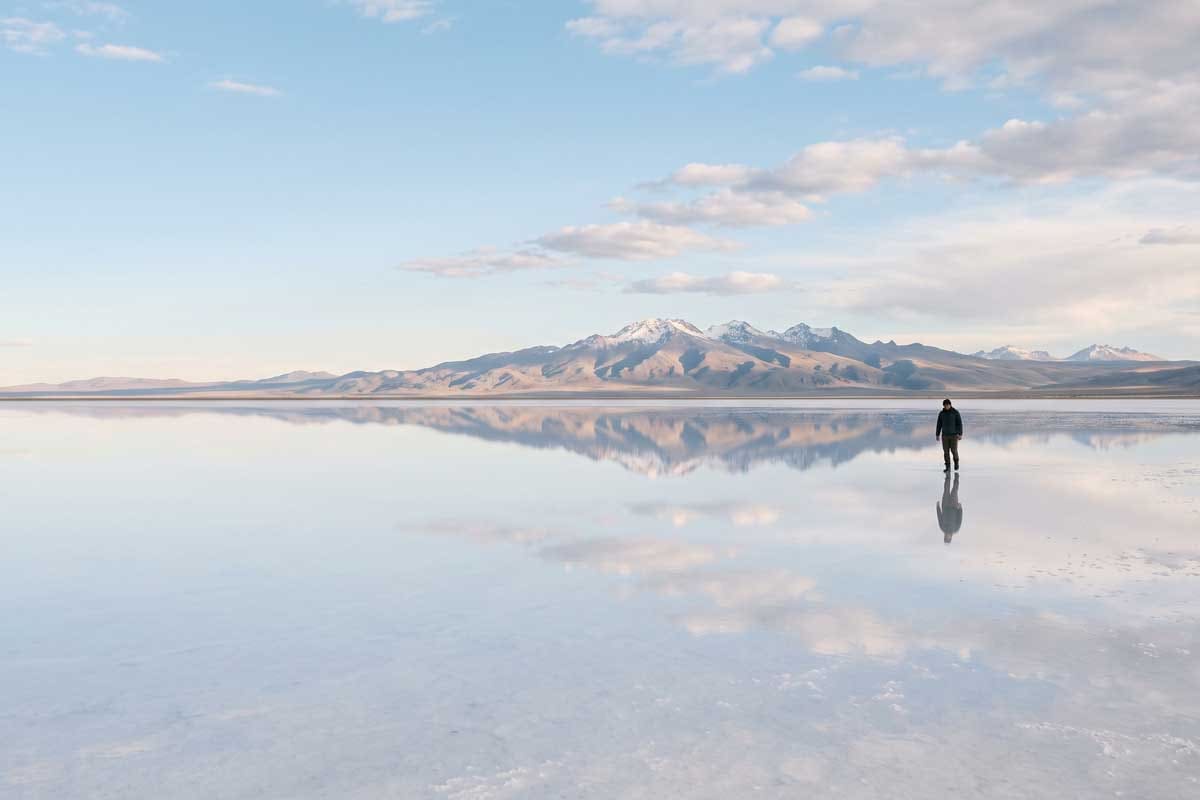
The Salar de Uyuni transforms into an infinite mirror during the wet season. The Cordillera Real displays 6,000 m peaks within sight of La Paz. The Yungas plunge from frozen highlands to tropical jungle within 50 kilometers.
Living Indigenous Culture
Bolivia has the highest percentage of indigenous population in the Americas. Aymara ceremonies on Lake Titicaca, cholita wrestling in El Alto, and Carnival in Oruro reveal traditions unchanged for generations.
Adventure Without Crowds
Bolivia receives a fraction of Peru’s visitors despite equally impressive attractions. You share trails with llamas, not tour groups. Salt flat tours feel like private expeditions. Markets cater to locals, not souvenir hunters.
Destinations
La Paz
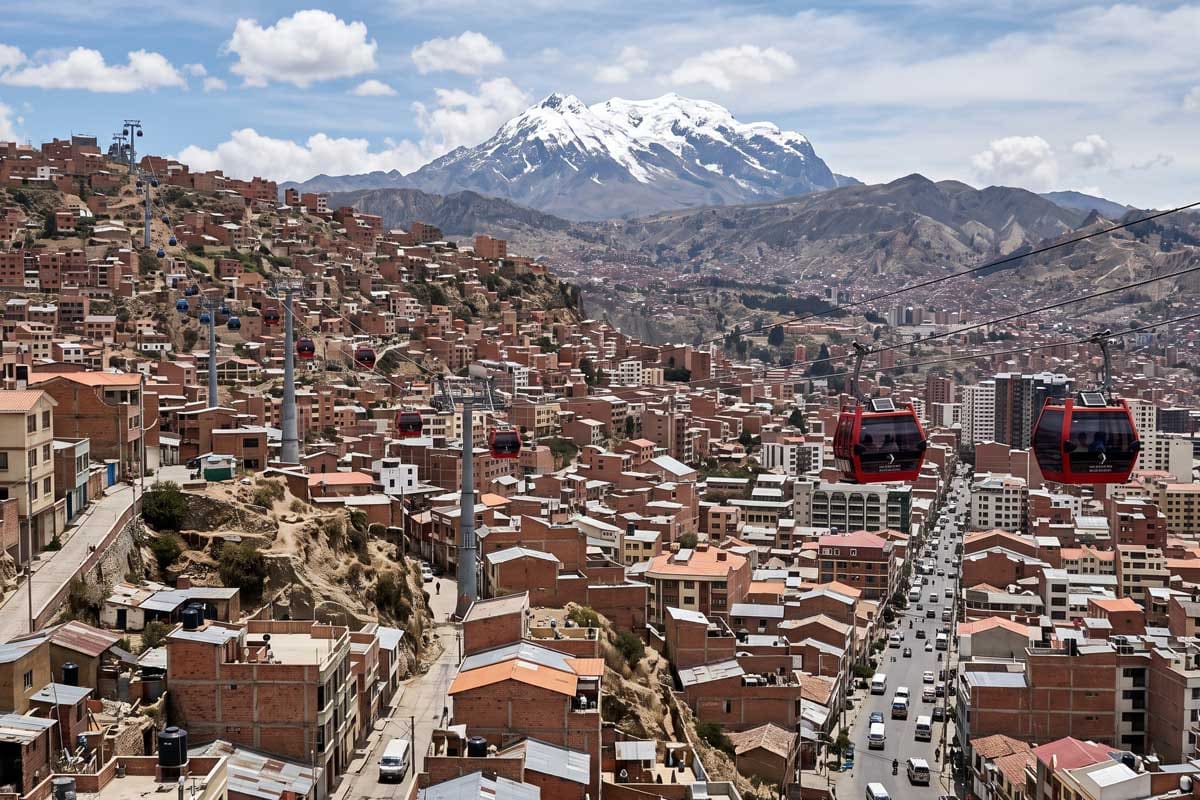
La Paz defies urban logic. The city fills a canyon at 3,640 meters, with wealthier neighborhoods sitting lower (and warmer) than the indigenous communities of El Alto perched at 4,150 m above. A cable car network (the world’s longest and highest urban teleferico) connects neighborhoods vertically. The Witches’ Market sells traditional medicines and llama fetuses; Valle de la Luna’s eroded moonscape sits just outside the city.
Salar de Uyuni
Over 10,000 square kilometers of salt crust create Earth’s largest natural mirror. During the wet season (December-April), a thin water layer transforms the flats into a perfect reflection of sky where the horizon disappears. Multi-day tours from Uyuni town cross the salt flats to reach Eduardo Avaroa National Reserve, passing flamingo-filled lagoons, active geysers, and surreal rock formations. The journey continues to the Chile border at 4,300 m, one of South America’s most spectacular overland crossings.
Lake Titicaca
The world’s highest navigable lake (3,812 m) straddles the Peru-Bolivia border. Bolivia’s side offers a more authentic experience. Copacabana serves as the lakeside base for visiting Isla del Sol, the legendary birthplace of the Inca sun god. The island contains pre-Inca ruins, Inca temples, and traditional Aymara communities. A north-to-south hike across the island takes 3-4 hours with continuous views of the Cordillera Real.
Sucre
Bolivia’s constitutional capital preserves colonial architecture in whitewashed splendor. The UNESCO-listed city center showcases Spanish colonial power, while nearby Tarabuco hosts one of Bolivia’s most authentic indigenous markets every Sunday. Just outside Sucre, Cal Orck’o displays the world’s largest collection of dinosaur footprints: over 5,000 tracks across a nearly vertical limestone wall.
The Yungas
The Yungas bridges the Altiplano and the Amazon through dramatic elevation changes. The old Yungas road (“Death Road”) has become the world’s most famous mountain bike descent: 64 km dropping 3,600 m from frozen pass to tropical valley. Beyond the adrenaline tourism, the Yungas shelters Bolivia’s best coffee plantations, coca fields (legal for traditional use), and cloud forest biodiversity. The colonial town of Coroico makes an excellent base for waterfalls, zip lines, and community tourism.
Bolivia’s Hiking Trails
Bolivia’s Cordillera Real rises directly behind La Paz, placing 6,000 m peaks and ancient Inca trail routes within day-trip distance of the capital. Our guide to Bolivia hiking trails covers all routes with difficulty ratings, altitude profiles, gear requirements, and seasonal conditions. Key highlights:
- El Choro Trek (3 days) – Ancient Inca road descending from 4,800 m to the Yungas. Trail details
- Takesi Trail (2 days) – Pre-Columbian stone path crossing the Cordillera. Trail details
- Huayna Potosi (2 days) – One of the world’s most accessible 6,000 m summits. Trail details
- Condoriri Circuit (4-5 days) – High-altitude circuit with glacial lakes. Trail details
Getting to Bolivia
Bolivia has two main international airports: El Alto International (LPB) serving La Paz, and Viru Viru International (VVI) in Santa Cruz. El Alto sits at 4,061 m, the world’s highest international airport, so prepare for immediate altitude exposure on arrival. Most international connections route through Lima, Bogota, or Sao Paulo. Boliviana de Aviacion operates direct flights from Miami to Santa Cruz.
The most common overland entry from Peru crosses at Desaguadero on Lake Titicaca (tourist buses run Puno to La Paz in 6-7 hours, or Cusco to La Paz in 10-12 hours). From Chile, the Uyuni-Atacama route crosses spectacular high-altitude desert. From Argentina, buses connect via Villazon.
Visa & Entry Requirements
Most nationalities (US, EU, UK, Canada, Australia) receive 90-day visa-free entry. The US reciprocity fee ($160) was abolished in 2023. Passport must be valid for 6 months. Yellow fever vaccination certificate required if arriving from endemic areas. Entry stamps issued at all borders.
Currency & Costs
Bolivia uses the Boliviano (BOB) and remains South America’s most affordable destination. Budget travelers manage on $30-40/day including accommodation, meals, and transport. Mid-range comfort runs $60-100/day. ATMs are widely available in La Paz and major cities but scarce in rural areas; carry cash for small towns and markets. US dollars are accepted at tourist businesses at approximately 6.9 BOB per dollar (as of 2026). Credit cards work at hotels and agencies but not in markets or rural areas.
Language
Spanish is Bolivia’s primary language, with Aymara and Quechua widely spoken in highland indigenous communities. English is uncommon outside tourist-facing businesses in La Paz and Uyuni. Basic Spanish significantly enhances your experience and is almost essential for independent travel outside organized tours.
Safety
Bolivia is generally safe for travelers using standard precautions. Petty theft occurs in tourist areas and on overnight buses; keep valuables secure and use reputable bus companies. Political protests occasionally block roads without warning; check current conditions before long-distance travel. Always book tours through established operators, especially for salt flats and Death Road. The biggest health risk is altitude sickness, not crime.
Health & Altitude
Bolivia is one of the world’s highest countries. Most major attractions sit above 3,500 m: La Paz (3,640 m), Lake Titicaca (3,812 m), Uyuni (3,656 m). Flying directly into La Paz means landing at 4,061 m with no acclimatization time. Plan 2-3 days for adjustment: walk slowly, avoid alcohol, stay hydrated, eat lightly. Consider arriving via lower-altitude Santa Cruz (416 m) first, or overland from Puno where you will have already acclimatized at Titicaca. For trekking-specific altitude protocols and medication guidance, see our Bolivia trekking guide.
Best Time to Visit Bolivia
Dry season (May to October) brings clear skies, reliable roads, and the best conditions for general travel and trekking. June to August is coldest (below freezing at altitude nightly) but offers the clearest mountain views. Wet season (November to April) creates the famous Uyuni mirror effect and lush green landscapes, but roads can become impassable and afternoon storms are daily occurrences. February brings Carnaval, especially spectacular in Oruro. For trail-specific seasonal conditions, see our Bolivia trekking guide.
Expert Insight
“Most visitors rush from the airport to their hotel and feel terrible for two days. The smartest acclimatization strategy is flying into Santa Cruz first. Spend one night at 400 meters, take a morning flight to La Paz, and your body handles the 3,600 m jump much better than arriving cold from sea level. Then spend your first La Paz afternoon at the lower Zona Sur neighborhoods (3,200 m) before walking uphill to the center. By day three, you’re ready for anything.” Marco Torrez, UIAGM-certified mountain guide, La Paz (18 years, 150+ Huayna Potosi summits)
Combining Bolivia with Peru & Chile
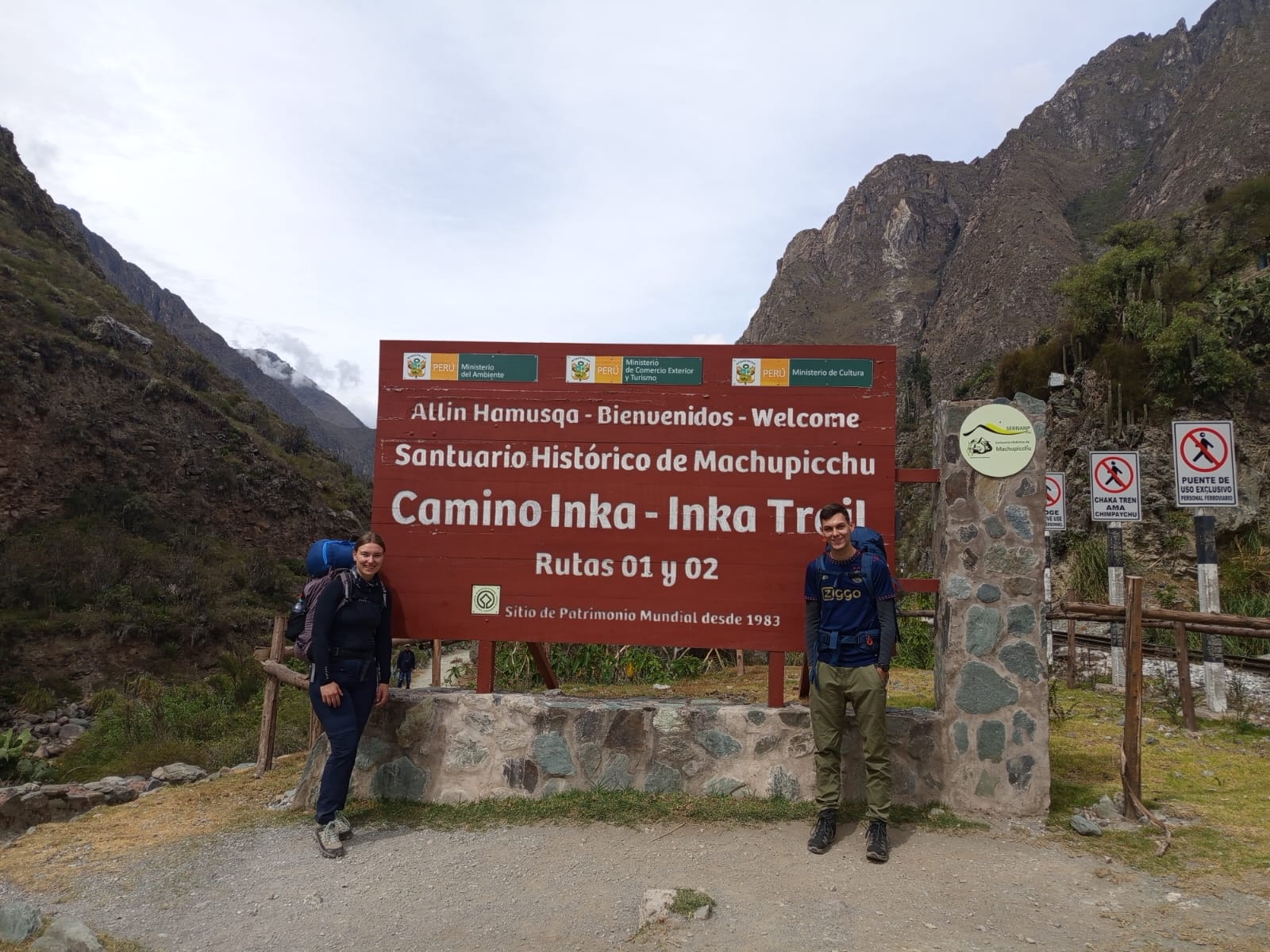
Bolivia sits between Peru and Chile, making it a natural bridge for multi-country South American trips. A classic route: Lima, Cusco, Machu Picchu (Inca Trail or Salkantay), Puno, Copacabana, La Paz, Uyuni, San Pedro de Atacama. This 4-6 week circuit covers the continent’s greatest hits while following a logical geographic flow. See our Peru travel guide and Chile travel guide for planning the full route.
Plan Your Bolivia Trip
Bolivia rewards travelers willing to embrace its challenges: high altitude, basic infrastructure in remote areas, and a pace that moves on Bolivian time. What you gain is access to landscapes and cultures that most South America visitors never see. Ready to explore?