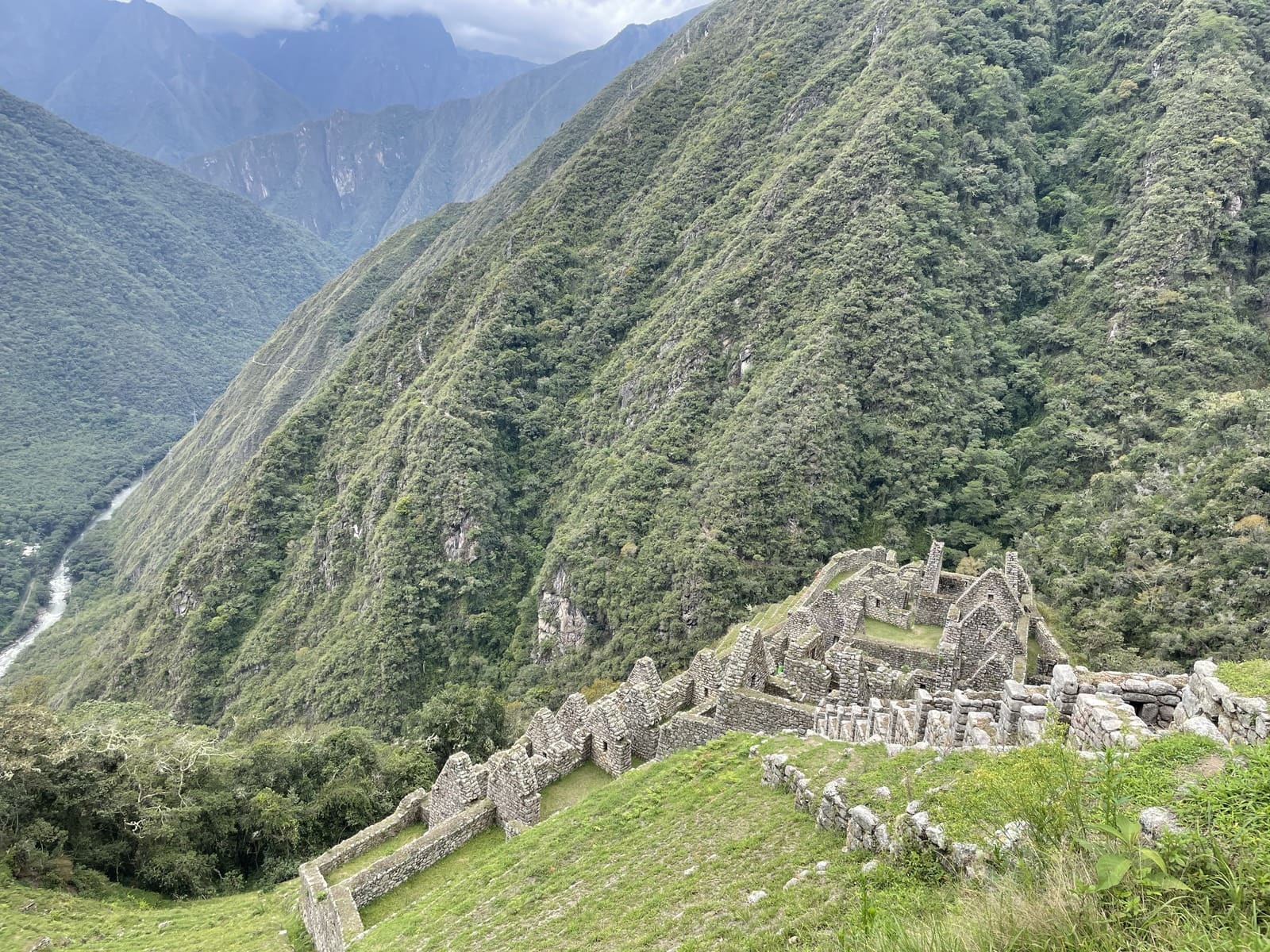
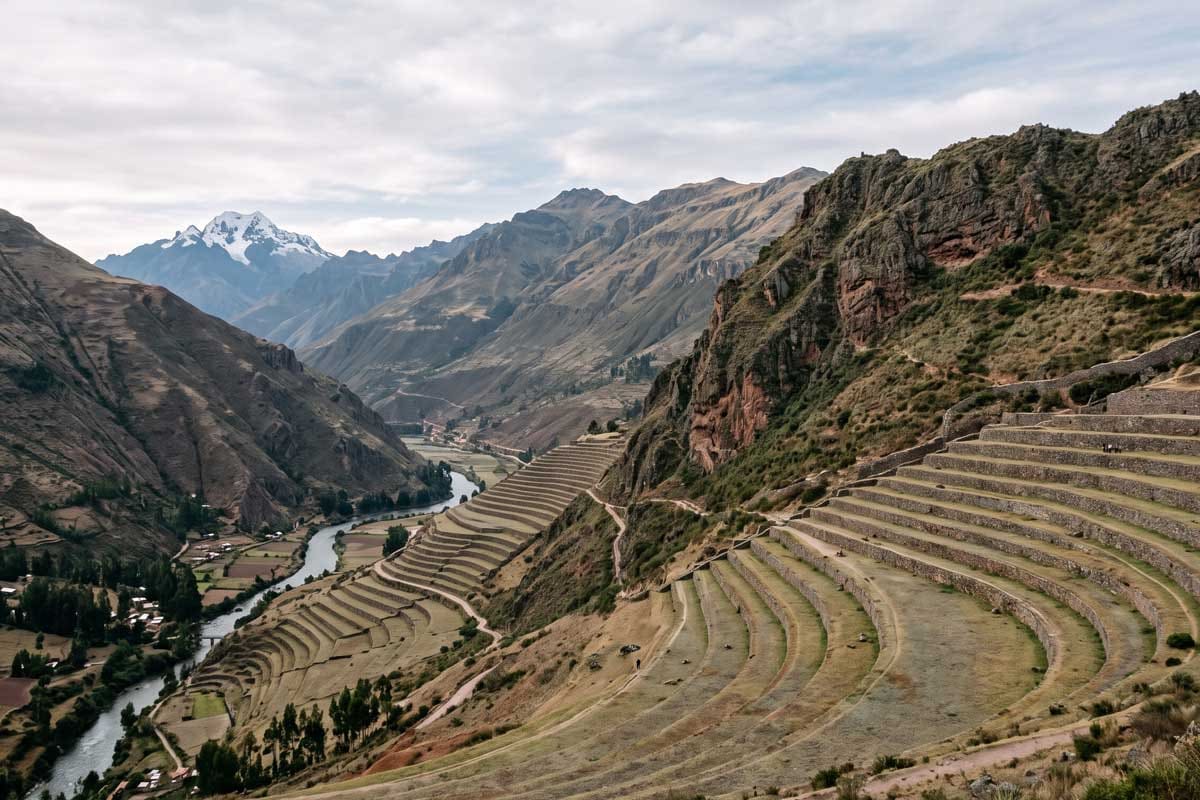
Peru draws travelers with a combination few countries can match: Inca archaeological sites, Andean mountain scenery, Amazon rainforest, Pacific coastline, and one of the world’s most celebrated food cultures. From the colonial streets of Cusco to the floating islands of Lake Titicaca, this is a country that rewards exploration.
Why Visit Peru?
Living History
Peru was the center of the Inca Empire, and its archaeological density surpasses any other country in the Americas. Machu Picchu, Cusco’s Inca walls, Sacsayhuaman, and the Sacred Valley’s agricultural terraces represent engineering achievements that still puzzle researchers. The Qhapaq Nan royal road network, a UNESCO World Heritage Site spanning over 30,000 kilometers, connected an empire stretching from Colombia to Chile.
Culinary Capital
Lima holds the title of South America’s culinary capital, home to three restaurants in the World’s 50 Best list (as of 2025). Ceviche, lomo saltado, and causa are staples, while the Nikkei and chifa fusion traditions reflect Japanese and Chinese immigration. Outside Lima, Cusco’s restaurant scene and Arequipa’s picanterias offer regional specialties worth building an itinerary around.
Geographic Range
Peru contains 84 of the world’s 117 life zones. In a single trip, you can walk Pacific desert dunes, cross Andean passes above 5,000 meters, and descend into Amazon rainforest canopy. This compression of ecosystems means a two-week trip can cover landscapes that would require months to experience elsewhere.
Regions to Explore
Cusco & the Sacred Valley
The former Inca capital sits at 3,400 meters, surrounded by archaeological sites, textile markets, and mountain scenery. The Sacred Valley towns of Ollantaytambo, Pisac, and Urubamba sit lower (2,800 m), making them useful acclimatization stops before higher-altitude activities. Cusco is the departure point for the Inca Trail and most Andean treks. For detailed route information, permits, and trail conditions, see our complete Peru trekking trail guide.
Arequipa & the Southern Canyons
Peru’s second city is built from white volcanic stone (sillar) and serves as the gateway to Colca Canyon (twice the depth of the Grand Canyon) and Cotahuasi Canyon (the deepest in the world at 3,535 m). Arequipa’s colonial center is a UNESCO site, and the city’s picanterias serve some of Peru’s best regional cooking. The surrounding volcanoes, including Misti (5,822 m) and Chachani (6,057 m), attract climbers year-round.
Lima
Most international flights arrive in Lima, and the city rewards a 2-3 day stop. The historic center is a UNESCO site; Miraflores and Barranco offer coastal walks, museums, and Peru’s best dining. The Larco Museum and Huaca Pucllana provide pre-Inca archaeological context. Lima’s mild coastal climate (15-28 degrees C, rarely rains) contrasts with the Andes.
Lake Titicaca & Puno
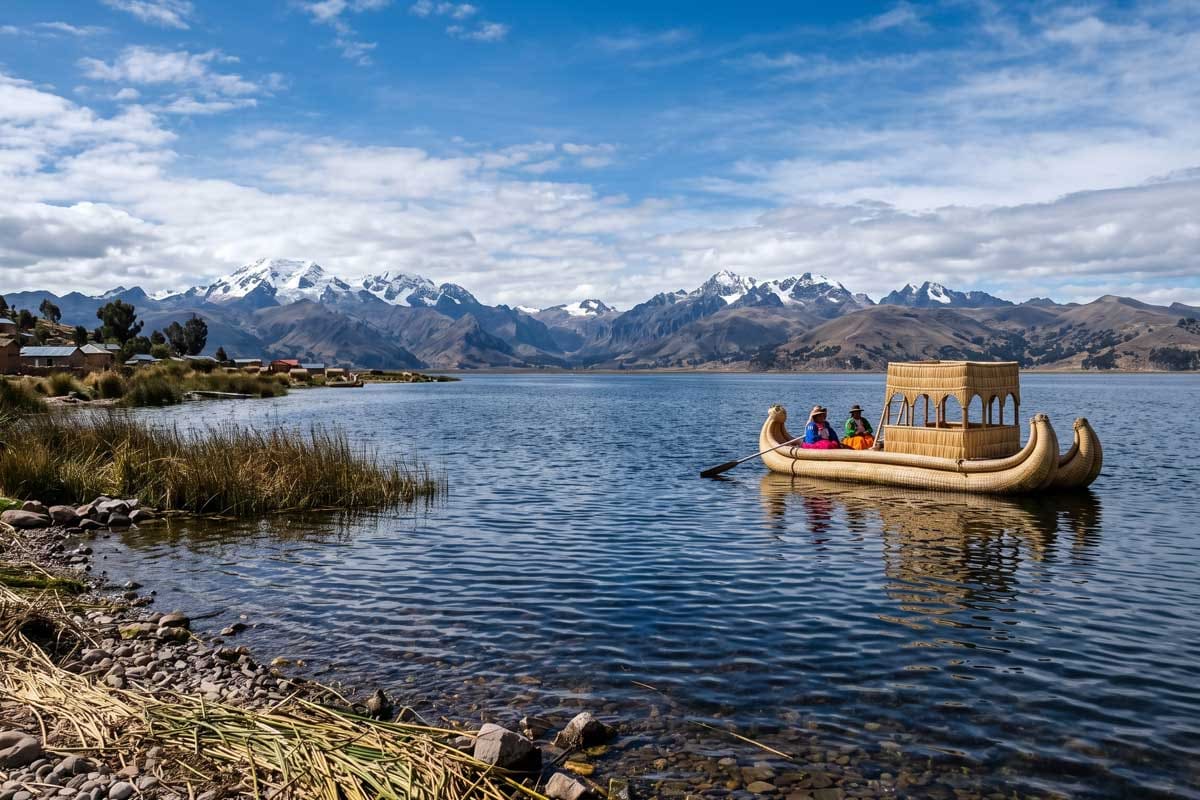
The world’s highest navigable lake (3,812 m) straddles the Peru-Bolivia border. The Uros floating islands and Taquile Island offer homestay experiences with indigenous communities. Puno is also the land crossing point to Bolivia (6-7 hour bus to La Paz via Desaguadero or Copacabana).
Amazon Basin
Peru’s Amazon covers 59% of the country. Iquitos (accessible only by air or river) and Puerto Maldonado (short flight from Cusco) are the main entry points. Tambopata and Manu national reserves offer wildlife viewing with lodges ranging from basic to high-end. Amazon trips pair well with Cusco-based itineraries.
Peru’s Hiking Trails
Peru is home to the Inca Trail, the Salkantay Trek, Rainbow Mountain, and dozens of other routes across the Andes. Our Peru trekking guide covers all major trails with difficulty ratings, permit requirements, seasonal conditions, and gear recommendations. Key highlights:
- Classic Inca Trail (4 days) – Peru’s most famous trek to Machu Picchu, limited to 500 daily permits. Trail details
- Salkantay Trek (5 days) – The most popular alternative route to Machu Picchu, no permit cap. Trail details
- Rainbow Mountain – High-altitude day hike (5,200 m) with mineral-striped slopes. Trail details
- Choquequirao (4-5 days) – Remote Inca ruins with a fraction of Machu Picchu’s visitors. Trail details
- Huayhuash Circuit (8-12 days) – One of the top alpine treks in South America. Trail details
Guided Tour Packages
As a licensed Peru trekking operator based in Cusco since 2006, we run guided adventures on all major routes. Packages include bilingual guides, camping equipment, porters, meals, and all permits.
Most Popular Tours
- Inca Trail 4 Days – The classic trek to Machu Picchu via the Sun Gate
- Salkantay Trek 5 Days – Alternative route with no permit cap
- Machu Picchu Full Day – Experience Machu Picchu without a multi-day trek
- Choquequirao to Machu Picchu – 11-day expedition linking two Inca citadels
Getting to Peru
Jorge Chavez International Airport (LIM) in Lima is the main gateway, with direct flights from Miami, Houston, Los Angeles, Atlanta, Madrid, Amsterdam, and major South American capitals. Flight time from the US East Coast is approximately 7 hours.
From Lima, domestic flights to Cusco take 1 hour ($60-150 one way via LATAM, Sky, or JetSmart). Arequipa and Puerto Maldonado are also connected by direct flights from Lima. The Lima-Cusco bus route takes 20+ hours and is best suited for travelers with flexible schedules. Airport Express Lima and AeroDirecto buses connect LIM to the Miraflores district in 45-60 minutes.
Overland crossings connect to Bolivia (Desaguadero and Copacabana on Lake Titicaca), Ecuador (Tumbes/Huaquillas, Macara), Chile (Tacna/Arica), and Brazil (river routes from Iquitos).
Visa & Entry Requirements
Most nationalities receive 90-day visa-free entry for tourism. Your passport must be valid for at least six months beyond your arrival date. Immigration officers may ask for proof of onward travel. Land borders issue physical entry stamps; airports use digital records. Extensions up to 183 days total are available through Lima’s Migraciones office. No COVID-19 entry requirements apply as of 2026.
Currency & Costs
Peru uses the Peruvian Sol (PEN). US dollars are widely accepted at tourist businesses in Cusco and Lima. ATMs (BCP, Interbank, Scotiabank) are common in cities but scarce in rural and trekking areas; withdraw cash before heading to trailheads or small towns. Credit cards work at hotels, restaurants, and tour operators in major destinations. Exchange rates are better at casas de cambio than at hotels or airports.
Daily budgets: backpackers $35-55 (hostels, local meals, public transport), mid-range $80-150 (hotels, restaurants, guided day trips), premium $200+ (boutique lodges, private guides, domestic flights). Trekking costs vary significantly by route and operator quality.
Language
Spanish is the official language. Quechua is spoken by about 13% of the population, primarily in the Andean highlands. English is spoken by tourism staff in Cusco, Lima, and major destinations, but minimal in rural areas. Guides on organized treks are typically bilingual. A few useful phrases: “Hola” (hello), “Gracias” (thank you), “Cuanto cuesta?” (how much?), “No entiendo” (I don’t understand).
Health & Altitude
Altitude is the primary health concern for Peru travelers. Cusco sits at 3,400 m, and most treks reach 4,000-5,200 m. Plan 2-3 acclimatization days before high-altitude activities. For detailed altitude prevention protocols, medication guidance, and trekking-specific health advice, see our Peru trekking guide.
No vaccinations are mandatory for entry. The CDC recommends Hepatitis A, Typhoid, and routine vaccines. Yellow fever vaccination is recommended for Amazon regions (Iquitos, Puerto Maldonado, Manu) but not required for Cusco, Lima, or the Inca Trail. Malaria prophylaxis is needed only for lowland rainforest areas. Tap water is not safe to drink; use bottled or treated water. Consult a travel medicine clinic 4-6 weeks before departure.
Best Time to Visit Peru
The best overall travel window is April through October, when the Andean highlands are dry and skies are clear. May through September offers the most reliable weather for both sightseeing and trekking. June to August is peak season with higher prices and full hotels in Cusco. The Inca Trail closes every February for maintenance.
Lima’s coast is warmest December to March. The Amazon is accessible year-round, with slightly less rain from June to October. For trail-specific seasonal conditions, snow levels, and permit availability windows, see our Peru trekking trail guide.
Safety
Peru is generally safe for tourists in established destinations. Cusco, Lima’s Miraflores and Barranco districts, and the Sacred Valley have dedicated Tourist Police (DIRTURE, dial 105). Use registered taxis or Uber in cities. Keep valuables secure in crowded areas. The VRAEM region in the southeast is off-limits due to security concerns. Travel insurance with high-altitude evacuation coverage is recommended for anyone planning treks above 3,000 m.
Expert Insight
“The biggest mistake first-time visitors make is rushing from Lima to Cusco and heading straight to Machu Picchu. Give yourself time in the Sacred Valley first. Ollantaytambo sits 600 meters lower than Cusco, the food is excellent, and you’ll sleep better at altitude. Two nights there before moving up to Cusco makes every trek afterward easier.” Raul Cjuno, Lead Guide, Inca Trail Reservations (guiding since 2005, 200+ Inca Trail completions)
Travel Planning Resources
- Peru Trekking Trail Guide – All trails, permits, difficulty ratings, and seasonal conditions
- Inca Trail Permits & Availability – Check 2026 permit status
- Inca Trail Regulations – Official rules and requirements
- Inca Trail Map – Interactive route maps
- Training for the Inca Trail – Fitness preparation guide
- Peru Weather – Seasons by region and month
Start Planning Your Peru Trip
Our Cusco-based team has guided thousands of travelers since 2006. Whether you need help choosing the right trek, booking permits, or building a full Peru itinerary, we can help.