
What the park published
Ecuador’s Galápagos National Park Directorate (DPNG) has issued new general visit rules and conduct norms for the islands’ protected areas. Resolution MAE-PNG/DIR-2026-0044-RM was signed in Puerto Ayora on August 12, 2026 and published in the Registro Oficial, Third Supplement No. 368, on September 14. The resolution, posted on the park’s own website, says it took effect when it was signed, so the rules already apply.
It covers how close visitors can get to wildlife, when a guide is required, which sites must be booked in advance, what can be photographed, filmed or flown, and what visitors may bring into the protected areas.
Minimum distances from wildlife
When hiking, snorkeling, freediving or diving, visitors must stay at least 2 meters from wildlife. In a kayak, on a paddleboard or on a panga ride, the minimum rises to 4 meters. Boats must keep at least 100 meters from whales and 50 meters from dolphins, doubled when calves are in the group, and must begin their approach from 400 meters for whales and 200 meters for dolphins. Touching, feeding, pursuing or handling animals is prohibited, even when they are dead.
Personal photography is allowed without flash or equipment that could change animal behavior. Professional photography or filming, drones, remote cameras and other aerial or underwater equipment need prior authorization from the park. FM Mundo reports that motorized watercraft, tourist submarines and aerial tourism are not permitted within the protected areas.
Guides and advance booking
Visits to the protected areas must be made with a Galápagos naturalist guide accredited by the park, except at sites the DPNG has expressly designated as not requiring one. The published reports do not list which sites are exempt.
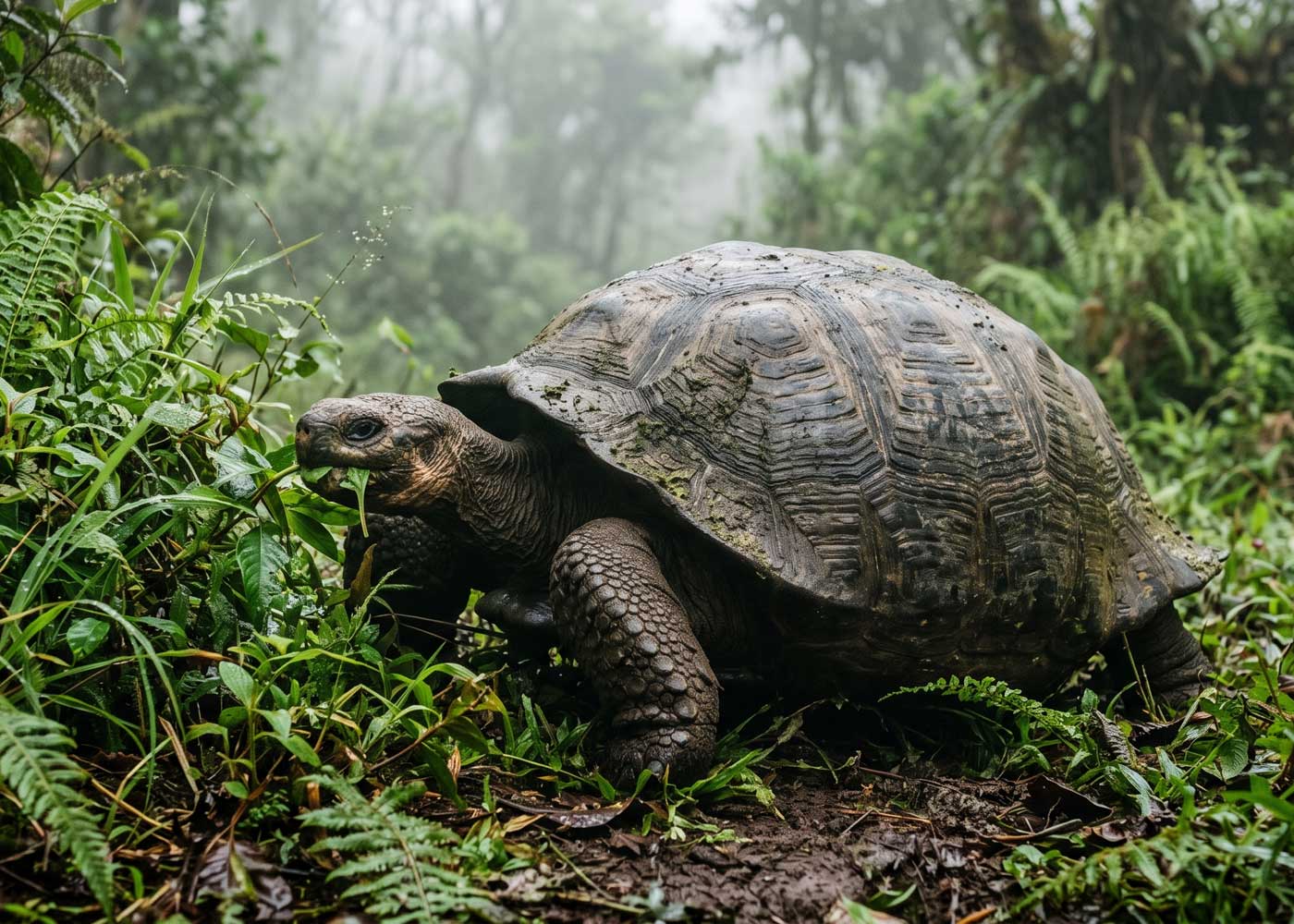
According to El Telégrafo, advance reservation will apply initially to the giant tortoise breeding centers Fausto Llerena–Ruta de la Tortuga (Santa Cruz), Arnaldo Tupiza (Isabela) and David Rodríguez (San Cristóbal), plus Las Grietas (Santa Cruz) and Volcán Chico and Minas de Azufre (Isabela). The reports cited here do not explain how or where those reservations are made. Vistazo reports that general visiting hours at authorized sites remain 06:00 to 18:00.
Plastics, sunscreen and penalties
Vistazo reports that single-use plastics may not be brought into the protected areas and that sunscreens containing oxybenzone or octinoxate are banned during water activities. FM Mundo adds that the sunscreen restriction also covers other compounds that can harm marine ecosystems.
Vistazo also reports that minor or serious breaches, such as getting too close to wildlife, flying a drone without a permit or bringing in banned plastics, carry fines calculated in Ecuador’s unified basic salaries and immediate expulsion from the site, under existing law rather than the new resolution. Photos or videos posted on TikTok, Instagram or Facebook that show prohibited conduct can be used as evidence in administrative proceedings against visitors or tour operators.
What it means if you add Galápagos to a Peru trip
For travelers pairing Machu Picchu with Ecuador, the practical changes are small but real. Las Grietas, Volcán Chico, Minas de Azufre and the three tortoise centers now need to be booked ahead, so confirm those visits with your Galápagos operator when the itinerary is set. Check sunscreen ingredients before you pack, leave the drone at home unless you have a park permit, and expect to visit protected sites with a naturalist guide. Our Galápagos Islands guide covers park fees, the main islands and how to combine them with the Inca Trail.
Sources
- Registro Oficial – Tercer Suplemento No. 368 (Resolution MAE-PNG/DIR-2026-0044-RM, 14 Sep 2026)
- Dirección del Parque Nacional Galápagos – Resoluciones DPNG (MAE-PNG/DIR-2026-0044-RM)
- FM Mundo – Nuevas restricciones para los visitantes de Galápagos ya están vigentes (16 Sep 2026)
- El Telégrafo – Estas son las nuevas reglas para visitar Galápagos (18 Sep 2026)
- Vistazo – Parque Nacional Galápagos actualiza sus reglas de visita (21 Sep 2026)
- Primicias – ¿Viaja a Galápagos? Estas son las nuevas reglas para visitar las áreas protegidas (21 Sep 2026)
