
Humantay Trail: Route Data to the Glacial Lake

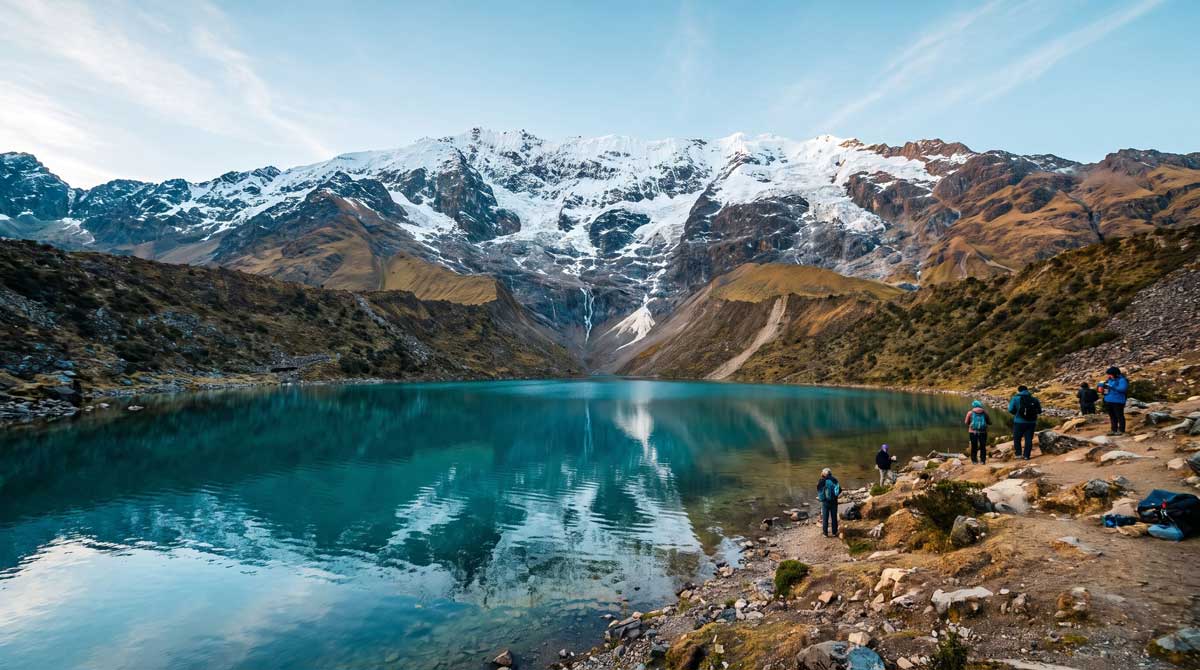
Turquoise Glacial Lake Below Salkantay Mountain

Scroll
  1. Moderate Difficulty
  2. 6.4km Total Distance
  3. 4,200m Max Elevation
  4. 1day Duration

May to September (dry season with clearest lake colors)

Best Season

Interactive Trail Map

Trail Route

Trail Information

Essential Stats

Distance

6.4 km

Duration

1 Day

Difficulty

Moderate

Max Elevation

4,200 m

Trail Details

Trail Status

Open

Starting Coordinates

-13.3794, -72.5844

Best Season

May to September (dry season with clearest lake colors)

Andean Survey · Altitude Data

Elevation Profile

4,200 m
Peak
+350 m
Gain
4
Points
Humantay Trail: Route Data to the Glacial Lake – Elevation Profile Trail waypoints: Soraypampa Trailhead Parking at 3,850 m, Alpine Meadow Section at 3,950 m, Steep Ascent Base at 4,050 m, Humantay Lake at 4,200 m 3,798 3,949 4,101 4,253 ELEVATION (M) 1 2 3 4 4,200 m
STN 01
Soraypampa Trailhead Parking
3,850 m
Start
STN 02
Alpine Meadow Section
3,950 m
STN 03
Steep Ascent Base
4,050 m
STN 04
Humantay Lake
4,200 m
Peak

Humantay Lake delivers one of Peru’s most photographed natural wonders in a challenging day hike from Cusco. This turquoise glacial lake sits at 4,200 meters elevation in a dramatic cirque below the snow-capped Humantay and Salkantay mountains, offering spectacular high-altitude scenery accessible within a single day from Cusco.

For comprehensive planning resources about day hikes and multi-day treks in the Cusco region, visit our detailed Cusco travel guide covering acclimatization strategies, seasonal considerations, and regional hiking options.

Trail Overview and Route

The journey begins with a 3 to 3.5-hour pre-dawn drive from Cusco (departing 4:00 to 5:00 AM) covering 100 kilometers via Limatambo to Soraypampa at 3,850 meters. After breakfast at the trailhead, the hike climbs 6.4 kilometers round trip gaining 440 meters elevation to reach Humantay Lake at 4,200 meters.

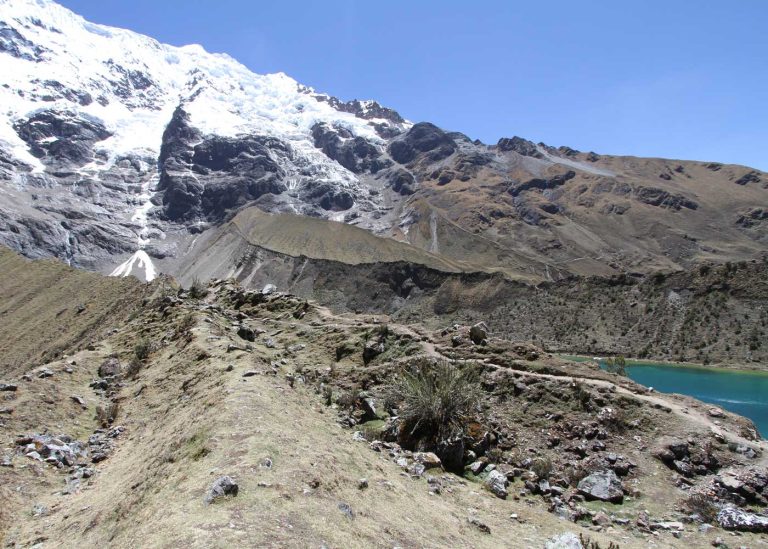
The trail ascends steadily through high-altitude grassland on a well-defined path marked by cairns and occasional signs. The first section maintains moderate gradient through open terrain where herds of alpacas and llamas graze. After approximately 45 minutes, the trail steepens significantly with sandy switchbacks testing endurance in thin air.

The final approach to the lake involves the steepest section – loose, sandy switchbacks where every step requires effort at extreme altitude. Most hikers require 1.5 to 2 hours to reach the lake from trailhead, though fit and well-acclimatized trekkers complete the ascent in 1 to 1.5 hours. Descent takes 1 to 1.5 hours, with total hiking time approximately 3 to 4 hours including lake exploration.

After returning to Soraypampa for lunch, the tour drives back to Cusco, typically arriving between 6:00 and 7:00 PM, completing a 14 to 15-hour day.

The Lake and Glacial Setting

Humantay Lake’s stunning turquoise color results from glacial flour – fine rock particles suspended in the water created by glacial grinding. The lake sits in a dramatic cirque surrounded by steep mountain walls, with the Humantay glacier feeding the lake from above and Salkantay Mountain (6,271 meters) dominating the skyline.

The color intensity varies by season, time of day, and recent weather. Dry season (May through September) produces the most vivid turquoise under clear skies and bright sunlight. Cloudy conditions mute the color to gray-blue. Early morning light (reaching the lake around 9:00 to 10:00 AM) creates the best photography conditions with softer light illuminating the water.

Many visitors place stone offerings (apachetas) at the lake’s edge following Andean tradition of making offerings to Apus (mountain deities). The practice creates photogenic stone piles, though excessive rock stacking has raised environmental concerns in recent years.

Altitude Challenge

The hike’s primary difficulty comes from extreme altitude rather than technical terrain. At 4,200 meters, the lake sits at elevation equivalent to many Colorado mountain summits, with oxygen levels approximately 60 percent of sea level. This creates significant breathing difficulty even for fit hikers, especially on the steep final section.

Proper acclimatization is essential. Spend minimum 2 days in Cusco (3,400 meters) before attempting Humantay Lake. Better preparation includes 3 days with acclimatization activities like exploring Cusco’s hills (Cristo Blanco, Sacsayhuaman) or visiting Sacred Valley towns. Those arriving directly from sea level face high altitude sickness risk.

Common symptoms at this elevation include severe shortness of breath, headache, nausea, dizziness, and extreme fatigue. Walk slowly and steadily, breathing deeply and frequently. Rest as needed – there’s no shame in taking multiple breaks on the steep sections. Stay hydrated with 2 to 3 liters water throughout the day. Inform your guide immediately if symptoms become severe.

Best Season and Weather

May through September dry season provides optimal conditions with clear skies, minimal rain, and best visibility of surrounding peaks. June, July, and August offer most reliable weather and the most vivid lake colors, though these months bring highest tourist numbers with 200 to 300 daily visitors during peak periods.

November through March rainy season brings afternoon thunderstorms, muddy trail conditions, and obscured mountain views. However, fewer crowds (50 to 100 daily visitors) and 20 to 30 percent lower tour prices attract those willing to accept weather variability. Morning departures usually encounter better conditions before afternoon storm development.

April and October shoulder months balance reasonable weather with moderate crowds and competitive pricing. Temperature at the lake typically ranges from 5 to 15 degrees Celsius during the day, dropping below freezing at night. Wind chill can make conditions feel significantly colder – bring warm layers even in summer months.

Tour Options and Costs

Most visitors book organized day tours from Cusco ranging from 35 to 100 USD depending on group size and service quality. Budget tours (35 to 50 USD) use large buses with 30 to 40 participants, provide basic breakfast and lunch, and include bilingual guide. Mid-range tours (60 to 80 USD) offer smaller groups, better meals, and more personalized attention.

Premium tours (80 to 100 USD) provide small groups (maximum 10 to 12 people), upgraded transportation, comprehensive meals, oxygen availability, and experienced guides trained in altitude emergency response. Private tours start around 150 to 200 USD for couples offering maximum flexibility and personalized pacing.

All tours include round-trip transportation from Cusco, breakfast, lunch, guide services, and entrance fees. Not included: tips for guides and drivers (budget 10 to 15 USD total), extra snacks, travel insurance, and optional horse rental for those unable to complete the hike on foot (70 to 90 soles one-way).

Horse Rental Option

Local families at Soraypampa offer horses for those unable or unwilling to hike to the lake. Horses can climb to approximately 100 meters below the lake, requiring a short final walk. One-way horse rental costs 70 to 90 soles (approximately 20 to 25 USD), round-trip costs 100 to 130 soles.

Horse use is controversial. While providing access for those with limited mobility or severe altitude sensitivity, the practice contributes to trail erosion and raises animal welfare concerns. Horses are generally small Andean breed adapted to altitude but work long hours carrying tourists. Consider carefully whether horse rental aligns with your values and physical necessity.

Essential Preparation and Gear

Layer clothing for temperature fluctuation from warm vehicle to cold wind at the lake. Essential items include waterproof hiking boots or sturdy trail runners, warm layers (fleece or down jacket), rain jacket regardless of season, sun hat, warm beanie, gloves, sunglasses with UV protection, and high SPF sunscreen (UV radiation is extreme at this altitude with no shade).

Bring 2 to 3 liters water, high-energy snacks (energy bars, chocolate, nuts) for blood sugar maintenance, personal medications including pain relievers for altitude headaches, and camera with extra batteries (cold drains batteries quickly). Trekking poles significantly help on steep, loose sections though not essential for those with good balance and knees.

Pack lightly – you’re hiking at extreme altitude where every extra kilogram creates additional breathing difficulty. A small daypack with just essentials suffices. Avoid large backpacks unless carrying professional camera equipment.

Related Tours and Extensions

Humantay Lake serves as the first day’s side trip on the Salkantay Trek to Machu Picchu, offering those interested in multi-day trekking the opportunity to experience the lake as part of a comprehensive 5-day journey. The Salkantay route provides extended high-altitude and cloud forest trekking for those seeking more than a day hike.

For alternative day hikes from Cusco, consider Rainbow Mountain (5,200 meters, more challenging) or easier options like Sacsayhuaman archaeological walks. The Lares Valley Trek combines moderate trekking with cultural village visits for those seeking balanced adventure.
Trail Information

Getting There
Access
From Cusco: Tours provide 4:00-5:00 AM pickup for 3-3.5 hour drive (100 km) via Limatambo and Mollepata to Soraypampa parking area at 3,850 m. Route follows paved Cusco-Abancay highway to Limatambo, then unpaved road through Mollepata valley. Morning departure essential to reach lake before afternoon weather deterioration and return Cusco before nightfall. Independent option: Bus from Cusco Terminal Terrestre to Mollepata (3 hours, 15 soles, departures 5:00 AM), then negotiate taxi/colectivo to Soraypampa (1-1.5 hours, 80-100 soles, may require chartering vehicle). Return same route departing Soraypampa early afternoon to connect with Cusco-bound transport from Mollepata. Road conditions deteriorate significantly in rainy season.
Parking
Large dirt parking area at Soraypampa trailhead accommodates tour buses and private vehicles. Informal attendants offer vehicle watching for tips (5-10 soles for day). No official parking fee. Local families sell drinks, snacks, and rent horses at trailhead. Parking area elevation 3,850 m – begin altitude adjustment here before hiking. Tour groups typically stop for breakfast at parking area before starting hike.
Nearest Town
Mollepata (2,900 m) – 2.5 hours from Cusco, 1 hour from Soraypampa trailhead. Basic supplies, simple restaurants, basic hostels (20-30 USD/night). Last reliable services before hike. Soraypampa trailhead has parking area and basic facilities but no town. Cusco (100 km, 3-3.5 hours) provides all comprehensive services including medical facilities. Cusco Hospital Regional (+51 84 223691) nearest facility for serious altitude emergencies requiring evacuation from trail.
Permits & Fees
Permits Required
No permits required. Entrance fee 10 soles (approximately 3 USD) collected at Soraypampa trailhead. No advance booking needed. No daily visitor limits though trail can be crowded during peak season (200-300 visitors on busy days June-August). Tours can be booked as late as one day before departure.
Trail Fees
Organized day tours from Cusco range 35-100 USD depending on group size and service quality. Budget tours (35-50 USD) include transport, basic meals, guide, entrance fee. Mid-range tours (60-80 USD) offer smaller groups and better meals. Premium tours (80-100 USD) provide small groups (10-12 max), upgraded service, oxygen availability. Private tours 150-200 USD for couples. Independent option: Bus Cusco to Mollepata (3 hours, 15 soles), taxi to Soraypampa (1.5 hours, 80-100 soles negotiable), entrance fee 10 soles, totaling approximately 30 USD plus meals. Optional horse rental 70-90 soles one-way, 100-130 soles round-trip.
On the Trail
Equipment
ESSENTIAL: Waterproof hiking boots or sturdy trail runners (broken in), warm layers (fleece or down jacket – temperatures 5-15°C at lake), rain jacket and pants (weather changes rapidly), sun hat, warm beanie, gloves, sunglasses UV400 (essential for snow reflection), sunscreen SPF 50+ (reapply hourly), lip balm SPF, 2-3 liters water capacity, high-energy snacks (bars, chocolate, nuts), small daypack (15-20L sufficient), personal medications (pain relievers for altitude headaches), camera with extra batteries (cold drains power). RECOMMENDED: Trekking poles (helpful on steep loose sections), hand warmers for cold mornings, extra clothing layer in pack, headlamp (in case of late return), personal first aid kit. NOT NEEDED: Large backpack, camping gear, excessive clothing changes – pack light as every extra kilogram makes altitude breathing harder. Tours provide breakfast and lunch – only bring supplemental snacks.
Best Season
May to September (dry season with clearest lake colors)
Camping
No camping – this is a day hike only returning to Cusco same day. Total excursion time 14-15 hours (4:00 AM departure, 6:00-7:00 PM return). Accommodation available in Mollepata village (basic hostels 20-30 USD/night) for those wanting to split the drive, though most tours depart Cusco directly. Multi-day trekkers doing Salkantay Trek camp at Soraypampa after Humantay Lake side trip, continuing to Machu Picchu over 4 additional days.
Safety
Safety Tips
Pace yourself slowly from start – rushing increases altitude sickness risk. Take frequent breaks on steep sections – every 50-100 meters acceptable. Breathe deeply and consciously – thin air requires deliberate breathing pattern. Stay hydrated 2-3 liters minimum as altitude increases dehydration. Eat breakfast and bring high-energy snacks – blood sugar drops faster at altitude. Layer clothing for temperature swings from warm bus to cold windy lake. Apply sunscreen hourly – UV radiation extreme at 4,200 m with snow reflection. Wear sunglasses always to prevent snow blindness. Test your limits early on trail – turn back if symptoms worsen rather than pushing to lake. Inform guide of pre-existing medical conditions and altitude symptoms immediately. Avoid alcohol 24 hours before hike. Get good sleep night before despite early wake-up. Follow Leave No Trace principles – pack out all trash. Respect local customs around stone offerings. Download offline maps as backup navigation.
Altitude Warning
CRITICAL: Humantay Lake reaches 4,200 m – equivalent to many Colorado mountain summits. Oxygen levels approximately 60% of sea level. Acclimatize minimum 2 days (preferably 3) in Cusco (3,400 m) before attempting. Altitude sickness symptoms universal at this elevation including severe shortness of breath, headache, nausea, dizziness, extreme fatigue. Walk slowly and steadily, rest frequently without shame. Hydrate 2-3 liters throughout day. Inform guide immediately if severe symptoms develop (persistent vomiting, confusion, inability to walk straight, extreme breathing difficulty). Most altitude issues resolve with slow pacing and proper acclimatization. Consider altitude medication (Diamox) after doctor consultation if history of altitude sensitivity. Tours provide oxygen cylinders for emergencies. Do NOT attempt if arriving Cusco from sea level same day or previous day – allow acclimatization time.
Water Sources
No reliable natural water sources along trail – bring all water from Cusco or purchase at Soraypampa. Tour operators typically provide bottled water. Bring minimum 2-3 liters personal capacity. Do not drink from streams or lake (glacial silt causes digestive issues). Dehydration accelerates altitude sickness – drink constantly even when not thirsty. Tours provide water at breakfast/lunch but carry sufficient for hiking portion.
Navigation
Trail Signage
Well-marked trail with clear path visible entire route due to heavy use. Cairns and occasional painted markers guide the way. Path is obvious – impossible to get lost in good weather. Final steep section has clear sandy switchback trail. GPS not necessary but useful for tracking elevation gain. Fog can reduce visibility but trail remains obvious underfoot. No junctions or navigation decisions required – single path from parking area to lake and return. Horse traffic keeps trail well-defined.
Guide Requirement
Guides not legally required for independent hikers. Trail is straightforward with no navigation challenges. However, guides provide valuable altitude management advice, cultural context, pacing strategies for thin air, emergency support with oxygen, and transportation coordination. Tours include guide services making logistics seamless. Independent hiking possible for those with altitude experience, though 90% of visitors use organized tours for convenience and early morning transportation from Cusco. Solo hiking safe in good weather on well-traveled trail but inform hotel of plans and carry fully charged phone despite limited coverage.
Cell Coverage
Limited to no cellular signal at Soraypampa trailhead and along trail. Possible intermittent signal with Claro or Movistar in parking area but unreliable. No coverage at lake itself. Download offline maps (Maps.me, Google Maps offline) before departure from Cusco. Tour guides carry emergency communication. Do not depend on phone for navigation or emergency calls. GPS functionality works without cell signal for tracking. Coverage returns approaching Mollepata on return journey. Inform family/friends of communication blackout period during day hike.

Emergency Information

Know before you go – important emergency contacts

Tourist Police Cusco (DIRTURE) +51 84 221961 24/7 English-speaking emergency assistance. WhatsApp: +51 980 122335 for emergencies when coverage available.
National Police Emergency 105 Peru national emergency line. Free from any phone. No coverage at trail but use from Mollepata or Cusco.
Medical Emergency (SAMU) 106 National ambulance. Cusco Hospital Regional: +51 84 223691. Clinica Pardo: +51 84 240387 (English staff, altitude expertise)
Mountain Rescue Cusco +51 984 621369 High-altitude emergency coordination. Contact through tour operator or from areas with cell coverage.

Frequently Asked Questions

Humantay Lake is rated Moderate but altitude makes it feel Hard for those without acclimatization. At 4,200 meters with oxygen at 60% of sea level, even fit hikers experience severe breathlessness on steep sections. Primary challenge is altitude rather than distance (only 6.4 km round-trip). Proper acclimatization (2-3 days in Cusco minimum) is critical – those arriving from sea level same day or previous day often turn back due to altitude sickness. With proper acclimatization and slow pacing, moderately fit people complete successfully, though expect it to be much harder than equivalent distance at sea level. The trail itself is non-technical with no dangerous exposure – just steep, sandy switchbacks requiring persistence in thin air.

Humantay Lake is undeniably beautiful – the turquoise glacial waters below massive peaks create stunning scenery worthy of Peru’s most photographed landscapes. However, during peak season (June-August), 200-300 daily visitors can crowd the small lake area reducing the wilderness feel. Budget tours bring large groups creating congestion. Despite crowds, most visitors still find the lake worth the effort for the spectacular natural beauty and high-altitude mountain scenery. To maximize experience: book premium tours with smaller groups, visit during shoulder season (April-May or September-October) for half the crowds, arrive early (first groups around 9:00 AM), or consider visiting as part of multi-day Salkantay Trek rather than as day-hike destination. The lake’s beauty transcends the crowds for those with realistic expectations.

Hiking is recommended if physically capable. The sense of achievement reaching 4,200 meters on foot enhances the experience. Horses can only climb to approximately 100 meters below the lake, requiring final steep section on foot anyway. Consider horse rental (70-90 soles one-way) only if: severe altitude sensitivity makes hiking unsafe, physical limitations prevent completion, knee/joint problems make descent dangerous, or age/fitness level makes climbing inadvisable. Note that horses work long hours, trail erosion from horse traffic is significant, and animal welfare varies by operator. Most visitors under 65 with reasonable fitness complete the hike on foot with slow pacing and rest breaks. Don’t rent horses out of laziness – the physical challenge is part of the experience.

Aim to reach the lake between 9:00 and 10:30 AM for optimal light and conditions. Early tours departing Cusco at 4:00 AM position you at the lake during morning light when sun illuminates turquoise water most vividly without harsh midday glare. This timing also avoids afternoon cloud development that obscures peaks and mutes lake colors by 1:00-2:00 PM. First groups (arriving around 8:30-9:00 AM) have fewer people for cleaner photos but colder temperatures and possible morning mist. Groups arriving 10:00-11:00 AM encounter warmer conditions, clearest visibility, best color saturation, but more crowds. Afternoon arrivals (noon+) face highest crowds, developing clouds, and less dramatic lighting. Book tours departing Cusco between 4:00-5:00 AM for ideal lake timing.

Age alone doesn’t determine capability – altitude tolerance and fitness matter more. Children as young as 8-10 years with proper acclimatization and good health complete the hike successfully, though parents should monitor altitude symptoms closely and be prepared to turn back if needed. Elderly hikers (60-75 years) in good cardiovascular health with previous high-altitude experience manage the trail with slow pacing and rest breaks. Consult doctors before attempting, especially if over 65 or with heart/respiratory conditions. Many older visitors successfully complete the hike – fitness and acclimatization matter more than age. Horse rental available for those who start hiking but struggle with altitude. Key factors: 2-3 days Cusco acclimatization beforehand, honest assessment of fitness level, willingness to turn back if symptoms worsen, and patience with slow pace in thin air.

Balance budget and quality. Budget tours (35-50 USD) work fine if you’re comfortable with large groups (30-40 people), basic meals, and minimal personal attention – you’ll see the same lake regardless of price. Mid-range tours (60-80 USD) offer smaller groups (15-20 people), better food, more knowledgeable guides, and flexibility for slower-paced participants. Premium tours (80-100 USD) provide small groups (10-12 max), upgraded meals, oxygen availability, experienced guides trained in altitude emergencies, and better vehicles. Choose premium if altitude sensitive, prefer personalized attention, or value comfort over savings. Budget works for young, fit travelers comfortable with crowds. Mid-range offers best value for most visitors. Book through reputable agencies with good reviews – cheapest tours sometimes cut corners on safety equipment and guide quality which matters at 4,200 meters.