
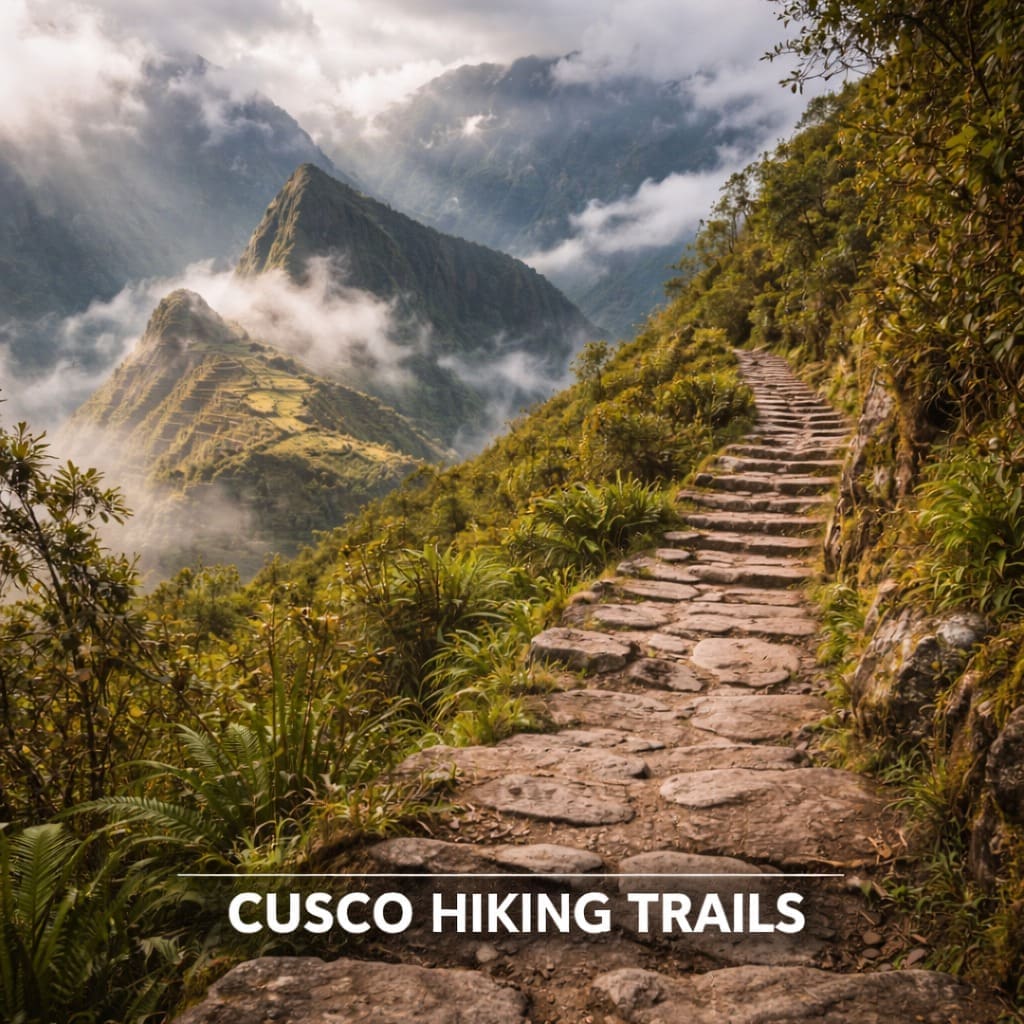
Top Hiking Trails in Cusco Trail Map
Cusco Region covers 71,987 km² in Peru's southern highlands, spanning elevations from 2,000 m in the Apurimac valley to 6,271 m at Ausangate peak. The region encompasses diverse terrain including high-altitude puna grasslands, cloud forests, glaciated mountains, and deep river valleys. Major geographic features include the Cordillera Vilcanota mountain range (home to Ausangate and Rainbow Mountain), the Urubamba Valley (Sacred Valley), and the Apurimac Canyon. The region experiences distinct wet and dry seasons, with most trails accessing remote areas requiring 2-8 days to complete.
Explore the Best Trails in Cusco
Cusco Region offers world-renowned trekking routes including the Classic Inca Trail, Salkantay Trek, Lares Trek, Ausangate Circuit, and Choquequirao. Located at 3,400 m elevation in the Peruvian Andes, this region features trails ranging from moderate day hikes to challenging multi-day expeditions through alpine terrain, cloud forests, and ancient Inca sites. The region spans elevations from 2,000 m to 6,271 m (Ausangate peak), with most trails requiring advance permits and altitude acclimatization.
Geographic Overview
Cusco Region covers 71,987 km² in Peru’s southern highlands, spanning elevations from 2,000 m in the Apurimac valley to 6,271 m at Ausangate peak. The region encompasses diverse terrain including high-altitude puna grasslands, cloud forests, glaciated mountains, and deep river valleys. Major geographic features include the Cordillera Vilcanota mountain range (home to Ausangate and Rainbow Mountain), the Urubamba Valley (Sacred Valley), and the Apurimac Canyon. The region experiences distinct wet and dry seasons, with most trails accessing remote areas requiring 2-8 days to complete.
Cultural Context
Former capital of the Inca Empire (1438-1533), Cusco remains the archaeological and cultural heart of Peru. The region contains hundreds of Inca sites including Machu Picchu, Sacsayhuaman, Ollantaytambo, and Choquequirao. Quechua language and traditions persist in rural communities along trekking routes. The Classic Inca Trail follows original Inca road network (Qhapaq Ñan), while other routes pass through traditional weaving villages and agricultural terraces still in use after 500+ years. UNESCO World Heritage designation protects both archaeological sites and living cultural traditions.
Best Time to Visit
May to September (dry season, ideal trekking conditions)
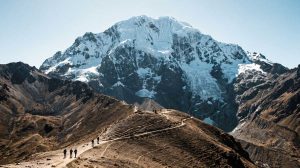
Salkantay Trek Distance, Elevation and Map
The Salkantay Trek in numbers: about 69 km from Challacancha (74 km from Mollepata), Salkantay Pass at 4,650 m, and…
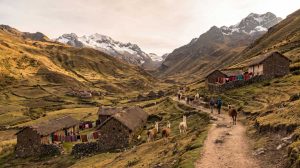
Lares Trail: Route Data & Elevation Profile
Trek the Lares Valley through traditional Andean communities to Machu Picchu. Experience authentic Quechua culture on this 4-day alternative to…

Vinicunca Trail: Rainbow Mountain Route Data & Elevation
Trek to Rainbow Mountain at 5,200m elevation. Witness Peru's natural wonder with striped mineral formations in vibrant colors. Full-day adventure…
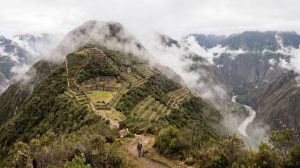
Choquequirao Trail: Route Data & Elevation Profile
Trek 64 km to Choquequirao, the remote sister city of Machu Picchu. 5 days through dramatic Apurimac Canyon with challenging…
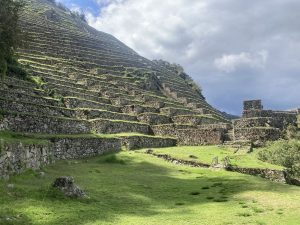
Classic Inca Trail: Route Data & Elevation Profile
Trek the legendary 42 km Inca Trail through cloud forests to Machu Picchu. 4 days of ancient stone paths, stunning…
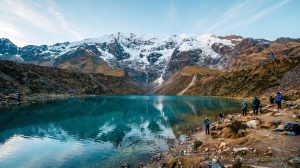
Humantay Trail: Route Data to the Glacial Lake
Trek to stunning turquoise Humantay Lake at 4,200 m elevation. Challenging 6 km day hike from Cusco featuring glacial waters…
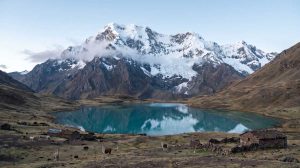
Ausangate Trail: Route Data & Elevation Profile
Circle Peru's sacred Ausangate Mountain on this expert-level 6-day trek. Traverse five passes above 5,000 m through remote high-altitude wilderness…
Frequently Asked Questions about Top Hiking Trails in Cusco
Book Inca Trail permits 3-6 months in advance minimum, with 6+ months essential for peak season (June-August). Only 200 trekker permits available daily (500 total including guides and porters). Permits are non-transferable and require exact passport details. Alternative treks like Salkantay, Lares, and Ausangate require no permits but book tours 1-2 months ahead for dry season to secure preferred dates and operators.
Fitness requirements vary by trail. Moderate treks (Lares, Rainbow Mountain day hikes) require ability to walk 4-6 hours daily with daypack on uneven terrain. Hard treks (Classic Inca Trail, Choquequirao) need capacity for 6-8 hours daily hiking with sustained climbs totaling 600-900 m daily ascent. Expert treks (Ausangate Circuit) demand 7-10 hours daily over high passes to 5,200 m. All require 2-3 days altitude acclimatization in Cusco (3,400 m) before starting. Cardio training recommended 8-12 weeks before departure.
May through September dry season offers best trekking conditions with minimal rainfall, clear mountain views, and stable trails. June-August is peak season with warmest temperatures but highest tourist numbers requiring advance bookings. Shoulder months (April, October) provide good weather with fewer crowds. November-March wet season brings afternoon storms and muddy conditions but lower prices and availability. Inca Trail closes every February for maintenance. High passes above 4,500 m can experience snow and freezing temperatures year-round.
Yes, comprehensive travel insurance with high-altitude trekking coverage (to 6,000 m) and emergency evacuation is essential. Most policies exclude activities above 3,000-4,500 m unless specified. Helicopter evacuation from remote trails costs 5,000-15,000 USD without insurance. Ensure policy covers trip cancellation (permit fees non-refundable), medical treatment, lost gear, and repatriation. Verify coverage includes specific trails planned. World Nomads, True Traveller, and Battleface offer trekking-specific policies. Review exclusions for pre-existing conditions.
Classic Inca Trail requires licensed tour operator by law – independent hiking is prohibited. Other major treks (Salkantay, Lares, Ausangate, Choquequirao) legally allow independent hiking, but guides are strongly recommended. Trails pass through remote areas with limited rescue access, altitude-related medical risks, challenging navigation, and language barriers with local communities. Most independent trekkers hire guides for safety, cultural insights, and logistics. Day hikes to Rainbow Mountain and Humantay Lake can be done independently with proper preparation and acclimatization.
No vaccinations are legally required for Cusco region (high-altitude Andes). However, CDC and WHO recommend: hepatitis A and B (food/water safety), typhoid (rural areas), yellow fever if traveling to/from jungle regions (not required for Cusco itself but may be checked), tetanus-diphtheria, and measles-mumps-rubella. Malaria prophylaxis not needed above 2,500 m. COVID-19 vaccination requirements vary by airline and tour operator. Consult travel medicine clinic 4-6 weeks before departure for personalized recommendations based on specific trek itinerary.
Without leaving the city, walk 30 to 45 minutes uphill from San Blas to Cristo Blanco (3,575 m), beside Sacsayhuamán. For a full day, hike about 14 km from Tambomachay to the Inca site of Huchuy Qosqo (3,650 m) and down to Lamay in the Sacred Valley. Humantay Lake and Rainbow Mountain (Vinicunca) are also full-day trips from Cusco, with route data on their trail pages listed above.