
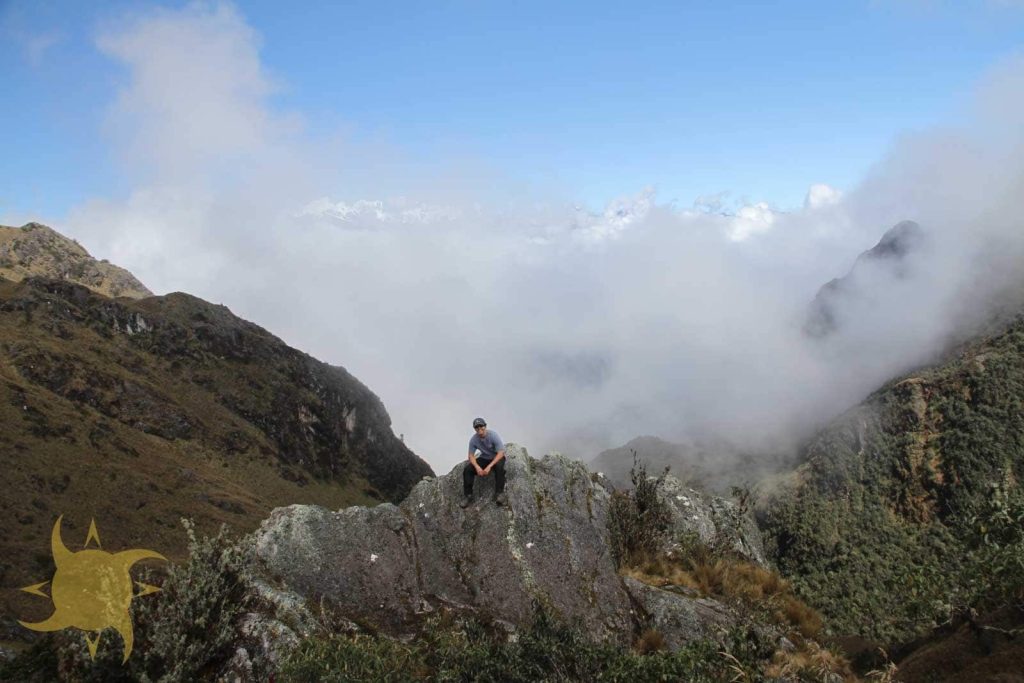
Written and fact-checked by the Inca Trail Reservations trekking team, drawing on our guides’ season-by-season fieldwork on the trail.
Introduction
The best time to hike the Inca Trail isn’t the same for every trekker. It depends on whether you’re optimizing for weather, permits, crowds, or price. Choosing the right month dramatically impacts your experience: the difference between trekking in June (peak dry season) versus January (rainy season) affects weather conditions, trail crowding, permit availability, prices, and even the color of the landscape. With only an 8-month trekking window annually (February is closed for maintenance), it pays to understand how the seasons differ.
This 2026 season guide provides month-by-month weather data, permit availability calendars, crowd density analysis, and pricing fluctuations. Use it to pick the month that fits what matters most to you: dry weather, a lower budget, or fewer crowds.
Quick Answer: The best months to hike the Inca Trail are May, June, and September. June has the driest weather (5-10mm rainfall); May offers lush scenery with moderate crowds; September balances good weather with fewer trekkers. Avoid January-February (rainy, trail closed in February); expect the heaviest crowds in July-August.
Table of Contents
- Inca Trail Climate Overview
- Dry Season vs Wet Season Comparison
- Month-by-Month Weather Guide
- 2026 Permit Availability Calendar
- Crowd Density by Month
- Pricing Fluctuations Throughout Year
- Shoulder Season Advantages
- Weather Forecast Reliability
- What to Expect in Dry Season
- What to Expect in Wet Season
- Special Considerations by Month
Inca Trail Climate Overview
Understanding Andean Mountain Weather
The Inca Trail traverses three distinct climate zones between 2,400m and 4,215m elevation, creating complex weather patterns that vary dramatically by altitude and time of year. For the rest of the country, see our Peru weather guide by region.
Climate Zones:
Lower Elevations (2,400m-3,000m):
- Subtropical highland climate
- Warmer temperatures year-round
- Higher humidity
- Afternoon cloud formation
- Temperature range: 18-25°C day, 8-15°C night
High Passes (3,500m-4,215m):
- Alpine tundra climate
- Extreme UV exposure
- Rapid weather changes
- Strong winds at passes
- Temperature range: 10-20°C day, -5 to +5°C night
Cloud Forest (2,650m-3,900m):
- Humid montane forest
- Persistent morning mist
- Afternoon precipitation
- Dense vegetation
- Temperature range: 15-22°C day, 10-15°C night
Two-Season System
Unlike temperate climates with four seasons, the Inca Trail region has two primary seasons:
Dry Season (May-September):
- Minimal rainfall (0-50mm monthly)
- Clear skies and excellent visibility
- Colder nighttime temperatures
- Lower humidity
- Peak tourist season
- Brown, dormant vegetation (July-August)
Wet Season (November-March):
- Heavy rainfall (100-200mm monthly)
- Afternoon storms daily
- Warmer nights (cloud cover)
- High humidity
- Fewer tourists
- Lush, green vegetation
Transition Months (April, October):
- Unpredictable weather
- Mix of rainy and dry patterns
- Moderate tourist traffic
- Lower prices than peak season
Pro Tip: The “dry season” doesn’t mean zero rain. Even in June (driest month), afternoon showers occur 2-3 times per week. Always pack rain gear regardless of season.
Temperature Extremes Across the Year
Warmest Month: November (before heavy rains)
- Daytime highs: 22-28°C at low elevations
- Nighttime lows: 10-15°C at camps
Coldest Month: July (mid-dry season)
- Daytime highs: 18-23°C at low elevations
- Nighttime lows: -5 to +2°C at high camps
- Wind chill at Dead Woman’s Pass: -10°C
Largest Temperature Swings: June-July
- 35°C differential possible in single day
- Morning starts below freezing
- Midday sun intense (UV Index 11+)
- Evening temps drop rapidly after sunset
Important: Pack for extreme temperature ranges regardless of season. Layering system must accommodate freezing mornings and warm afternoon sun.
Dry Season vs Wet Season Comparison
Dry Season (May-September) Overview
Weather Characteristics:
- Rainfall: 10-50mm monthly average
- Rain days: 2-6 days per month
- Clear sky probability: 70-85%
- Daytime temperature: 18-25°C
- Nighttime temperature: -2 to +8°C
- Humidity: 40-60%
Advantages:
- Reliable weather for hiking
- Excellent mountain visibility
- Safer trail conditions (dry stone steps)
- Better photography opportunities
- Comfortable camping conditions
- Higher success rate for Sun Gate sunrise
Disadvantages:
- Peak crowds (500 permits daily fully booked)
- Higher tour prices (20-30% premium)
- Brown, dry vegetation (July-August)
- Colder nights (below freezing possible)
- Dusty trail conditions
- Must book 6-8 months in advance
Best For:
- First-time hikers prioritizing weather
- Photographers seeking clear views
- Those who can book far in advance
- Travelers with fixed vacation schedules
- Anyone averse to rain and mud
Wet Season (November-March) Overview
Weather Characteristics:
- Rainfall: 100-200mm monthly average
- Rain days: 15-25 days per month
- Clear sky probability: 20-40%
- Daytime temperature: 20-26°C
- Nighttime temperature: 8-15°C (warmer due to cloud cover)
- Humidity: 70-90%
Advantages:
- Lush, green landscapes
- Fewer crowds (permits available last-minute)
- Lower tour prices (15-25% discount)
- Waterfalls at full force
- Wildflowers blooming
- Warmer nights (cloud insulation)
- More intimate trekking experience
Disadvantages:
- Daily rain (afternoon storms guaranteed)
- Slippery stone steps (safety concern)
- Limited mountain visibility
- Wet camping conditions
- Mud and trail erosion
- Lower morale in persistent rain
- February trail closure (maintenance month)
Best For:
- Budget-conscious travelers
- Those who embrace adventure and challenges
- Last-minute planners (permits available)
- Nature enthusiasts (lush vegetation)
- Photographers seeking dramatic weather
- Flexible travelers okay with weather risk
| Factor | Dry Season (May-Sep) | Wet Season (Nov-Mar) |
|---|---|---|
| Rainfall | 10-50mm/month | 100-200mm/month |
| Clear Days | 20-28 per month | 5-15 per month |
| Crowds | Maximum (500/day full) | Moderate to Low |
| Prices | High (+20-30%) | Low (baseline) |
| Permit Availability | Book 6-8 months ahead | Available last-minute |
| Trail Conditions | Dry, dusty | Wet, slippery |
| Vegetation | Brown (Jul-Aug) / Green (May-Jun) | Vibrant green |
| Night Temperature | -2 to +8°C | 8 to +15°C |
| Photography | Excellent (clear skies) | Challenging (fog) |
| Safety | Better (dry steps) | More hazardous |
| Booking Lead Time | 6-8 months | 1-3 months |
| Experience | Comfortable, predictable | Adventurous, unpredictable |
Expert Insight: “I’ve guided 150+ treks across all seasons. Dry season guarantees better weather, but some of my most memorable treks were in November with dramatic storm clouds and lush valleys. If you embrace the rain, wet season offers unique magic.”
Isabella, senior Inca Trail guide
Month-by-Month Weather Guide
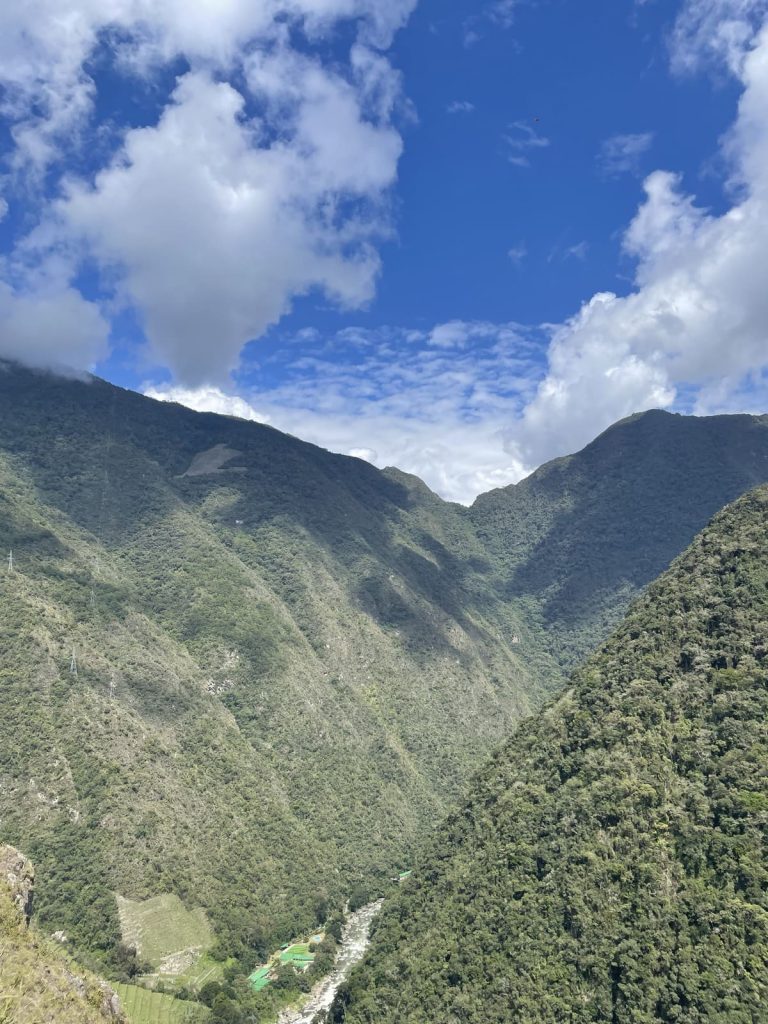
The table below consolidates the rainfall, temperature, crowd, and price figures detailed in each month’s section so you can compare all twelve at a glance.
| Month | Rainfall | Rain Days | Day/Night Temp | Crowd Level | Price Tier |
|---|---|---|---|---|---|
| January | 145mm | 20-22 | 20-25°C / 10-12°C | Moderate (lighter after week 1) | Low |
| February | Trail closed for maintenance, no permits issued | N/A | |||
| March | 107mm | 15-18 | 20-24°C / 9-11°C | Light | Low |
| April | 43mm | 8-12 | 21-25°C / 8-10°C | Light to Moderate | Moderate |
| May | 10mm | 2-4 | 21-24°C / 5-8°C | Moderate | Moderate-High |
| June | 5mm | 1-2 | 20-23°C / 2-5°C | Very High | Highest (+20-30%) |
| July | 8mm | 1-3 | 18-23°C / -2 to +3°C | Very High (peak) | Highest |
| August | 8mm | 2-3 | 19-24°C / 0-5°C | Very High | High |
| September | 40mm | 5-8 | 20-25°C / 5-8°C | Moderate | Moderate (-10-20% from peak) |
| October | 90mm | 12-15 | 21-26°C / 8-10°C | Light | Low |
| November | 88mm | 12-15 | 21-27°C / 10-12°C | Light (except holidays) | Low |
| December | 145mm | 18-20 | 20-26°C / 10-13°C | Moderate (higher Dec 20-27) | Low (holiday premium Dec 20-31) |
January: Heart of Rainy Season
Weather Stats:
- Rainfall: 145mm average (second wettest month)
- Rain days: 20-22 days
- Temperature: 20-25°C day, 10-12°C night
- Permit availability: Good (fewer trekkers brave the rain)
Experience: January delivers persistent rain with daily afternoon storms. Mornings often start clear before deteriorating by midday. Trail conditions are muddy, and stone steps become treacherous when wet.
Pros: Green landscapes, available permits, low prices, fewer crowds Cons: Constant rain, slippery trails, limited visibility, wet camping
Recommendation: (2/5) – Only for adventurous souls who embrace rain
Pro Tip: If trekking in January, bring high-quality waterproof gear including rain jacket, rain pants, waterproof boots, and dry bags for all clothing and electronics.
February: Trail Closure Month
Status: CLOSED – No permits issued
The Peruvian government closes the Inca Trail every February for essential maintenance:
- Trail repair and stone step stabilization
- Vegetation management and erosion control
- Archaeological site restoration
- Porter rest period (ethical labor practice)
- Environmental recovery from rainy season damage
Alternative Options:
- Salkantay Trek (open year-round)
- Lares Trek (open year-round)
- Train to Machu Picchu direct
- Delay trip to March or later
Important: No exceptions are made for February closure. Plan treks for March through January only.
March: Transition from Wet to Dry
Weather Stats:
- Rainfall: 107mm average (decreasing from peak)
- Rain days: 15-18 days
- Temperature: 20-24°C day, 9-11°C night
- Permit availability: Excellent
Experience: March marks the transition from wet to dry season. Rain decreases significantly compared to January-February, though afternoon showers remain common. Landscapes are still lush and green from rainy season. This is one of the best months for budget travelers.
Pros: Lower prices, good availability, greenery, warming weather Cons: Still 50% rain probability, muddy sections, variable conditions
Recommendation: (3/5) – Good value for budget-conscious travelers
April: Shoulder Season Sweet Spot
Weather Stats:
- Rainfall: 43mm average (significant decrease)
- Rain days: 8-12 days
- Temperature: 21-25°C day, 8-10°C night
- Permit availability: Very good
Experience: April is arguably the best value month: weather improves dramatically while crowds and prices stay moderate. Landscapes retain rainy season greenery, wildflowers bloom, and conditions are excellent for trekking.
Pros: Great weather, moderate crowds, fair prices, green scenery, wildflowers Cons: Occasional rain, slightly less reliable than peak dry season
Recommendation: (4/5) – Excellent shoulder season choice
Pro Tip: April has nearly dry-season weather at shoulder-season prices. Book 3-4 months ahead for best selection.
May: Optimal Conditions Begin
Weather Stats:
- Rainfall: 10mm average (very dry)
- Rain days: 2-4 days
- Temperature: 21-24°C day, 5-8°C night
- Permit availability: Good (filling up for peak season)
Experience: May marks the official start of dry season with excellent weather and lush post-rainy landscapes. This is considered one of the three best months to trek, with reliable weather, green scenery and moderate crowds.
Pros: Excellent weather, lush vegetation, clear views, moderate crowds, reasonable prices Cons: Nights cooling down, popular month (book ahead)
Recommendation: (5/5) – One of the best months
2026 Specific: May 2026 permits are expected to sell out by November 2025 for popular dates.
June: Peak Dry Season
Weather Stats:
- Rainfall: 5mm average (driest month)
- Rain days: 1-2 days
- Temperature: 20-23°C day, 2-5°C night
- Permit availability: Limited (peak season)
Experience: June delivers the most reliable weather of the year with minimal rainfall and crystal-clear mountain views. This is THE month for photography and guaranteed dry conditions. However, it’s also peak tourist season with all 500 daily permits typically booked solid.
Pros: Best weather, clearest views, safest conditions, highest success rates Cons: Maximum crowds, highest prices, cold nights, vegetation browning, must book 6-8 months early
Recommendation: (5/5) – Best weather, but plan far ahead
Important: June sells out further ahead than any other month. Book as early as your dates allow, and confirm current availability with your operator.
July: Peak Season Peak
Weather Stats:
- Rainfall: 8mm average
- Rain days: 1-3 days
- Temperature: 18-23°C day, -2 to +3°C night
- Permit availability: Sold out (book 8+ months ahead)
Experience: July continues excellent weather but brings maximum crowds. All 500 permits sell out months in advance. Vegetation is brown and dormant from months without rain. Nights are the coldest of the year with freezing temperatures at high camps.
Pros: Reliable weather, clear skies, safe conditions Cons: Maximum crowds, highest prices, coldest nights, brown landscape, sold out far in advance
Recommendation: (4/5) – Great weather but most crowded
August: Continued Dry Season
Weather Stats:
- Rainfall: 8mm average
- Rain days: 2-3 days
- Temperature: 19-24°C day, 0-5°C night
- Permit availability: Sold out
Experience: August maintains dry season reliability with slightly warming temperatures. Still peak tourist season with maximum crowds. Landscape remains brown and dry. Popular for North American and European summer vacations.
Pros: Excellent weather, warming slightly from July, clear visibility Cons: Maximum crowds, high prices, dry brown landscape, requires early booking
Recommendation: (4/5) – Reliable but crowded
September: Ideal Shoulder Season
Weather Stats:
- Rainfall: 40mm average (increasing slightly)
- Rain days: 5-8 days
- Temperature: 20-25°C day, 5-8°C night
- Permit availability: Moderate
Experience: September is the third “best month” alongside May and June. Weather remains largely dry while crowds decrease as peak season ends. Vegetation begins greening with occasional rain. Prices drop 10-20% from peak season. Wildflowers bloom across the landscape.
Pros: Good weather, fewer crowds, lower prices, wildflowers, warming temperatures Cons: Slightly less reliable than June-July, occasional afternoon showers
Recommendation: (5/5) – Best value for optimal conditions
Pro Tip: September offers the best overall package: 80% of peak season weather quality with 60% of the crowds. Book 4-5 months ahead.
October: Transition to Wet Season
Weather Stats:
- Rainfall: 90mm average (significantly increasing)
- Rain days: 12-15 days
- Temperature: 21-26°C day, 8-10°C night
- Permit availability: Good
Experience: October marks the transition back to wet season. Mornings are often clear with afternoon storms becoming frequent. Landscapes remain green and lush. This is the last month before heavy rainy season begins. Prices drop further as tourist season winds down.
Pros: Lower prices, good availability, green scenery, fewer crowds Cons: Increasing rain, variable weather, unpredictable conditions
Recommendation: (3/5) – Good for flexible travelers
November: Early Rainy Season
Weather Stats:
- Rainfall: 88mm average
- Rain days: 12-15 days
- Temperature: 21-27°C day, 10-12°C night
- Permit availability: Excellent
Experience: November brings consistent afternoon rain but maintains warm temperatures. This is one of the warmest months for trekking. The landscape is green. Tourism drops significantly, making permits easy to obtain even last-minute.
Pros: Warm temperatures, lush scenery, available permits, low prices, fewer crowds Cons: Daily rain, wet conditions, muddy trails, limited visibility
Recommendation: (3/5) – For those who don’t mind rain
December: Pre-Holiday Rainy Season
Weather Stats:
- Rainfall: 145mm average (wettest month)
- Rain days: 18-20 days
- Temperature: 20-26°C day, 10-13°C night
- Permit availability: Excellent
Experience: December is the wettest month with near-daily rainfall. However, it’s also warm and landscapes are at peak lushness. The Christmas-New Year period sees temporary tourist uptick. Prices remain low except December 20-31 when holiday premiums apply.
Pros: Lush scenery, warm nights, usually available permits Cons: Heavy rain, wet camping, slippery trails, poor visibility
Recommendation: (2/5) – Only for rain-tolerant adventurers
2026 Permit Availability Calendar
Permits are released roughly 12 months ahead of the trek date and sell out fastest for June-August departures, often 8+ months in advance, while November-January dates can still open up 1-2 months out. For the full release schedule, a current month-by-month availability breakdown, booking lead-time recommendations, and what to do if your preferred dates are sold out, see our Inca Trail Permits 2026 guide.
Crowd Density by Month
Understanding Inca Trail Capacity
Daily Permit Limit: 500 people total
- ~200 trekkers
- ~300 porters, guides, and support staff
This strict limit means the trail never exceeds 500 people starting on any given day. However, perceived crowding varies based on group sizes, camping patterns, and timing.
Monthly Crowd Rankings
Most Crowded (5/5):
- July, August (peak season, all permits sold out)
- June 15-30 (Inti Raymi period)
- Christmas week (December 20-27)
Very Crowded (4/5):
- June 1-14
- Last week of August
- Easter week (varies, usually April)
Moderately Crowded (3/5):
- May, September
- First week of January
- December (except holidays)
Lightly Crowded (2/5):
- March, April, October
- Mid-November
Least Crowded (1/5):
- January (except first week)
- November (except holidays)
- Late October
Campsite Crowding Patterns
Wiñay Wayna (Night 3):
- Most crowded campsite (20+ groups typical)
- Peak season: Up to 200 people camping simultaneously
- Rainy season: 50-100 people
- Morning checkpoint queues form from 4:30am
Pacaymayo (Night 2):
- Moderately crowded (10-15 groups)
- More spread out terrain
- Less interaction between groups
Wayllabamba (Night 1):
- Moderate crowding (12-18 groups)
- Groups arrive staggered throughout afternoon
- Multiple camping zones reduce crowding feel
Pro Tip: Smaller group sizes (6-8 people) feel less crowded than large groups (12-16) even on peak season days. Consider paying premium for small group tours.
Pricing Fluctuations Throughout Year
Tour prices track the same dry/wet season curve as crowds and permits. June through August carry a 20-30% premium over baseline as we charge more for guaranteed weather and peak demand. September eases off with prices dropping 10-20% from the peak as trekkers thin out while weather stays largely dry. October and the wet-season months (November through January) sit at or near baseline, with wet season overall running 15-25% below dry season pricing.
Exceptions: the Christmas-New Year window (December 20-31) carries a holiday premium even though it falls in the cheaper wet season, and Easter week and the Inti Raymi period (June 24) push prices up within their respective months regardless of season.
Pro Tip: April and March offer the best price-to-weather ratio. They’re noticeably cheaper than June-August and deliver most of the same trail conditions.
Shoulder Season Advantages
April and October are the trail’s two shoulder-season windows, sitting on either side of peak dry season. Both trade a small amount of weather reliability for a meaningfully better overall experience on three fronts:
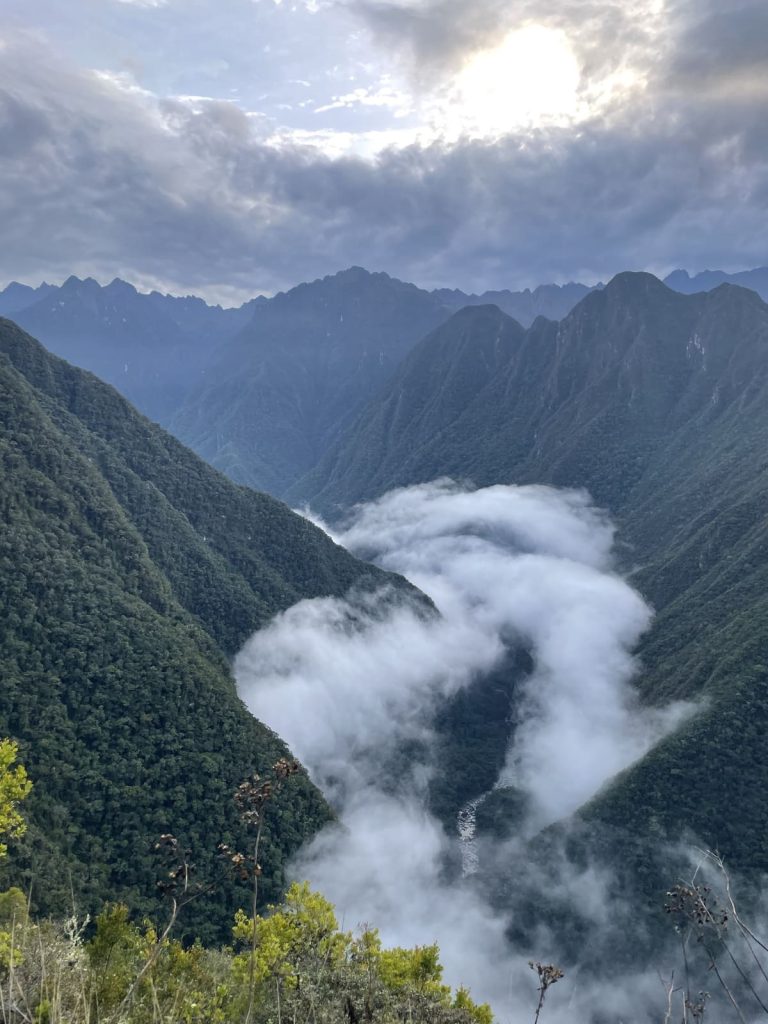
- Weather: April sees just 43mm of rainfall across 8-12 rain days, close to dry-season conditions. October runs wetter (90mm, 12-15 rain days) as the wet season builds, but mornings are typically clear with storms arriving in the afternoon.
- Crowds and permits: Both months carry light-to-moderate crowd levels compared to the sold-out summer months, with permit availability rated “very good” (April) to “good” (October).
- Price: Both sit well below the June-August premium, with October trending toward the lower wet-season baseline as tourist season winds down.
The trade-off: April can still catch Easter-week crowding if the holiday falls within the month, and October’s afternoon storms will eventually be daily by November. Neither month is risk-free, but both outperform their neighboring peak or rainy months on balance.
Weather Forecast Reliability
Weather forecasts for the Inca Trail are reasonably accurate 3-5 days out for general patterns (rain versus dry) but unreliable for exact timing and intensity beyond that window. The trail’s Andean mountain microclimates create localized conditions that diverge from the Cusco city forecast most visitors check.
Forecasts are most trustworthy at the seasonal level: predicting a dry June or a wet December is safe. Predicting whether a specific Tuesday in June will see afternoon cloud cover is not. Check forecasts the week before departure for packing decisions, but don’t base a booking decision on a long-range forecast for a date months out. Season, not forecast, should drive that call.
What to Expect in Dry Season
Across May-September, expect reliable rain-free days (10-50mm monthly, 70-85% clear-sky probability), dry and dusty trail underfoot, and cold nights that can drop below freezing at high camps, especially in June and July. Vegetation is green early in the season (May-June) and progressively browns out by July-August from months without rain. Photography conditions are consistently excellent, and the dry stone steps mean safer footing throughout. The trade-off is booking pressure: permits for June-August routinely sell out 6-8 months ahead, and the daily 500-person limit fills completely across the peak weeks.
What to Expect in Wet Season
Across November-January (plus most of October and March as transition), expect daily or near-daily afternoon rain (100-200mm monthly, 15-25 rain days in peak wet months), warmer nights from cloud cover (8-15°C versus sub-freezing dry-season lows), and lush green landscapes with wildflowers and waterfalls at full force. Trail conditions turn muddy and stone steps become slippery, which is the main safety consideration we plan around. In exchange, permits are available with little lead time, prices run 15-25% below dry season, and the trail feels noticeably less crowded. It’s a real trade for travelers who pack proper rain gear and accept lower visibility at the passes.
Special Considerations by Month
A handful of dates override the normal seasonal pattern and deserve their own booking lead time regardless of month:
- Inti Raymi (June 24): Cusco’s biggest festival week pushes an already-peak month to its most crowded stretch; the June 15-30 window is rated among the most crowded of the year. Book 8+ months ahead if targeting this period.
- Easter week (dates vary, usually falls in April): Temporarily spikes April’s otherwise moderate crowd and price levels to near-peak-season conditions. Confirm the exact date for the target year before assuming April’s normal shoulder-season advantages apply.
- Christmas/New Year (December 20-January 5): A temporary tourist uptick and holiday price premium hit what is otherwise one of the cheapest, least-crowded stretches of the year. Book 6+ months ahead for this window despite it falling in wet season.
Conclusion
Selecting the best time to hike the Inca Trail depends on balancing weather reliability, crowd tolerance, budget constraints, and booking flexibility.
Key Takeaways:
- Prime months: May, June, September offer 4-5 star experiences across all criteria
- Budget option: March, November provide 20-30% savings with acceptable weather trade-offs
- Avoid if possible: December-January deliver maximum rain, though landscapes are beautiful
- Book early: June-August require 6-8 months advance booking; rainy season allows last-minute decisions
- February is closed: Plan around this mandatory maintenance month
Choose your month by what matters most to you (weather, budget, crowds), book 4-8 months ahead for popular dates, and pack for changeable mountain conditions in any season. For permits, costs, and what to pack, see our complete Inca Trail planning guide.
Related Articles
- Inca Trail Permit Availability
- Inca Trail Itinerary Day by Day: 42km, Hour by Hour
- Inca Trail Cost 2026: $600 to $4,000, Broken Down by Tier
- Inca Trail Packing List 2026: 27 Essentials Under 7kg
- Is the Inca Trail Safe? Altitude, Injuries, Evacuation & Insurance
- Inca Trail 4 Days: Classic Trek to Machu Picchu
About This Guide: This season guide was last updated August 4, 2026, with 2026-specific permit availability and weather data. Weather patterns vary year to year; always verify current conditions with us before finalizing travel dates.