
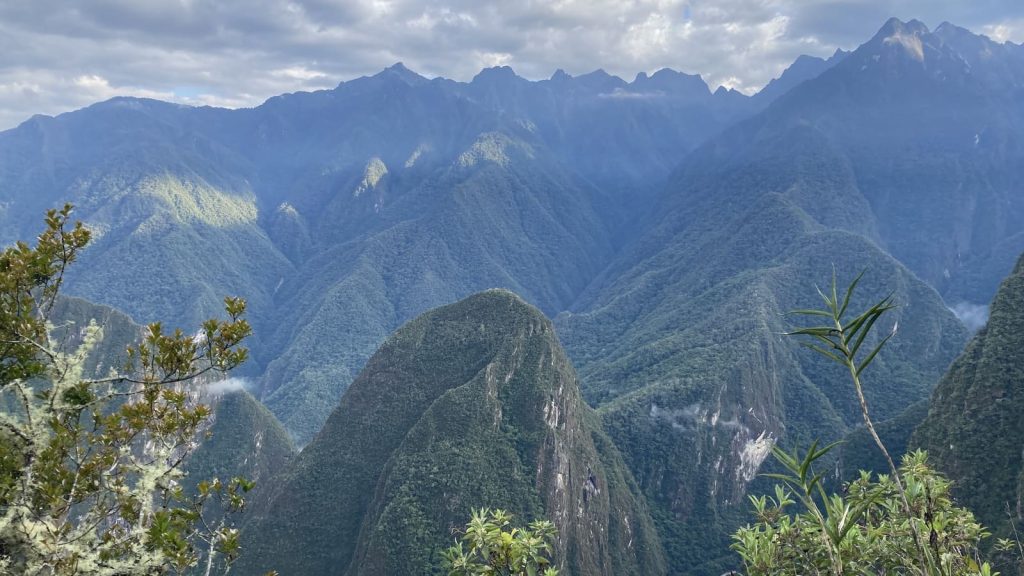
Peru’s trekking routes don’t share one climate, so they can’t share one packing list. A trail through the Lares Valley spends its nights among terraced villages at 3,800 m; a night on the Ausangate Circuit sits above 5,000 m with temperatures near -20°C. Pack for the Inca Trail and you’ll be underprepared for Ausangate. Pack for Ausangate’s expedition-grade cold and you’ll be needlessly hauling a 30 USD-rental down jacket up the gentler, warmer switchbacks of Lares.
This guide covers the gear that works across Peru’s major multi-day treks (Salkantay, Ausangate, the Cordillera Huayhuash, and Lares) and then breaks out exactly where each route demands something different. If you’re trekking the Inca Trail specifically, its 7 kg porter duffel limit and permit-trek gear rules are their own subject: see our Inca Trail packing list for that day-by-day breakdown. Everything here is for the rest of the Andes.
Quick answer: A Peru trekking packing list needs a three-layer system (moisture-wicking base, insulated mid, waterproof shell), a sleeping bag rated to at least -10°C for standard routes and -15°C to -20°C for sustained high-altitude circuits like Ausangate or the Huayhuash, broken-in waterproof boots, trekking poles, a 25-35L daypack, high-SPF sun protection, and a headlamp with spare batteries. The exact mix shifts by route, so check the route-specific section below before you finalize your bag.
Peru’s Trekking Climate Zones
Nearly every multi-day trek in the Peruvian Andes moves through the same three climate zones in some order, and each one has different gear demands.
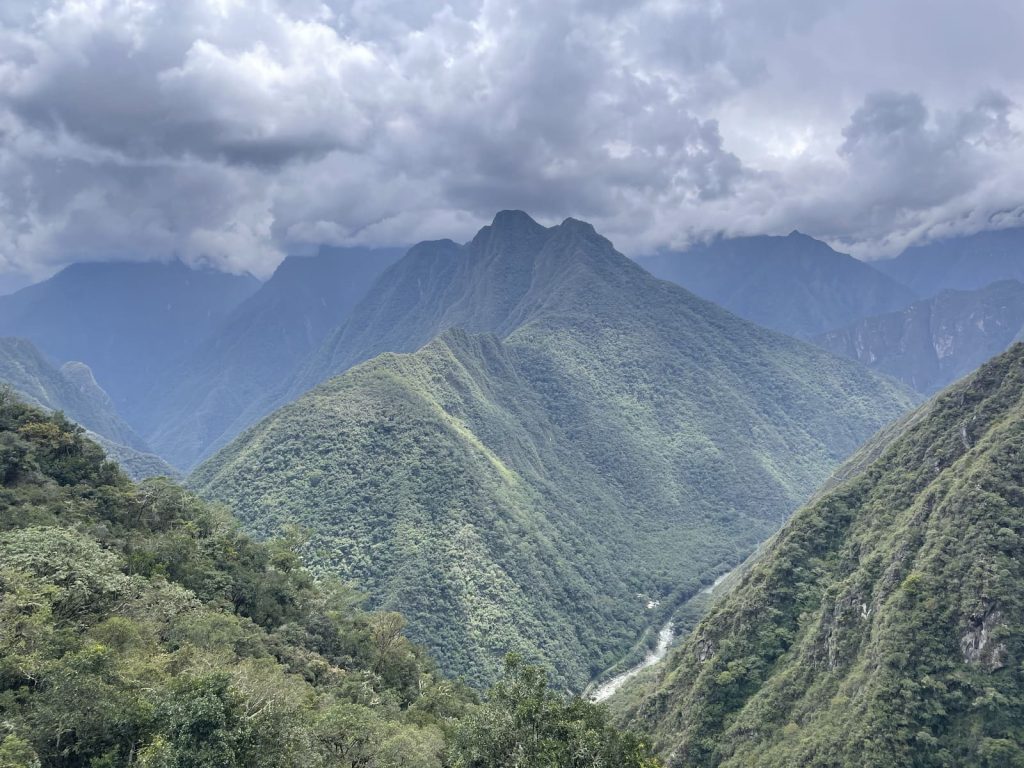
- Warm valley and cloud forest (2,800-3,600 m): Daytime temperatures of 18-25°C, humid air, and on routes like Salkantay’s lower descent, dense subtropical vegetation. Sun exposure is intense even though the air feels mild.
- High puna and altiplano (3,600-4,500 m): This is where most camps sit. Daytime highs of 5-15°C swing to nighttime lows of -5°C to -15°C, often within the same 24 hours. Wind picks up sharply in the afternoon.
- High passes and glacier margins (4,500-5,130 m): Air temperature at the pass itself can sit at or below freezing even at midday, and wind chill routinely drops the effective temperature another 10-15°C. On routes like Ausangate and the Cordillera Huayhuash, camps themselves sit inside this zone for multiple consecutive nights, with no descent to recover in.
The practical takeaway: don’t pack for the trailhead temperature, pack for the coldest zone your specific route sustains overnight. A Lares trekker sleeping at 3,850 m needs a different bag than an Ausangate trekker sleeping at 4,900 m five nights running.
Core Gear for Any Multi-Day Trek
Regardless of which Andes route you’re on, these items belong in every kit. This is the baseline: the high-altitude and route-specific sections below add to it rather than replace it.
Footwear and Feet
- Waterproof hiking boots with ankle support, broken in with at least 40-50 km of walking before you fly. New boots on multi-day terrain are the single most common cause of trekkers dropping out early.
- 3-4 pairs of merino wool or synthetic hiking socks (never cotton, which holds moisture and drives blisters).
- Camp shoes or sandals to let your feet and boots air out each evening.
- Gaiters if your route crosses scree, snow, or stream crossings (standard on Ausangate and Huayhuash, optional on Lares).
Daypack and Carry
- 25-35L daypack with a rain cover, for whatever you carry yourself between camps.
- 3L water capacity (bladder or bottles) plus a purification method: tablets, a filter, or a UV pen. Don’t rely on buying bottled water mid-route; most camps don’t sell it.
- Trekking poles. On descents above 4,000 m they take real load off your knees, and on scree or snow sections they’re closer to essential than optional.
- Headlamp with spare batteries (lithium, not alkaline, because alkaline batteries lose capacity fast in freezing temperatures).
- A power bank of at least 10,000 mAh; most camps have no outlets, and cold drains phone batteries faster than you’d expect.
How Your Gear Actually Travels
Unlike the Inca Trail, where regulated human porters carry your duffel under a strict weight cap, most other Andes routes (Salkantay, Ausangate, and the Huayhuash among them) use pack mules or horses for the main duffel, with porters or arrieros managing the animals. That generally means a looser weight limit than the Inca Trail’s 7 kg, but “looser” isn’t “unlimited”: most operators still ask for a duffel under 10-12 kg, and mules can’t reach you mid-stage the way a porter walking the same trail can. Keep your daypack self-sufficient for a full day even though the animals are carrying the rest.
Sun Protection and Health Basics
UV exposure at 3,500-5,000 m is dramatically stronger than at sea level, and snow or lake surfaces reflect it back at you. Pack SPF 50+ sunscreen, SPF lip balm, a wide-brim sun hat, and UV400 sunglasses (glacier-rated, category 4 lenses, for any route that crosses snow). Carry a basic first-aid kit and your personal medications in their original packaging. If your doctor has prescribed Diamox for altitude, pack it in your daypack, not your duffel, since you may need it before you reach camp. (For dosing and altitude sickness management specifically, see our altitude sickness in Peru guide.)
High-Altitude Cold-Weather Layer
This is the layer that changes the most by route, and where under-packing has the worst consequences. Build it as a system, not a single garment.
- Base layer: merino wool or synthetic thermal top and bottom. Bring two sets so you always have a dry one. Damp base layers are how trekkers get cold fastest.
- Mid layer: a fleece or lightweight insulating layer for hiking in cold wind, separate from your camp jacket.
- Insulated camp layer: a down or synthetic-fill jacket you only put on once you stop moving. On routes with sustained high-altitude camps this needs real loft. A packable travel jacket isn’t enough.
- Shell: a waterproof, windproof rain jacket and rain pants. Andean weather can shift from clear to sleet in fifteen minutes, especially near passes.
- Extremities: a warm beanie, a neck gaiter or buff, liner gloves for dexterity, and a heavier insulated glove or mitten layer for passes and mornings.
Sleeping System by Elevation
Sleeping bag temperature ratings should match the coldest camp on your specific route, not the trek’s average. As a working guide:
- -10°C bag: adequate for routes where camps stay below 4,200 m, such as most of Lares.
- -15°C bag: the minimum for routes with camps regularly at 4,300-4,700 m, such as Salkantay’s higher camps.
- -20°C expedition-grade bag: required where camps sit above 4,700 m for multiple consecutive nights with no descent, as on the Ausangate Circuit and the Cordillera Huayhuash, both of which see documented nighttime lows in the -15°C to -20°C range at camp, before wind chill.
Pair the bag with an insulated sleeping pad (R-value 4 or higher for standard routes, 5+ for sustained high-altitude circuits), because ground contact pulls heat out of you faster than air temperature does. A silk or fleece liner adds 3-5°C of extra warmth and keeps a rented bag more hygienic. Most trekking agencies and Cusco gear shops rent sleeping bags by rating, so confirm the rated temperature (not just “warm”) before you sign for one.
Route-Specific Additions (Salkantay / Ausangate / Huayhuash / Lares)
Once your core kit and cold-weather layer are sorted, add what’s specific to your route.
Salkantay
The Salkantay Trek crosses its namesake pass at 4,630 m (higher than any point on the Inca Trail), then drops into warm, humid cloud forest on its later days. Pack for both ends of that swing: your full cold layer for the pass day, plus lighter, quick-dry hiking clothes for the descent into the 20-25°C cloud forest. A sun hat with a neck flap earns its keep here, since the lower sections offer little shade.
Ausangate
The Ausangate Circuit stays above 4,300 m for its entire length, crossing five passes over 5,000 m, with camps that see nighttime lows down to -20°C. This route doesn’t tolerate a standard 3-season kit: bring the -20°C expedition bag, an insulated camp jacket rated for the same, glacier sunglasses (snow reflection at this elevation causes real eye damage), gaiters, and heavy insulated gloves rather than liner gloves alone. Afternoon snow showers happen even in dry season, so your shell layer needs to be fully waterproof, not just water-resistant.
Cordillera Huayhuash
Further north in the Ancash region, the Huayhuash circuit runs 8-12 days entirely between 4,000 m and 5,090 m with no lower-elevation nights to recover in. That sustained exposure, more than any single pass, is what drives its gear list: a 4-season bag rated to at least -15°C, an insulated pad with an R-value of 5 or higher, a heavy down jacket (800-fill or better), and multiple full sets of dry base layers, since there’s rarely a warm afternoon to dry gear out in. Because this circuit runs longer than the Cusco-region treks, plan spare batteries and a slightly larger toiletries allowance accordingly.
Lares
The Lares Trek is the gentlest of the four on pure altitude exposure, but it’s the most culturally immersive: the route passes through Quechua weaving communities where you may stay in or near family homes rather than isolated campsites. Standard cold-weather layers and a -10°C bag cover the trekking itself. What’s different here is context: pack small, practical gifts if you plan to visit a community (school supplies or basic goods are more useful than sweets or cash), bring a swimsuit for the natural hot springs at Lares, and keep a modest layer on hand for village visits out of respect for local norms. A dry bag for a camera is worth it if you want to photograph textile weaving without risking gear near dye baths or river crossings.
What NOT to Bring
Overpacking is as much of a problem as underpacking, because you or your porters and mules still have to carry the extra weight.
- Cotton clothing. It absorbs sweat and rain, stays wet, and cools you down fast in high-altitude wind. Stick to merino wool or synthetics for every layer that touches skin.
- Brand-new, unbroken-in boots. Even one 20 km day is enough to raise blisters that ruin the rest of the trek. Break boots in weeks ahead of travel.
- Excess electronics. A laptop, a second camera body, or a tablet are dead weight on routes with no outlets and unreliable signal. One phone, one power bank, and a lightweight camera cover almost everyone’s needs.
- Valuables and jewelry. Leave them at your hotel in Cusco or Huaraz; there’s no secure storage on the trail.
- A duplicate heavy layer “just in case.” One insulated camp jacket rated correctly for your route beats two mismatched ones that together weigh more and insulate less.
- Full-size toiletries. Travel-size everything; you’re not showering daily on most routes, and weight adds up fast across a multi-day itinerary.
- Single-use plastic water bottles. Bring a reusable bottle or bladder with a purification method instead. Disposable plastic has no way to be recycled once you’re deep in the Andes, and most operators now actively discourage it.
- Guidebooks or paper maps for the whole trip. Your guide carries route knowledge; download offline maps to your phone instead of packing paper.
Trail dust and limited laundry access also argue against overpacking clothing. Most multi-day routes have no laundry service until you’re back in Cusco or Huaraz, and dry-season trails on the puna throw up fine dust that will coat everything in your pack within a day or two. Pack quick-dry, easily rinsed fabrics rather than a fresh outfit for every day. Three hiking shirts rotated and rinsed in a stream or basin will outlast six shirts you never have time to wash.
If you’re unsure whether an item belongs, ask: does this change what happens if the weather turns at 4,500 m? If not, it’s probably weight you don’t need.
Every Andes route in this guide runs through our Peru trekking program, and our guides can confirm the exact gear list and current rental prices for your specific departure before you fly. If you’re set on the Inca Trail itself, its permit rules and 7 kg duffel limit make it a special case, so head to the Inca Trail packing list for that route’s exact checklist.