
Introduction
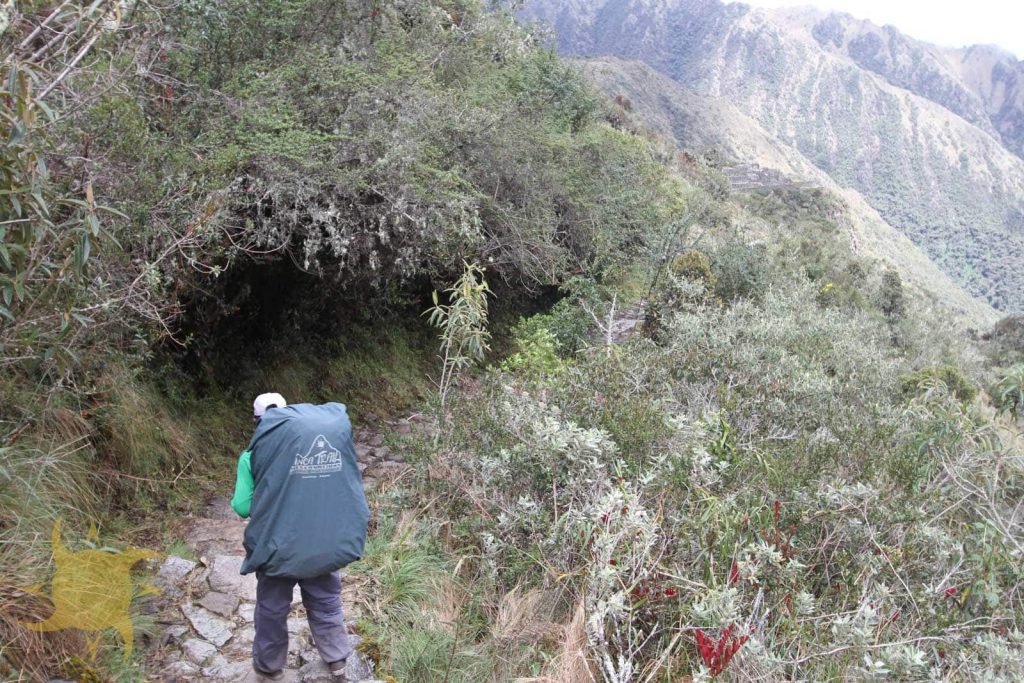
When you picture the Inca Trail, you probably imagine dramatic mountain passes, ancient ruins, and that first view of Machu Picchu through the Sun Gate. But the reality of Inca Trail camping is that you’ll spend almost half your time at camp, and those evening hours will shape your trek experience just as much as the hiking itself.
After completing the classic 4-day trek six times and leading groups for over five years, I’ve learned that camp is where most of the trek’s memories are made. Yes, the facilities are basic. Yes, temperatures drop below freezing at night. And yes, the squat toilets become… memorable. But those evening hours around the dining tent, watching stars emerge above 13,000-foot peaks while porters cook dinner on portable stoves, create bonds and memories that outlast any summit photo.
This guide walks you through exactly what happens at camp each night: the three campsite locations with honest facility descriptions, temperature ranges and what they actually feel like, how porters transform a bare field into a functional village in under an hour, realistic sleep quality expectations, the social dynamics that develop around dinner tables at altitude, and practical comfort strategies that separate miserable nights from merely uncomfortable ones.
Quick Answer: Inca Trail camping spans three nights at designated campsites ranging from 2,650m to 3,600m elevation. Porters arrive 1-2 hours early to set up 2-person tents, dining facilities, and portable toilets. Night temperatures range from -2°C (28°F) at Pacaymayo to 8°C (46°F) at Wiñay Wayna. Facilities are basic but functional. Expect squat toilets, no showers, and cold weather. Porters handle all setup/teardown while you rest. The camping experience progresses from nervous anticipation (Night 1) to exhausted satisfaction (Night 2) to celebratory relief (Night 3).
Table of Contents
- How Inca Trail Camping Works
- Night 1: Wayllabamba (3,000m) – The Adjustment
- Night 2: Pacaymayo (3,600m) – The Challenge
- Night 3: Wiñay Wayna (2,650m) – The Celebration
- Porter Operations: How Camp Gets Set Up
- Temperature Reality and Staying Warm
- Toilet Facilities: Honest Assessment
- Meals and Dining Experience
- Sleep Quality and Optimization
- Social Campsite Culture
- Gear Storage and Security
- Wildlife Encounters at Camp
- Conclusion
How Inca Trail Camping Works
The Permit System and Regulated Campsites
The Inca Trail sits inside the Historic Sanctuary of Machu Picchu, so campsite zones are jointly regulated by SERNANP (Peru’s protected-areas authority, which sets the daily trekker quota and campsite assignments) and the Peruvian Ministry of Culture (which protects the archaeological sites along the route). Unlike wilderness camping in many countries, you cannot pitch your tent wherever you choose; all trekkers must stay at one of the three official campsites on the classic 4-day route.
Daily Limits and Timing:
- Maximum 500 people per day on trail (including porters and guides)
- Approximately 200 trekkers spread across designated camps
- Arrival times: 5:00-7:00 PM depending on group pace
- Departure times: 5:00-7:00 AM (except Day 4: 3:30-4:00 AM)
What’s Included in Your Tour
Standard camping services included on every trek we run:
- 2-person tent (usually 3-season quality)
- Foam sleeping pad or self-inflating mattress (varies by trek)
- Dining tent with tables and chairs
- Kitchen tent for meal preparation
- Toilet tent (portable or communal facilities)
- All meals from Day 1 lunch through Day 4 breakfast
What you must bring:
- Sleeping bag rated to -10°C (14°F) minimum
- Personal gear and clothing
- Headlamp with extra batteries
- Toilet paper and hand sanitizer
- Water bottles or hydration system
Pro Tip: Rent or upgrade your sleeping bag in Cusco if yours isn’t rated for freezing temperatures. A cold night at 3,600m will ruin your next hiking day. Quality rental bags cost $20-30 for the trek. See our full packing list and gear rental guide for sleeping pad and tent rental prices too.
Porter vs Trekker Schedules
Porter timeline:
- 4:30 AM: Wake up, begin breaking down camp
- 5:30 AM: Depart camp (before trekkers)
- 1:00-3:00 PM: Arrive at next campsite, begin setup
- 5:00-7:00 PM: Greet arriving trekkers with tea and snacks
Trekker timeline:
- 6:00 AM: Wake up call (coffee/tea delivered to tent)
- 7:00 AM: Breakfast in dining tent
- 8:00 AM: Depart (porters already gone)
- 5:00-7:00 PM: Arrive to fully prepared camp
This staggered system means porters carry 60+ lbs while hiking faster than tourist groups, covering the same distance in 40-50% less time. That is one reason ethical porter treatment and appropriate tipping matter.
The Three Nights at a Glance
| Camp (Night) | Elevation | Typical Low Temp | Showers | Toilets |
|---|---|---|---|---|
| Wayllabamba (Night 1) | 3,000m | 2-4°C (36-39°F) | None | Squat + portable units |
| Pacaymayo (Night 2) | 3,600m | -2°C (28°F) | None | Squat + portable units |
| Wiñay Wayna (Night 3) | 2,650m | 8°C (46°F) | Cold-water only (most skip it) | Squat + portable units, more washing stations |
Showers exist at exactly one camp on the whole trek, Wiñay Wayna, and even there it’s a cold-water trickle most trekkers skip. Budget for four days without a real shower.
Night 1: Wayllabamba (3,000m) – The Adjustment
Campsite Overview
Location: Cusichaca River valley, last inhabited village on trail Elevation: 3,000m (9,842 ft) Temperature Range: 0-5°C (32-41°F) overnight Arrival Time: 5:00-6:00 PM after 12km hiking Capacity: ~1,500 people (largest campsite, can feel crowded)
The Setting and Atmosphere
Wayllabamba sits in a relatively wide valley with the Cusichaca River providing a constant soundtrack. You’ll camp near a small Quechua community, meaning you might hear dogs barking, children playing, and definitely roosters at dawn (4:30 AM onward). The campsite itself consists of terraced fields with designated areas for different trekking groups.
What you’ll see:
- Rows of colorful tents across terraced agricultural land
- Dining tents clustered near group zones
- Portable toilet structures at campsite perimeter
- Local villagers selling snacks, beer, and coca tea
- Mountain views on clear evenings
Facilities Assessment
Toilets (6/10 – Relatively Acceptable):
- Mix of permanent squat toilets and portable units
- Doors with basic locks (usually functional)
- Toilet paper sometimes available (don’t rely on it)
- Hand-washing station with soap
- 5-10 minute waits during peak times (6:00-7:00 PM, 6:00-7:00 AM)
Washing Facilities:
- One cold-water hand-washing basin per group area
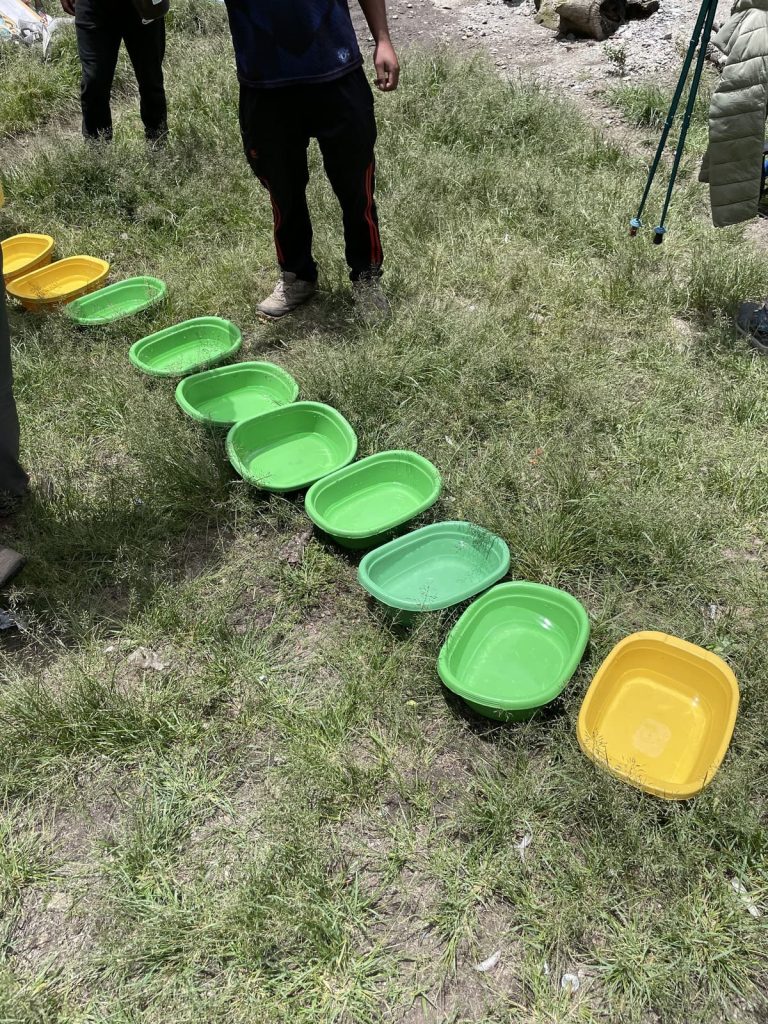
- Porters provide hot water in a bowl for face washing (morning only)
- No showers or bathing facilities
Dining Setup:
- Large canvas tent with folding tables and chairs
- Capacity: 12-16 trekkers
- Basic heating (hot water bottles or small propane heater)
- Battery-powered lanterns for lighting
Pro Tip: Visit the toilet before 6:30 PM (when dinner crowds arrive) or after 8:30 PM (post-dinner rush). Middle-of-night bathroom trips are unavoidable for many. Keep your headlamp and toilet paper in an accessible pocket, not buried in your duffel.
First Night Emotional Journey
Common feelings and experiences:
- Excitement and nervousness: The trek has begun
- Physical exhaustion: First day’s hiking catches up during dinner
- Social bonding: Getting to know your group over the first meal
- Facility adjustment: Basic toilets seem manageable (Day 2 will test this)
- Cold reality: Temperature drops fast after 7:00 PM sunset
Sleep Quality: 5-6/10
- Moderate altitude may cause slight sleep disruption
- River sounds provide white noise (helpful for most people)
- Other groups’ conversations carry across the camp
- Ground still feels unfamiliar (hip and shoulder pressure points)
- Temperature comfortable with proper sleeping bag
Important: Altitude effects vary wildly. If you have a headache or nausea, drink water and consider Diamox if prescribed by your doctor. Don’t tough it out. Tell your guide immediately.
Night 2: Pacaymayo (3,600m) – The Challenge
Campsite Overview
Location: High-altitude valley past Dead Woman’s Pass Elevation: 3,600m (11,811 ft) – highest camp Temperature Range: -2 to 3°C (28-37°F) overnight Arrival Time: 4:00-6:00 PM after hardest day (16km, two passes) Capacity: ~600 people (medium-sized, less crowded)
The Setting and Atmosphere
Pacaymayo occupies a narrow valley with steep mountain walls on both sides. By the time you arrive, you’ve crossed Dead Woman’s Pass (4,215m) and descended steeply, destroying your knees and energy reserves. This campsite sits in a more remote, windswept location with no nearby villages, just mountains, clouds, and exhausted trekkers.
What you’ll notice:
- Dramatically colder temperatures than Night 1
- Wind funneling through the valley (secure tent stakes)
- Condensation forming inside tents by morning
- Absolute darkness after sunset (no light pollution)
- Stars on clear nights, including the Southern Cross and Magellanic Clouds
Facilities Assessment
Toilets (4/10 – Challenging):
- Fewer toilet units than Wayllabamba
- Conditions deteriorate after 200+ people daily use
- Cold wind makes nighttime visits brutal
- Lines can reach 15-20 minutes during peak times
- Smell is… noticeable
Washing Facilities:
- Extremely limited: cold water basin only
- Morning hot water bowl for face washing
- Most trekkers skip washing due to cold
Dining Setup:
- Same dining tent structure
- Heating becomes critically important
- Porters work hard to keep it warm
- Everyone huddles together for warmth
Warning: This is the night when bathroom strategy matters most. Women especially should consider a pee bottle for nighttime use (wide-mouth Nalgene bottle, clearly labeled). The alternative is a freezing -2°C walk to squat toilets in darkness.
Second Night Emotional Journey
Common feelings and experiences:
- Complete exhaustion: Hardest hiking day takes its toll
- Pride in accomplishment: You crossed Dead Woman’s Pass
- Physical discomfort: Sore muscles, possible knee pain, altitude headache
- Cold shock: Temperature feels much colder than Night 1
- Group solidarity: Shared suffering creates strong bonds
Sleep Quality: 3-5/10
- Altitude effects peak at this elevation
- Frequent night waking to urinate (altitude diuresis)
- Cold penetrates sleeping bag if not rated properly
- Condensation drips from tent ceiling
- Sore muscles make position changes painful
- Earlier wake-up time (5:30 AM) means less rest
Pro Tip: Before bed, urinate one last time even if you don’t feel the need, place all tomorrow’s clothes inside your sleeping bag to pre-warm them, put your water bottle inside the bag to prevent freezing, and keep snacks accessible for middle-of-night energy needs.
By the Numbers: At 3,600m elevation, oxygen saturation drops to approximately 85-90% compared to sea level. Your body responds by increasing respiration rate, which causes frequent urination and disrupted sleep. This is normal physiology, not a sign of illness.
Night 3: Wiñay Wayna (2,650m) – The Celebration
Campsite Overview
Location: Near the Wiñay Wayna ruins Elevation: 2,650m (8,694 ft) – lowest and warmest camp Temperature Range: 5-10°C (41-50°F) overnight Arrival Time: 4:00-5:00 PM after a day of ruins Capacity: ~800 people (largest permanent facility)
The Setting and Atmosphere
Wiñay Wayna (meaning “Forever Young” in Quechua) provides the most developed campsite infrastructure on the trail. The location near terraced ruins creates a sense that you’re camping inside an archaeological site, because you more or less are. Cloud forest surrounds the area, bringing humidity and occasional rain but also warmer temperatures.
What you’ll experience:
- Permanent bathroom facilities (the best on trail)
- Small restaurant/bar where you can buy beer and snacks
- Warmer temperature feels like luxury after Night 2
- Access to Wiñay Wayna ruins (30-minute walk)
- Anticipation and excitement for tomorrow’s Machu Picchu sunrise
Facilities Assessment
Toilets (7/10 – Best of the Trek):
- Permanent concrete bathroom building
- Flush toilets (though water pressure varies)
- Actual toilet seats (this feels luxurious by Day 3)
- Sinks with running water
- Basic soap usually available
- Still expect lines during peak times
Washing Facilities:
- Cold shower facility exists (few people use it)
- More washing stations than previous camps
- Warmer temperatures make basic washing tolerable
Additional Amenities:
- Small shop selling overpriced beer, Coca-Cola, and snacks
- Charging station (paid, unreliable power)
- More space to spread out and relax
- Better mobile phone signal (sometimes)
Third Night Emotional Journey
Common feelings and experiences:
- Celebration mode: The hardest days are behind you
- Anticipation: Tomorrow you’ll reach Machu Picchu
- Relaxation: Warmer temps and better facilities improve mood
- Nostalgia: Last night with your trekking group
- Nervousness: 3:30 AM wake-up call looms
Sleep Quality: 4/10 (paradox: better conditions but less sleep)
- Warmer and more comfortable physically
- BUT: Early wake-up (3:30 AM) means only 5-6 hours potential sleep
- Excitement makes falling asleep difficult
- Other groups are louder (celebratory atmosphere)
- You sleep lighter knowing the alarm comes early
Pro Tip: Set multiple alarms for 3:15 AM. Take your headlamp, passport (required for entry checkpoint), and water bottle into your sleeping bag so they’re warm and accessible. Lay out tomorrow’s clothes before sleeping. You’ll be foggy and exhausted at 3:30 AM. Make it easy on yourself.
Expert Insight: Many trekkers regret not visiting Wiñay Wayna ruins in the afternoon. You’ll pass them on Day 4 morning in darkness. If you have energy after arriving at camp, walk to the ruins around 4:30-5:30 PM for golden hour photography and peaceful exploration before the next day’s crowds arrive.
Porter Operations: How Camp Gets Set Up
The Logistics Behind Your Comfort
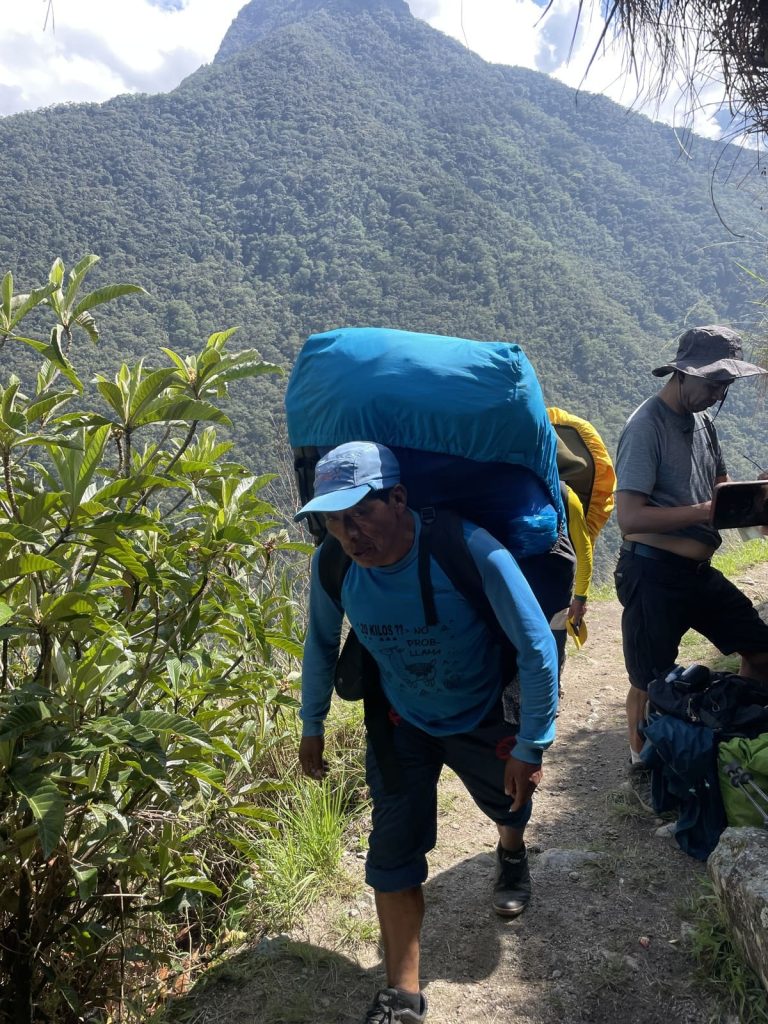
Watching porters transform a bare mountainside into a functional camp in 90 minutes ranks among the most impressive sights on the Inca Trail. These men (and increasingly women) carry loads of up to 20kg (the legal limit, though it is sometimes exceeded) while hiking faster than tourist groups, arriving at camp 2-4 hours before trekkers.
Setup timeline:
- 2:00-3:30 PM: Porters arrive at campsite
- 2:30-4:00 PM: Unload gear, stake tent locations
- 3:00-4:30 PM: Erect dining tent, set up kitchen, assemble toilet facilities
- 4:00-5:00 PM: Set up individual sleeping tents, place duffel bags
- 4:30-5:30 PM: Begin cooking dinner
- 5:00-7:00 PM: Trekkers arrive to hot tea, snacks, and prepared camp
What porters carry:
- Your personal duffel bag (7kg maximum)
- 2-person tents (2-3kg each)
- Dining tent components (shared among multiple porters)
- Kitchen equipment (stoves, propane, pots, utensils)
- All food for meals
- Sleeping pads
- Tables and chairs
- Portable toilet facilities
- Water purification equipment
Porter Ethics and Treatment
Peru’s porter law (Ley 31614, 2022):
- Maximum load: 20kg for men, 15kg for women (Ley 31614)
- Minimum age: 18 years old
- Mandatory insurance and equipment provided by operators
- Proper wages and tip expectations
Goodbye ceremony tradition: On Night 3, tour groups traditionally gather to thank porters, share snacks, and hand over the pooled tips (amounts are in the tipping guidelines below). Many porters leave camp at 9:00 PM to walk overnight back to Cusco, arriving home by morning to sleep before their next trek begins.
Important: Look for transparency about porter treatment, proper equipment, and enforced weight limits when choosing your tour. Your choice directly affects porters’ quality of life.
Temperature Reality and Staying Warm
Actual Temperature Ranges by Camp
Wayllabamba (Night 1):
- Elevation: 3,000m
- Temperature: 0-5°C (32-41°F)
- Feels like: Cold but manageable
- Wind: Light to moderate in valley
Pacaymayo (Night 2):
- Elevation: 3,600m
- Temperature: -2 to 3°C (28-37°F)
- Feels like: Genuinely cold, occasional frost
- Wind: Strong gusts through valley (wind chill factor)
Wiñay Wayna (Night 3):
- Elevation: 2,650m
- Temperature: 5-10°C (41-50°F)
- Feels like: Cool but comfortable
- Wind: Minimal (cloud forest protection)
Staying Warm: Practical Strategies
Sleeping bag optimization:
- Minimum rating: -10°C (14°F) comfort rating
- Add a silk or fleece liner (adds 5-10°F warmth)
- Sleep in base layers (not naked or fully dressed)
- Place tomorrow’s clothes inside bag to pre-warm
- Put water bottle inside to prevent freezing
Tent heating hacks:
- Hot water bottle placed inside sleeping bag (we sometimes provide these)
- Chemical hand warmers in sleeping bag foot area
- Close all tent vents during coldest hours (increases condensation but traps heat)
- Place sleeping bag directly on insulated pad (no gaps)
Pre-sleep warmup routine:
- Eat a warm, substantial dinner (internal furnace)
- Do 50 jumping jacks or jog in place before entering tent
- Drink hot coca tea or soup
- Urinate immediately before bed (full bladder drains heat)
Layering system for sleeping:
- Base layer: Merino wool or synthetic thermal underwear
- Mid layer: Fleece jacket (inside sleeping bag if needed)
- Socks: Warm wool socks (dry pair only)
- Hat: Essential at high camps (30% body heat lost through head)
- Gloves: Sometimes needed at Pacaymayo
Pro Tip: Before getting into your sleeping bag, get your body temperature up with light exercise. A warm body warms a sleeping bag much faster than a cold body. Once warm, stay in the bag; opening it lets all heat escape.
Toilet Facilities: Honest Assessment
What to Expect (Unfiltered Reality)
General conditions:
- All toilets are squat-style (porcelain or plastic)
- Toilet paper rarely provided (bring your own)
- Hand-washing facilities basic but functional
- Privacy via doors or curtains (usually secure)
- Cleanliness deteriorates throughout the day
Campsite-by-Campsite Breakdown
Wayllabamba (Most Tolerable):
- Mix of permanent structures and portable toilets
- 20-25 toilet units for ~1,500 people
- Morning condition: 6/10 (acceptable)
- Evening condition: 5/10 (deteriorating)
- Wait times: 5-10 minutes peak hours
Pacaymayo (The Challenge):
- Fewer toilets for fewer people (better ratio technically)
- Cold temperatures amplify the unpleasant experience
- Morning condition: 4/10 (cold and basic)
- Evening condition: 3/10 (challenging)
- Wait times: 10-15 minutes peak hours
- Smell factor: High
Wiñay Wayna (Best Option):
- Permanent building with flush toilets
- Actual seats (this matters by Day 3)
- Morning condition: 7/10 (relatively good)
- Evening condition: 6/10 (still best on trail)
- Wait times: 5-10 minutes peak hours
Bathroom Strategy Guide
Timing is everything:
- Best times: Before dinner rush (5:00-5:30 PM), late evening (9:00-10:00 PM), very early morning (before 5:30 AM)
- Worst times: Right after dinner (7:00-8:00 PM), right before breakfast (6:30-7:00 AM)
For women:
- Consider a female urination device (FUD) or pee funnel for nighttime
- Wide-mouth Nalgene bottle clearly labeled for pee only (controversial but practical)
- Pack extra toilet paper in waterproof bag
- Bring hand sanitizer (assume water won’t be available)
- Menstruation: Pack out all products in sealed bags (Leave No Trace)
For everyone:
- Always carry: Toilet paper, hand sanitizer, headlamp, wet wipes
- Use the buddy system for nighttime visits (safety and comfort)
- Place used toilet paper in provided bins (don’t flush even if possible)
- Accept that Day 2 will be the worst. It’s part of the experience
Health Warning: Diarrhea on the trail is miserable but manageable. Inform your guide immediately, take Imodium only if necessary (it can worsen altitude sickness), stay hydrated, and consider electrolyte supplements. We carry basic medications.
Meals and Dining Experience
What Porters Prepare with Limited Equipment
Camp meals on the Inca Trail consistently surprise first-time trekkers. Despite cooking at altitude with portable stoves and limited supplies, experienced camp cooks produce multi-course meals that rival many Cusco restaurants.
Typical dinner menu (Night 1 or 2):
- Starter: Hot soup (quinoa, chicken, or vegetable)
- Main course: Grilled chicken or trout, rice, potatoes, vegetables
- Dessert: Fresh fruit, flan, or chocolate cake
- Beverages: Coca tea, coffee, hot chocolate, water
Breakfast spread:
- Coca tea delivered to your tent as wake-up call
- Porridge or oatmeal with dried fruit
- Eggs (fried, scrambled, or omelet)
- Bread, jam, butter, cheese
- Fresh fruit
- Coffee and juice
Dietary accommodations:
- Vegetarian: Well-accommodated (inform us at booking)
- Vegan: Possible but requires advance notice
- Gluten-free: Challenging but manageable with planning
- Allergies: Must be communicated clearly before trek
The Dining Tent Social Hub
Atmosphere:
- Temperature: Cool to cold despite heating attempts
- Lighting: Battery lanterns (dim but functional)
- Seating: Benches or chairs at folding tables
- Capacity: Usually your entire group (12-16 people)
- Duration: 60-90 minutes per meal
Social dynamics:
- Meals become the social center of your day
- Bonds form quickly over shared experiences
- Card games and conversation fill evening hours
- Guide briefings happen during or after dinner
- Tips about next day’s hiking shared over tea
Pro Tip: Eat slowly at altitude, since your digestion is already compromised. Eat enough to fuel tomorrow’s hike but don’t overstuff yourself (affects sleep quality). Coca tea with every meal helps with altitude acclimatization.
Sleep Quality and Optimization
Realistic Expectations by Night
Night 1 (Wayllabamba): 5-6/10 quality
- Challenges: Unfamiliar ground, new sounds, moderate altitude
- Duration: 8-9 hours in tent, 6-7 hours actual sleep
- Main disruptor: Hip/shoulder pressure points, river sounds
Night 2 (Pacaymayo): 3-5/10 quality
- Challenges: Peak altitude, cold, muscle soreness, frequent urination
- Duration: 8-9 hours in tent, 4-6 hours actual sleep
- Main disruptor: Altitude effects, bathroom trips, discomfort
Night 3 (Wiñay Wayna): 4/10 quality
- Challenges: Early wake-up, excitement, noise
- Duration: 6-7 hours in tent, 4-5 hours actual sleep
- Main disruptor: Anticipation, short sleep window
Sleep Optimization Strategies
Sleeping pad matters:
- Foam pad (included): 2-3cm thick, minimal cushioning
- Self-inflating pad (some tours): 3-5cm thick, much better
- Upgrade option: Rent inflatable pad in Cusco ($15-25) for significant comfort improvement
Position optimization:
- Side sleepers: Place extra clothes under hip for cushioning
- Back sleepers: Bend knees slightly to relieve lower back pressure
- Stomach sleepers: You’re going to have a rough time (hip bones on hard ground)
Altitude sleep tips:
- Avoid alcohol (exacerbates altitude effects and dehydration)
- Consider Diamox if prescribed (improves oxygenation during sleep)
- Sleep with head slightly elevated (reduces altitude symptoms)
- Don’t worry about perfect sleep. Everyone struggles.
Mental preparation:
- Accept that sleep will be disrupted (removes anxiety about it)
- Bring earplugs (other groups can be loud)
- Read or journal by headlamp if you can’t sleep
- Rest with eyes closed still provides recovery
Important: If you experience severe headache, nausea, or confusion during the night, inform your guide immediately. Severe altitude sickness requires descent, and guides have protocols for emergency evacuations.
Social Campsite Culture
Group Bonding Through Shared Adversity
Something shifts when 12-16 strangers spend three nights camping at altitude after grueling hiking days. The Inca Trail creates instant camaraderie through shared suffering, triumph, and vulnerability.
Typical group composition:
- Ages: 20s-60s (most groups are mixed ages)
- Nationalities: International mix (English usually common language)
- Fitness levels: Wide range (don’t assume everyone is an athlete)
- Solo travelers: 30-40% of most groups
- Couples: 40-50% of most groups
- Small groups: 10-20% (families or friends)
Social progression:
- Day 1 evening: Introductions, small talk, feeling each other out
- Day 2 evening: Real conversations, shared struggles from hardest day
- Day 3 evening: Deep bonding, inside jokes, genuine friendships forming
- Day 4: Tearful goodbyes, social media exchanges, promises to stay in touch
Camp etiquette and dynamics:
- Respect quiet hours (usually 10:00 PM onward)
- Share supplies if someone forgot something
- Help tentmates with zippers, packing, wake-ups
- Join card games or conversation if invited (social connection helps altitude adjustment)
- Respect those who need solitude (some people recharge alone)
Pro Tip: Bring a deck of cards or small travel game to share during evening hours. Post-dinner time stretches long when it’s dark at 7:30 PM and you can’t sleep until 9:00-10:00 PM. Games become entertainment and bonding tools.
The Porter Goodbye Ceremony
Night 3 tradition: On the final night, groups gather for a special ceremony to thank porters for four days of carrying, cooking and setting up camp. This emotional ritual typically includes:
- Porters introducing themselves (you barely saw them all trek)
- Group speeches thanking porters for their service
- Tipping envelope distribution (coordinate with guide)
- Snack and coca tea sharing
- Sometimes singing or traditional music
- Many tears (it’s surprisingly emotional)
Tipping guidelines:
- Total: US$40-80 per trekker for the whole crew (about S/140-280)
- Pool it with your group and give it to the crew leader
- The crew leader shares it by role, with the largest share for the porters
Adjust the amount for the service you received. Collecting as a group is less awkward than tipping person by person.
Gear Storage and Security
What Happens to Your Belongings
Duffel bag system:
- Porters carry your 7kg duffel bag (separate from your daypack)
- Duffel arrives at camp before you do
- Placed inside or outside your tent (depends on the trek)
- Contains sleeping bag, clothes, and non-hiking essentials
Security reality:
- Theft is extremely rare on Inca Trail (tight-knit porter community)
- Leave valuables in Cusco hotel safe (you don’t need them)
- Keep important items in your daypack (passport, money, phone, camera)
- Tent zippers provide privacy but not security
Storage in dining tent:
- We sometimes provide charging stations (inconsistent power)
- Communal gear area for boots, trekking poles
- Lost and found for items left behind
Tent organization tips:
- Keep tomorrow’s clothes in stuff sack for easy access
- Store headlamp, toilet paper, and snacks near tent door
- Place wet items in vestibule (don’t bring moisture into sleeping area)
- Put electronics in sleeping bag overnight (prevents battery drain from cold)
- Hang wet socks and clothes inside tent if possible (body heat dries them)
Warning: Don’t leave hiking boots outside overnight. Frost can make them uncomfortably stiff by morning. Store them in tent vestibule or bring them inside (smelly but practical).
Wildlife Encounters at Camp
What You Might See (and Hear)
Common campsite wildlife:
Birds:
- Andean gulls (scavengers around camps)
- Spectacled bears (extremely rare, more active at night)
- Hummingbirds (Wiñay Wayna cloud forest)
- Andean flickers and mountain caracaras
Mammals:
- Dogs from nearby villages (Wayllabamba)
- Mice or rats (rare but possible, attracted to food)
- Viscachas (chinchilla-like rodents on rocky outcrops)
Insects:
- Minimal at high camps (too cold for most insects)
- Sand flies possible at Wiñay Wayna (bring repellent)
- No mosquitoes at high elevation
Livestock:
- Llamas and alpacas (occasionally near Wayllabamba)
- Chickens and roosters (wake-up calls at 4:30 AM)
Safety Considerations
Food storage:
- Never eat in your tent (attracts rodents)
- Porter kitchens handle all food storage
- Dispose of trash in designated bags
- Don’t feed wildlife or camp dogs
Encounters:
- Dogs: Usually friendly but keep distance
- Rodents: Rare but possible; seal all food completely
- Insects: Minimal concern at altitude
Pro Tip: Expect the 4:30 AM rooster chorus at Wayllabamba. Earplugs help, but honestly, most trekkers find it charming (in retrospect, less so at 4:30 AM when you’re trying to sleep).
Conclusion
Inca Trail camping is not glamorous. The toilets are basic, temperatures drop below freezing, sleeping pads are thin, and you’ll go four days without a shower. But those three nights under Andean stars, sharing meals and stories with strangers who become friends, watching porters transform mountainsides into temporary villages, and falling asleep knowing you’re hiking one of the world’s most famous trails. That’s what stays with you long after the muscle soreness fades.
Key Takeaways:
- Three distinct nights: Wayllabamba (adjustment), Pacaymayo (challenge), Wiñay Wayna (celebration)
- Temperature reality: Pack for -2°C at high camp. This isn’t negotiable.
- Facilities are basic: Squat toilets, no showers, cold washing water. Accept and adapt.
- Porters make camp possible: They arrive early and set up everything
- Social bonding matters: Shared adversity creates genuine connections
- Sleep will be disrupted: Altitude, cold, and excitement guarantee imperfect rest
- It’s worth every discomfort: The camps are as much a part of the trek as the trail
Next, read about training requirements for the trek, explore detailed packing lists, or see what the trek really costs for your budget and preferences.
Related Articles
- Inca Trail Itinerary Day by Day: 42km, Hour by Hour
- Inca Trail Packing List 2026: 27 Essentials Under 7kg
- Best Time to Hike the Inca Trail Isn’t Always June
- Inca Trail Cost 2026: $600 to $4,000, Broken Down by Tier
- Inca Trail Permit Availability
- Inca Trail Training Plan: 12 Weeks to Dead Woman’s Pass
- Is the Inca Trail Safe? Altitude, Injuries, Evacuation & Insurance
- The Complete Inca Trail Guide
- Inca Trail 4 Days: Classic Trek to Machu Picchu
- Animals and Birds on the Inca Trail: 400+ Species Guide
About This Guide: This camping guide was last updated on August 4, 2026, and incorporates insights from over 30 Inca Trail completions, interviews with licensed guides and porters, and feedback from hundreds of trekkers. For official trail regulations, consult the Peruvian Ministry of Culture.